

Custom Plush Sampling and Approval
Use a custom plush sample to check shape, fabric, decoration, color, filling, seams, labels, and packing before bulk production.
- ✓ Sample time usually 7-10 days
- ✓ Pattern, fabric, decoration, filling, and labels
- ✓ Approval before bulk production
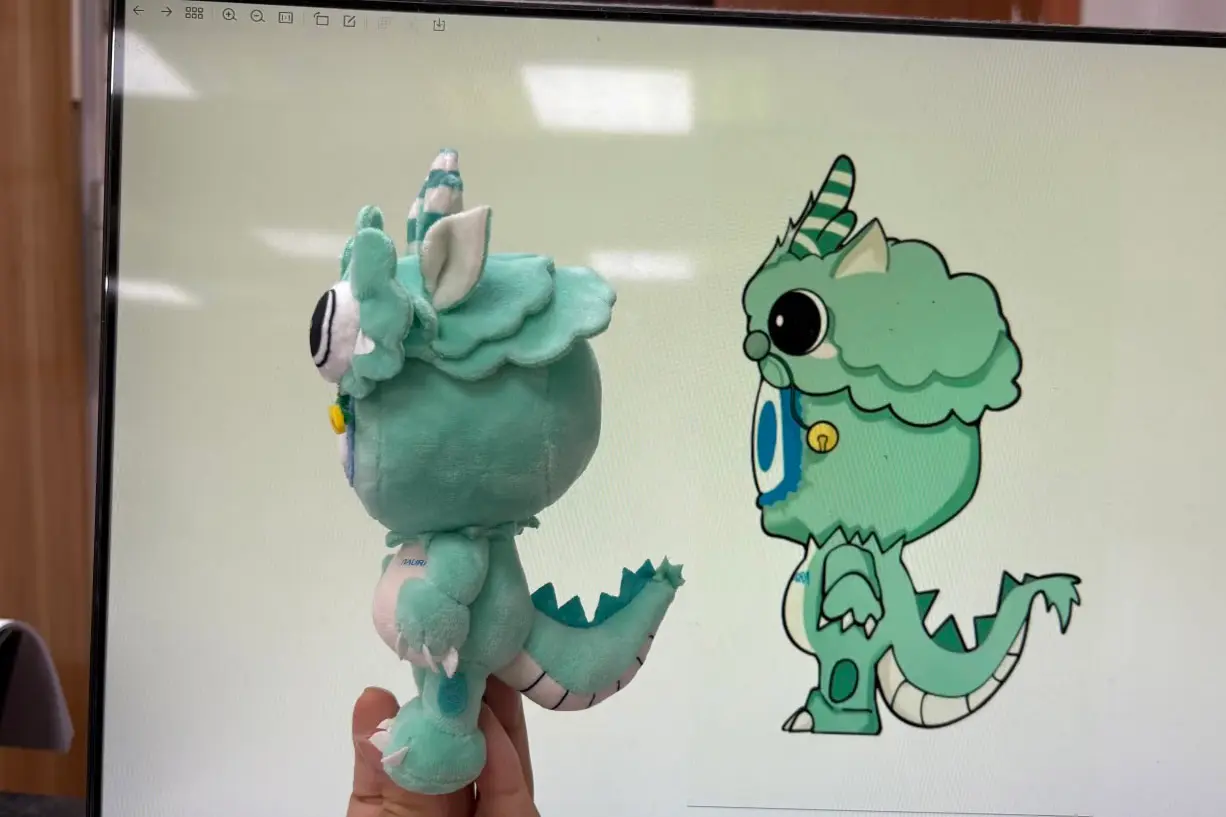
Use the Sample as the Bulk Reference
The sample shows how artwork, pattern, fabric, decoration, filling, seams, labels, and packing work together.
Physical Reference
Check: shape, fabric, filling, seams, and details before approval.
Practical Adjustments
Adjust: thin lines, tiny letters, accessories, sharp shapes, or gradients by enlarging, simplifying, printing, embroidering, or using packaging.
Clear Revisions
Mark: exact changes before approval and bulk production planning.
Sample Development Steps
Artwork Review
Check front, side, and back views, size, face or logo, clothing, accessories, packing, market, and age group.
Pattern Making
Turn the design into pieces that can be cut, sewn, filled, shaped, and packed.
Fabric Choice
Check softness, pile length and direction, color, decoration compatibility, and availability.
Embroidery and Print
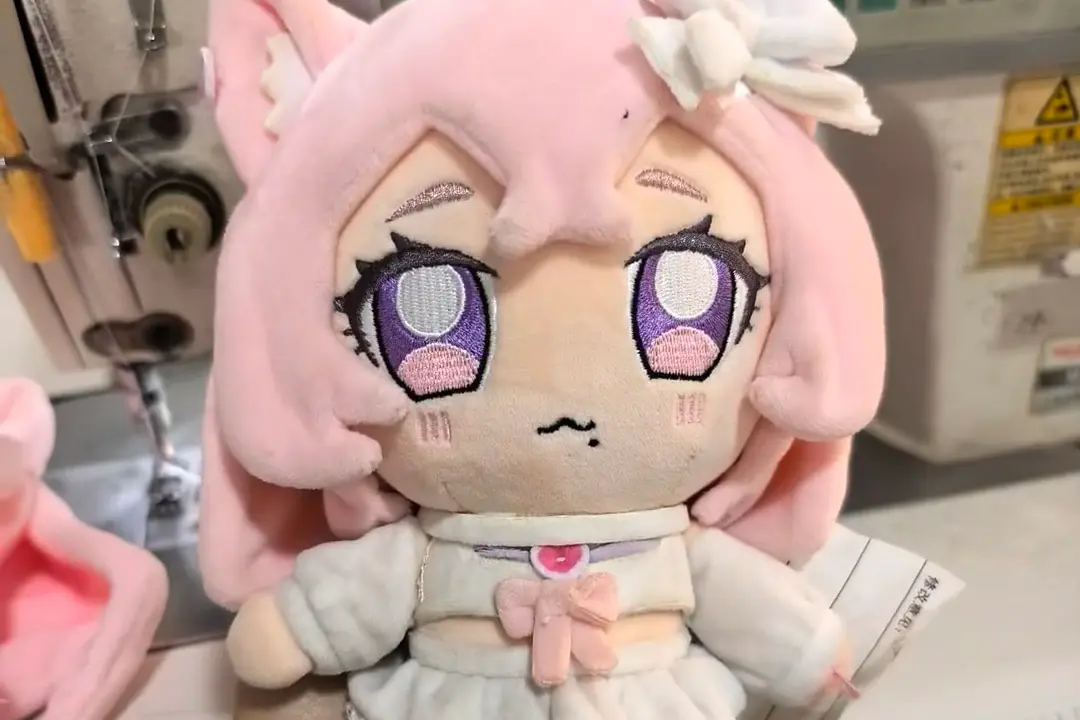
Check eyes, mouth, logos, stitch density, thread color, print clarity, symmetry, and placement after filling.
Filling Feel
Check PP cotton amount, firmness, corners, limbs, surface, rebound, and shape after packing.
Seam and Shape
Review all views, seams, loose threads, attachments, labels, height, width, and size tolerance.
Revision Notes
Mark exact changes to shape, eyes, mouth, fabric, filling, ears, labels, tags, or packing pressure.
Sample Approval
Approve shape, size, fabric, color, decoration, filling, seams, accessories, labels, packing, tolerance, and documents.
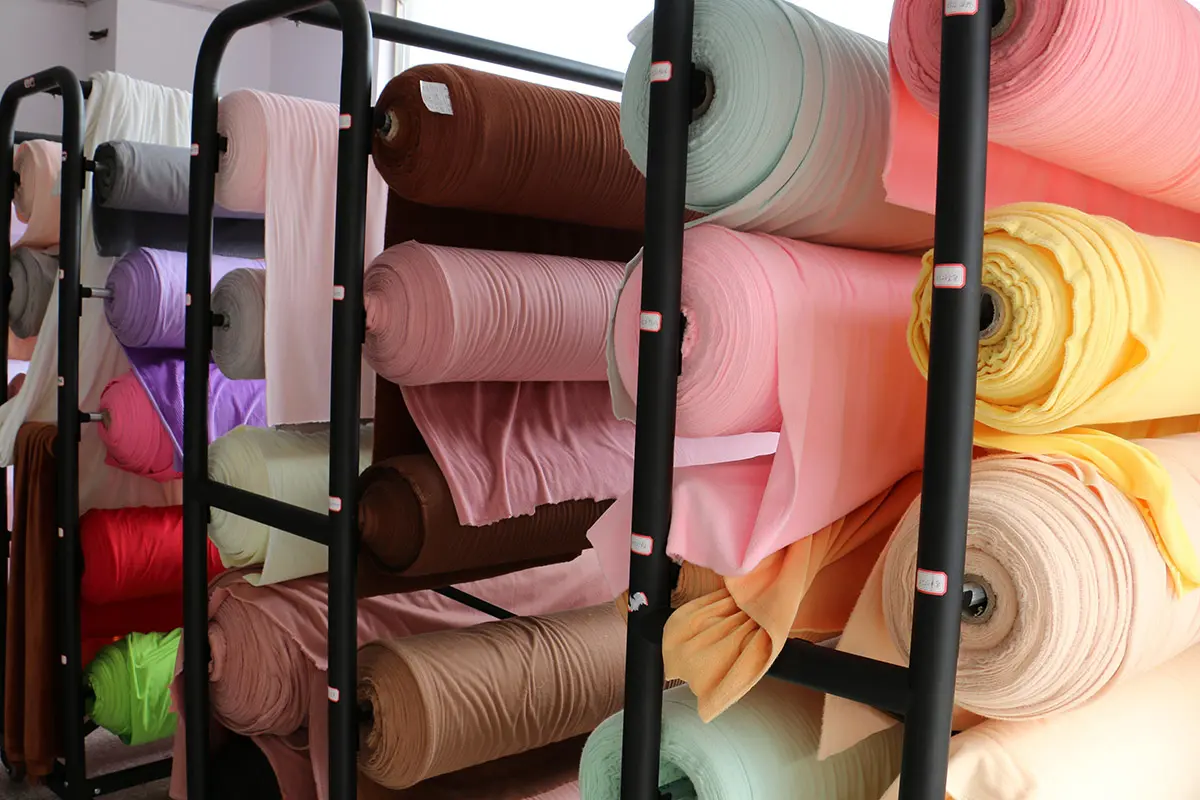
Set Shape, Pattern, and Fabric First
- Design: check shape, proportion, details, size, use, and construction limits.
- Pattern: create repeatable pieces for cutting, sewing, filling, and shaping.
- Fabric: affects softness, color, detail visibility, and cost.
- Color: screens, printed artwork, embroidery thread, and plush fabric may differ.
Review Decoration, Filling, and Seams
- Decoration: check eyes, mouth, eyebrows, logos, symbols, clothing lines, and product details.
- Filling: affects hand feel, shape, weight, and presentation.
- Balance: too little looks loose; too much can distort the shape or feel stiff.
- Notes: mark exact changes to eye position, mouth embroidery, foot filling, or tag position.
What to Check Before Approval
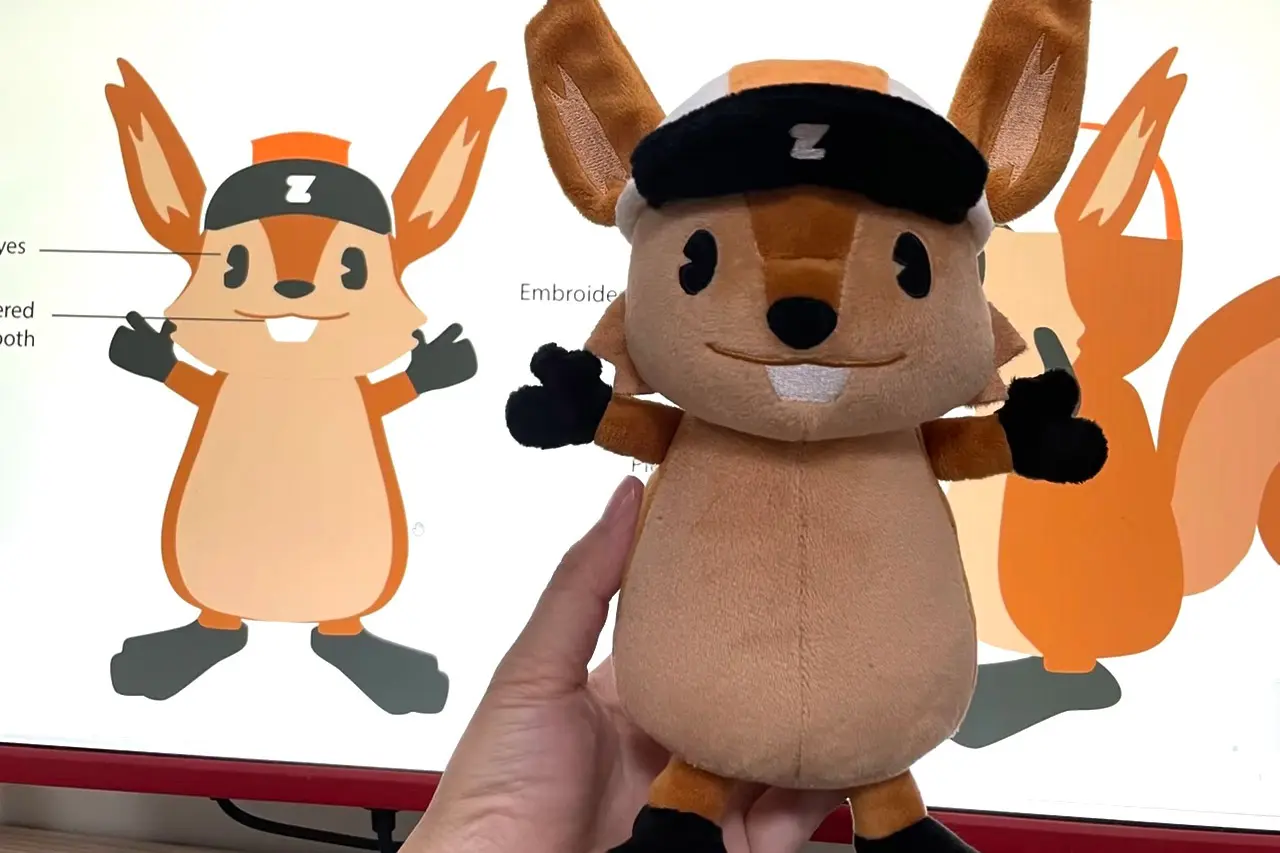
Shape and Size
Overall shape, proportion, dimensions, head-to-body ratio, limbs, ears, tails, and realistic tolerance.
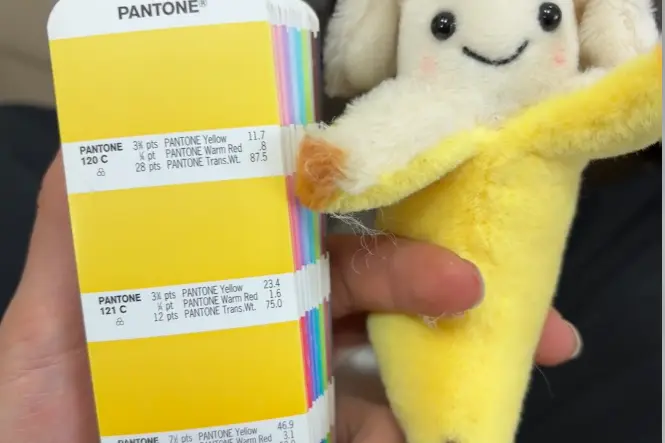
Fabric and Details
Fabric feel, color, pile direction, decoration, expression, logo readability, symmetry, and placement.
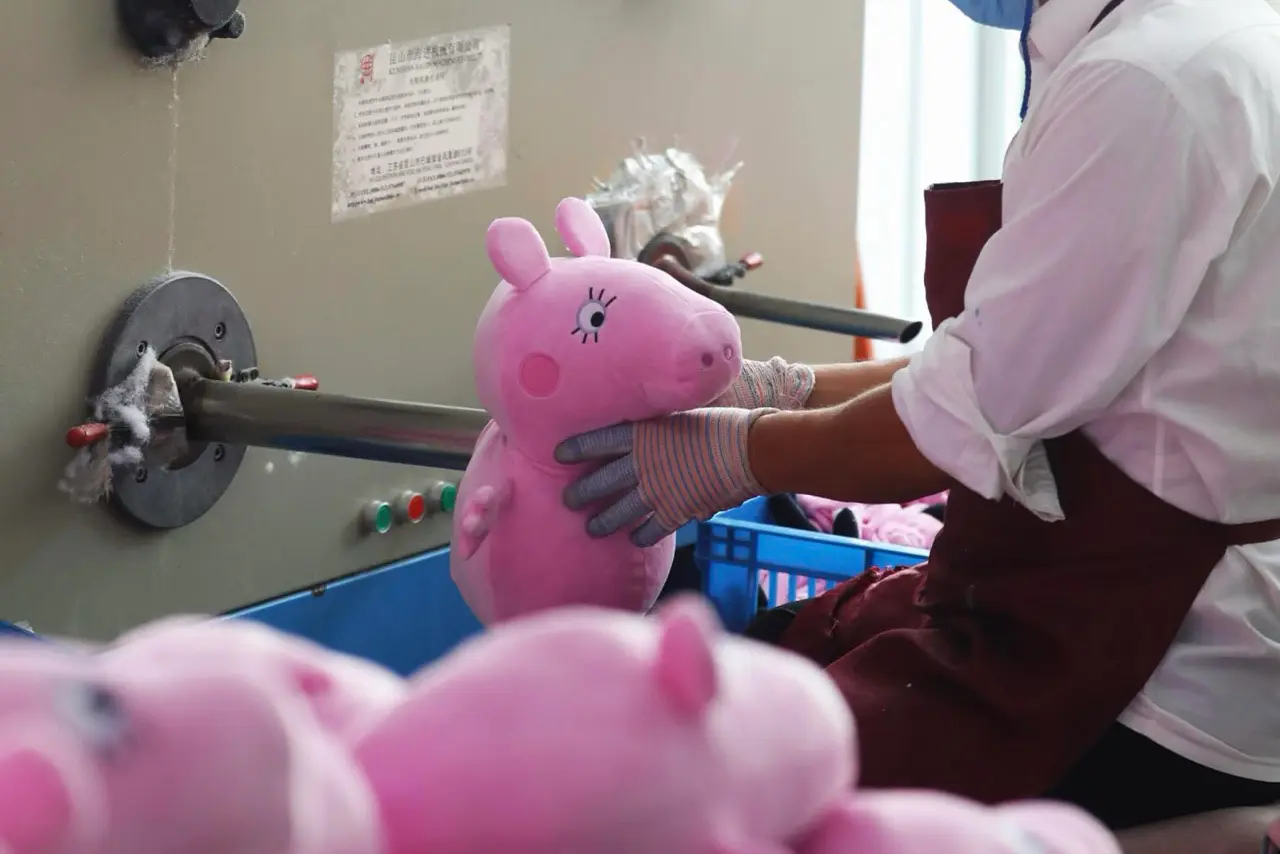
Filling and Labels
Filling, rebound, seams, loose threads, attachments, labels, and packing direction.
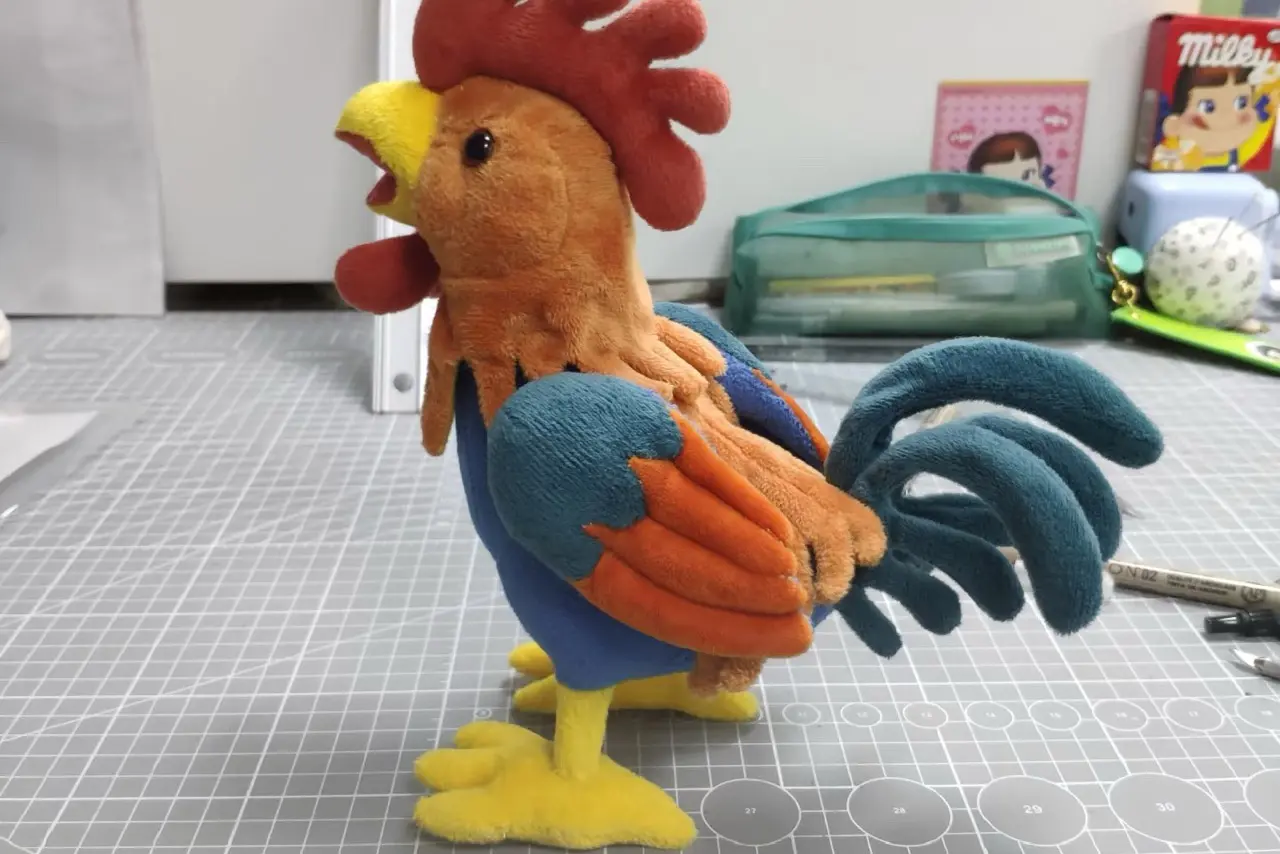
Approval Notes
Confirm all details before bulk. Later changes may affect timing, materials, packaging, and cost.
What Changes Sample Timing?
- Design complexity
- Product size
- Fabric availability
- Embroidery workload
- Printing requirements
- Accessories
- Packaging sample needs
- Number of revisions
- Peak season and buyer response time
Set Market and Document Needs During Sampling
Discuss early: labels and documents for regulated markets, child-related use, retail channels, or customer audits.
Review: market, age group, use, materials, accessories, labels, warnings, importer details, packaging, and testing needs.
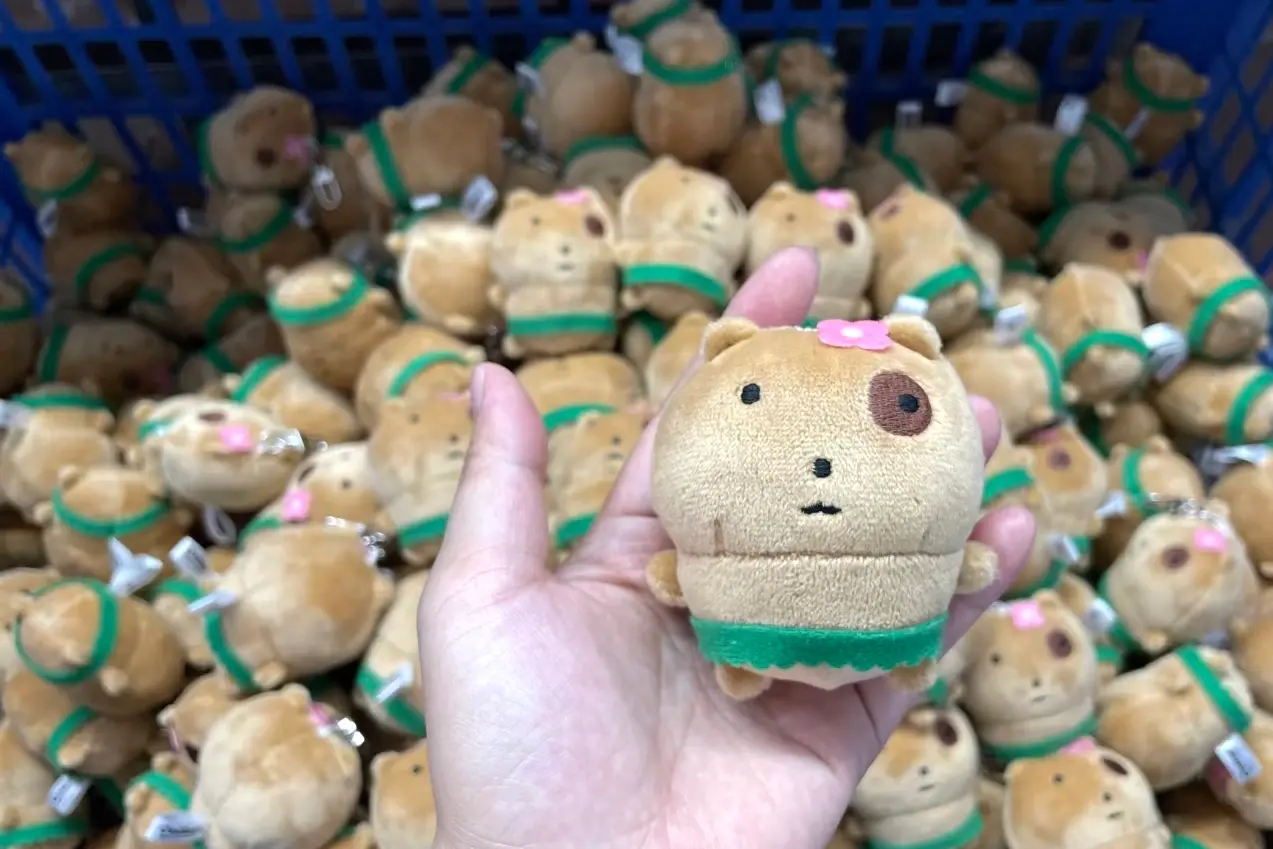
Sampling References
Factory: self-owned plush toy factory in Yangzhou, China, founded in 2006.
- Scope: artwork, fabric, pattern, embroidery or printing, sewing, filling, revisions, and approval
- MOQ: 100 pcs
- Sample: usually 7-10 days after main details are confirmed
- Bulk: usually 15-25 days after sample approval
- Options: 2D / 3D design-to-sample, embroidery, printing, woven labels, hang tags, and custom packaging
- Reference: the approved sample guides bulk production and QC
Send Your Sample Brief
Include artwork, size, product type, quantity, must-keep details, fabric, packaging, market, and destination.
Start Sample Review