


Custom Anime Plush and Chibi Collectibles
Develop custom anime plush from approved artwork with chibi proportions, embroidered eyes, layered hair, outfits, and collectible packaging.
- ✓ Chibi ratio, eyes, hair, and outfit review
- ✓ Tags, retail packs, and blind boxes
- ✓ MOQ from 100 pcs
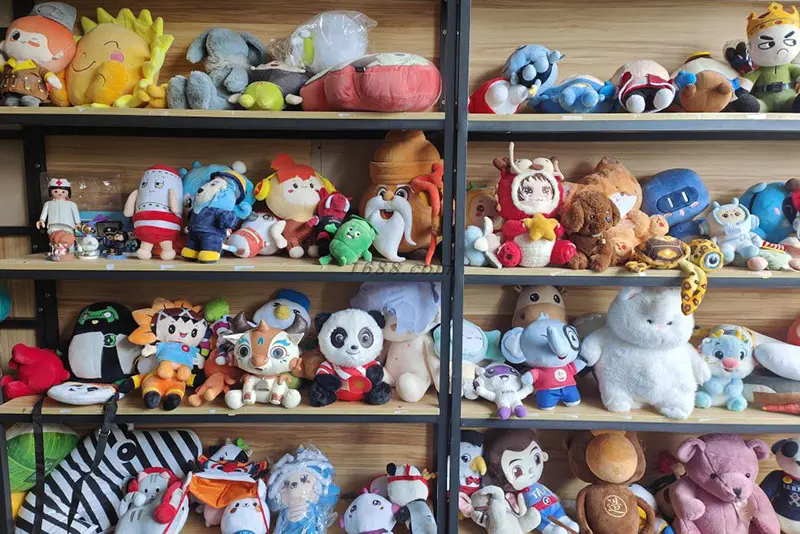
Keep Anime Features Clear in Plush
Large eyes, a small mouth, layered hair, costumes, accessories, and silhouette often define the character.
- Identity: retain the expression, body ratio, hair shape, and outfit.
- Construction: translate thin artwork into practical seams, embroidery, printing, and filling.
- Approval: review the character and collectible presentation before sampling.
Anime Plush for Collectibles, Retail, and Fan Goods
Choose the format by the character style, product series, sales channel, and packaging plan.

Chibi Plush
Large head, compact body, simplified hands, and balanced proportions for display.

Anime Characters
For artwork, model sheets, sketches, or approved character concepts.

Creator Merchandise
Authorized plush for creator drops, conventions, event shops, and online stores.

Retail Collectibles
Plush sets with hang tags, labels, barcode planning, and consistent sample references.

Blind Boxes
Character count, assortment logic, box artwork, labels, and carton marks should be planned early.

Game and Animation Plush
For game characters, animation projects, and creator goods.
Set the Chibi Ratio Before Small Details
- Proportion: use a larger head, smaller body, simplified hands, and compact shape for recognizable chibi display.
- Pose: confirm sitting or standing before fixing the body pattern.
- Brief: confirm size, head-to-body ratio, face, eyes, hair volume, side view, outfit layers, accessories, and packaging before sampling.
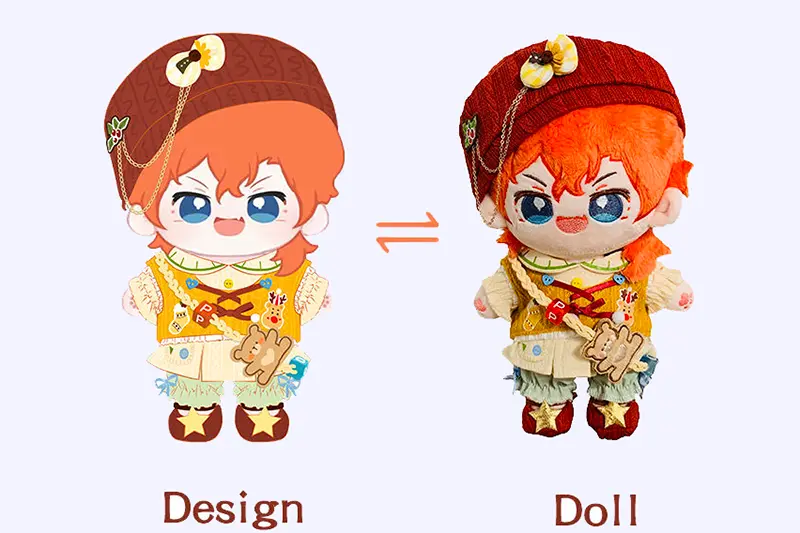
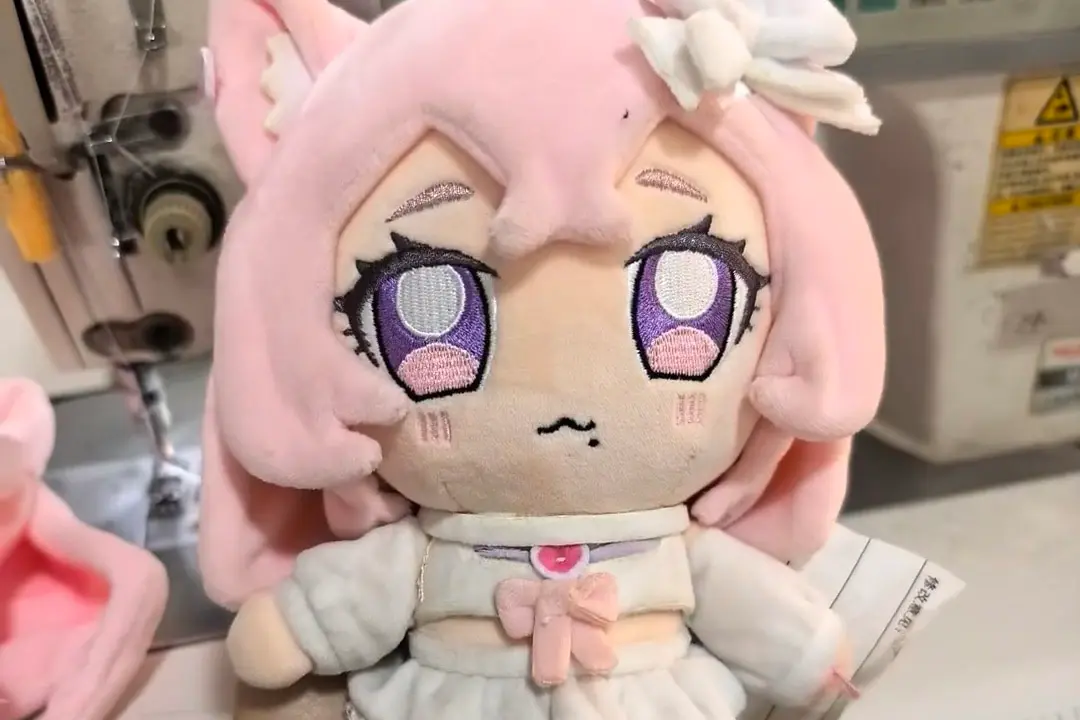
Build the Expression Around the Eyes
- Method: embroidery is usually more durable and consistent than tiny printed lines.
- Eye design: review size, highlights, lashes, color blocks, symmetry, stitch density, and spacing.
- Expression: check how the eyes relate to the mouth and hair at the finished size.
Turn Anime Hair Into Sewable Layers
- Shapes: spikes, layered bangs, side locks, ponytails, twin tails, and color gradients.
- Pattern: adjust sharp or overlapping forms for seams, filling, and packing.
- Fabric: choose short plush, minky, velboa, faux fur, or another surface by style, size, budget, and production needs.
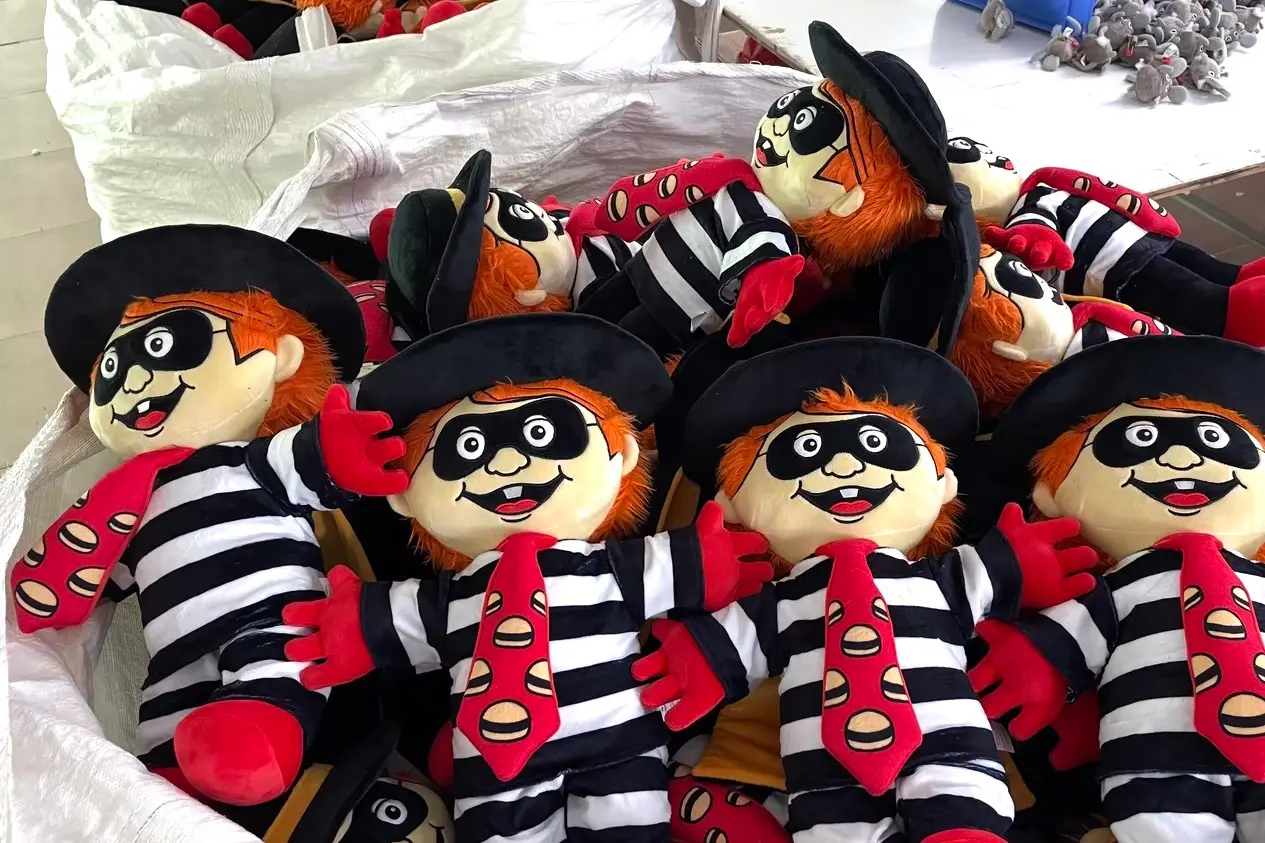
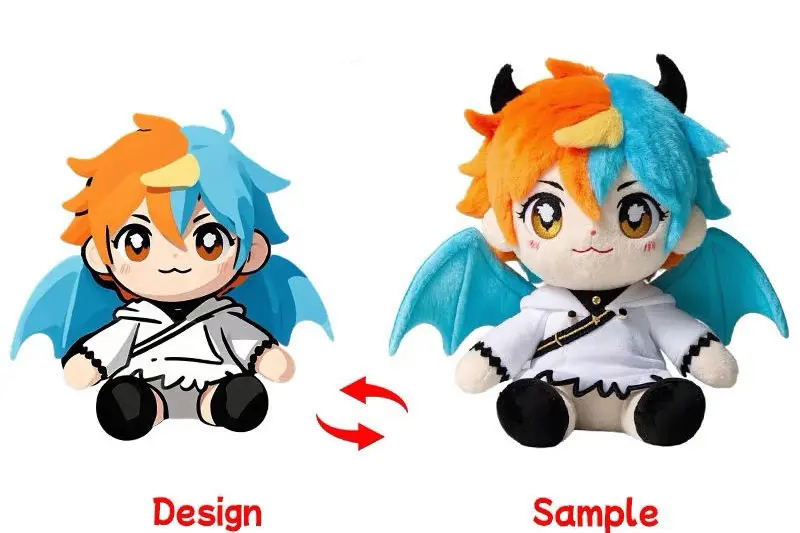
Simplify Costume Details for Sewing
- Possible details: jackets, collars, belts, bows, badges, printed symbols, skirt layers, boots, gloves, armor, and props.
- Construction: not every artwork detail needs a separate sewn piece.
- Sample: decide which features stay dimensional and which can be simplified for consistent production.
Decide Which Accessories Stay on the Plush
- Identity: weapons, charms, ribbons, horns, badges, glasses, buttons, and detachable parts may define the character.
- Impact: small parts can affect sampling time, testing, packaging, and cost.
- Options: sew, embroider, print, enlarge, simplify, or move the detail to a hang tag or packaging design.
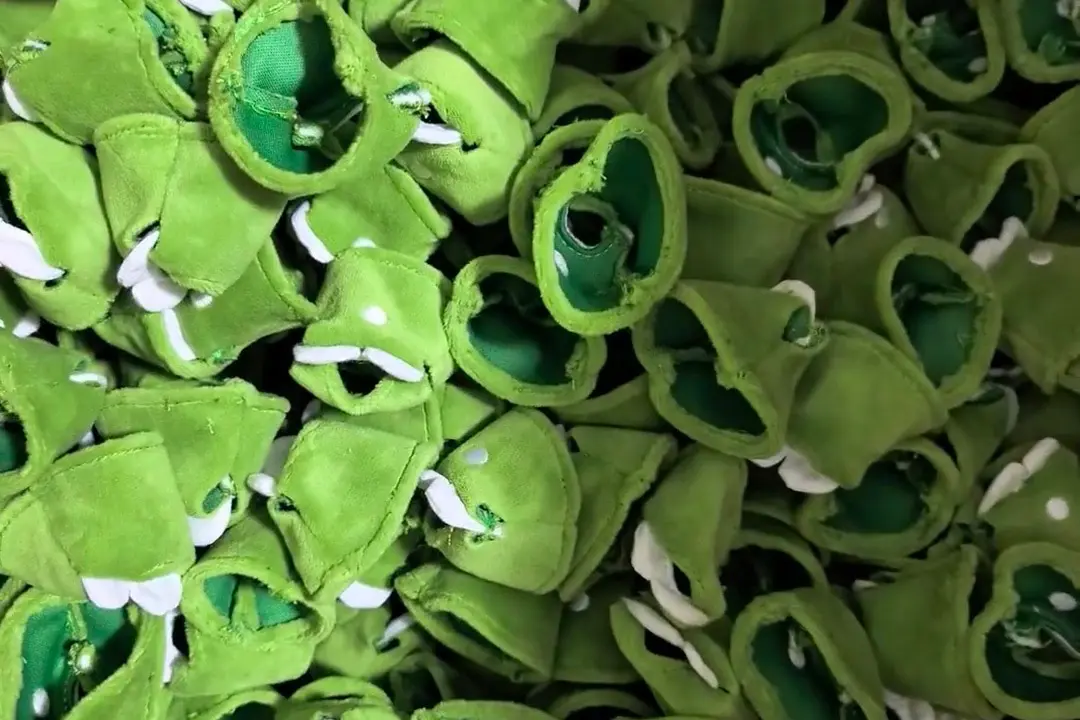
Plan Tags, Retail Packs, and Blind Boxes
Match the packaging to fan goods, retail shelves, conventions, online stores, or collectible series.
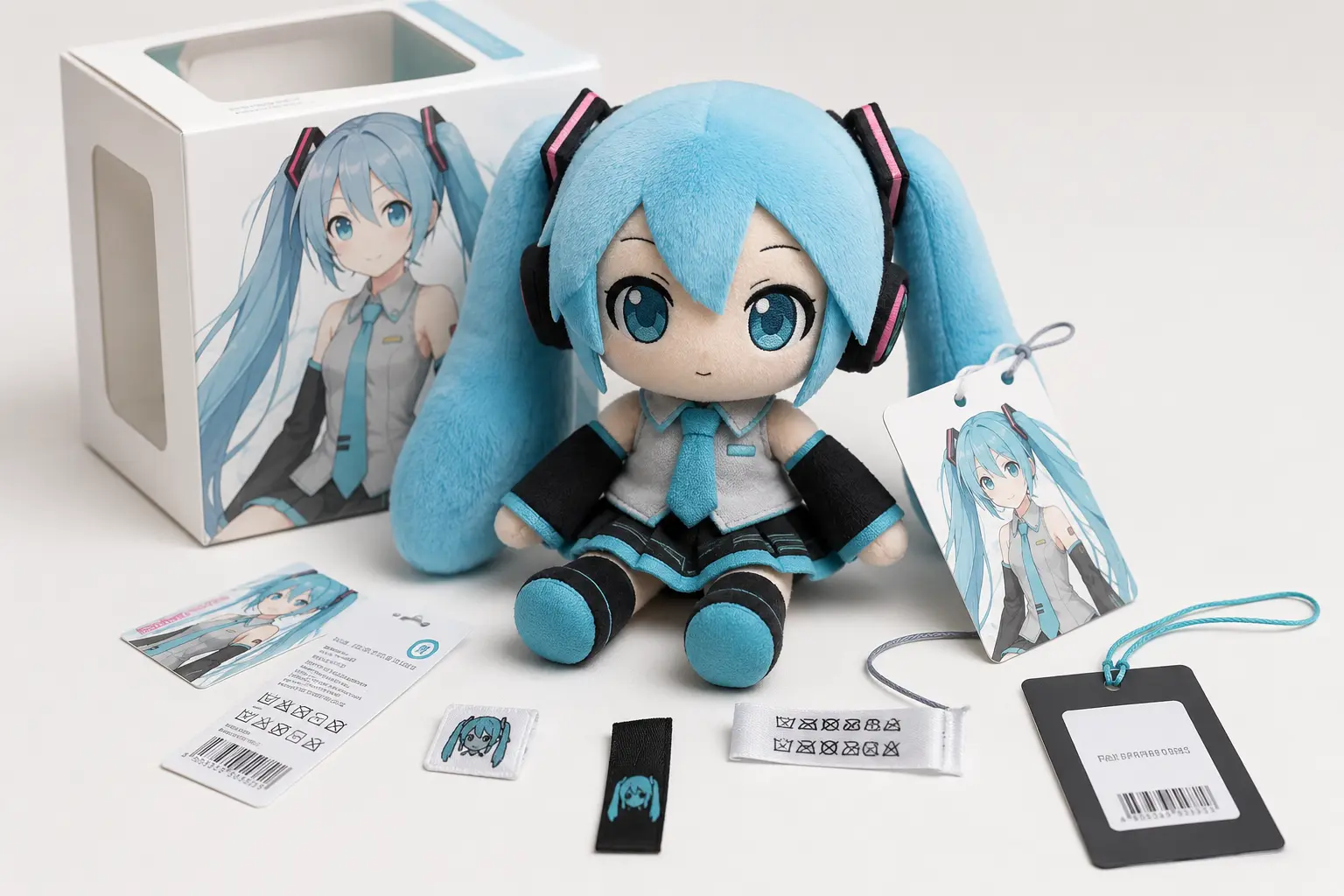
Tags and Labels
Hang tags, woven labels, wash labels, barcode labels, and SKU labels support brand and retail needs.
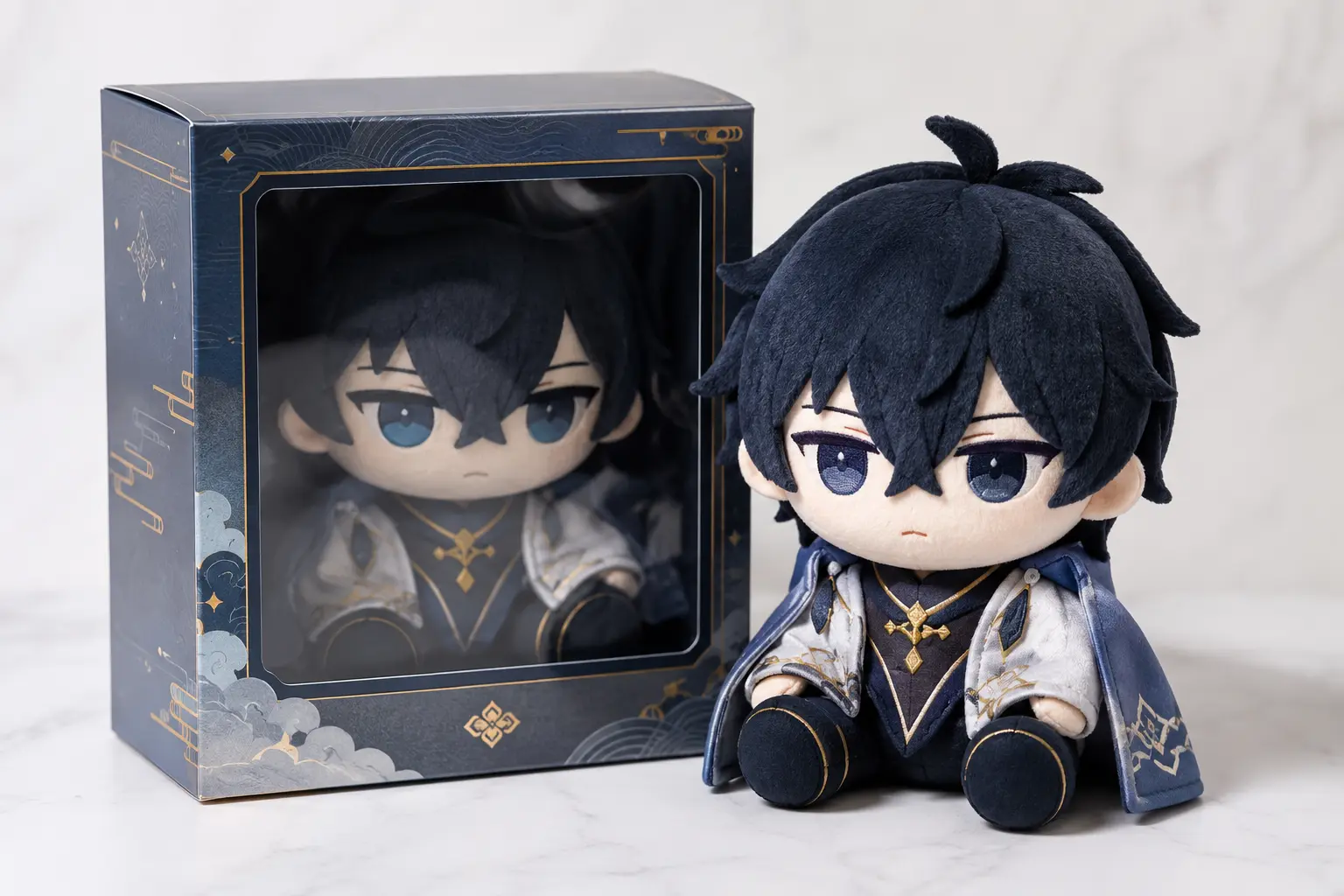
Retail Packaging
OPP bags, gift boxes, retail packaging, and carton labels should be confirmed before bulk production.
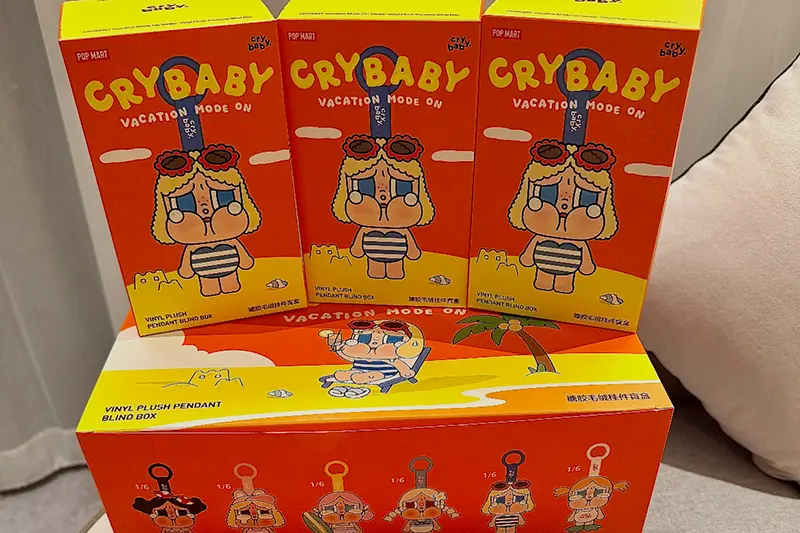
Blind Boxes
Confirm character count, assortment logic, box artwork, barcode needs, carton marks, and individual bags early.
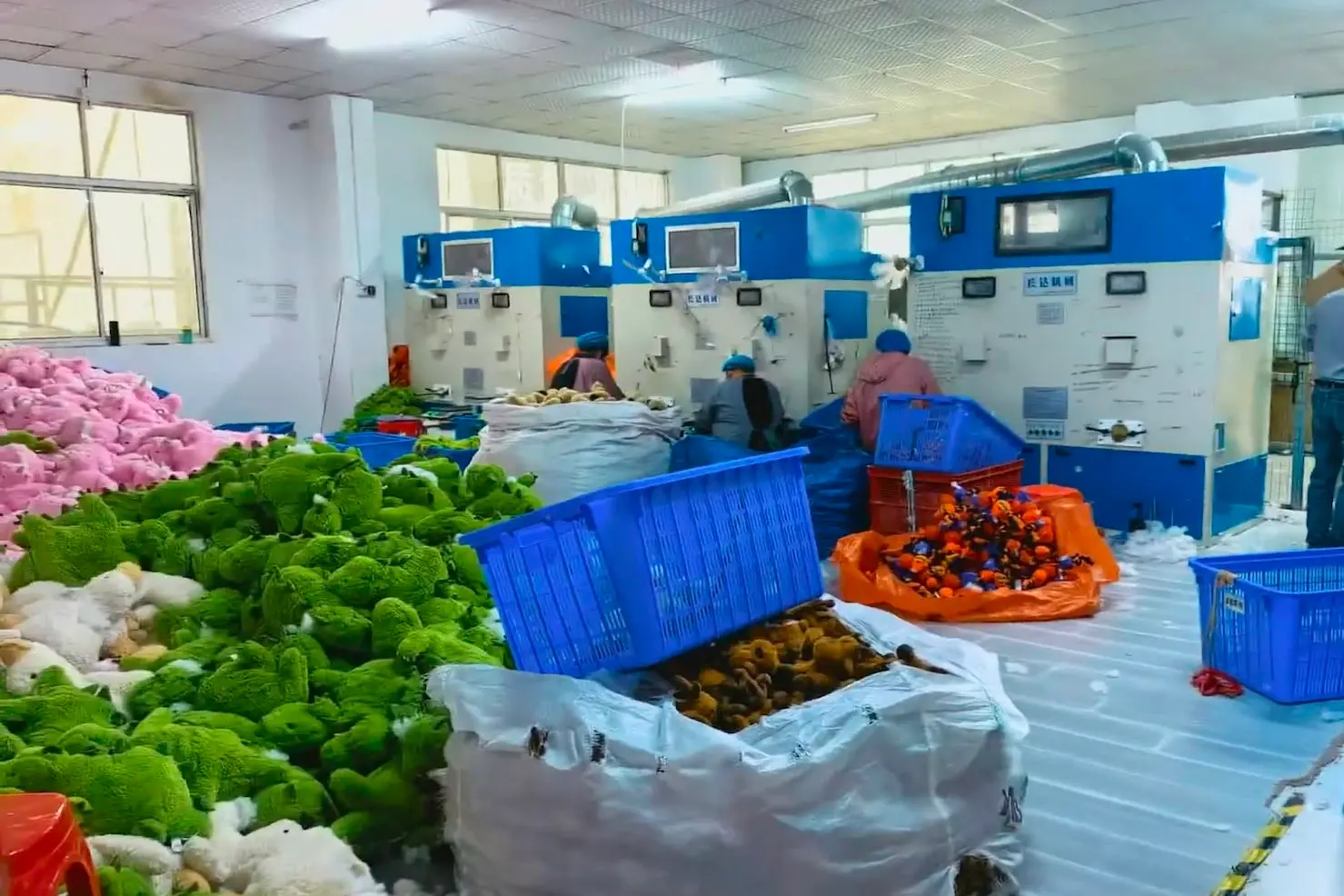
Check Anime Details Against the Sample
Confirm eyes, hair layers, costume colors, printed panels, and small accessories before production starts.
View FactorySend Your Anime Plush Brief
Include front and side views, size, chibi ratio, eye details, hair shape, outfit notes, and packaging needs for construction review.
Send Brief