

Bulk Plush Production Process
After sample approval, prepare materials, cut, decorate, sew, fill, inspect, and pack custom plush against the approved reference.
- ✓ Production follows the approved sample
- ✓ Cutting, sewing, filling, and packing
- ✓ Bulk production usually 15-25 days
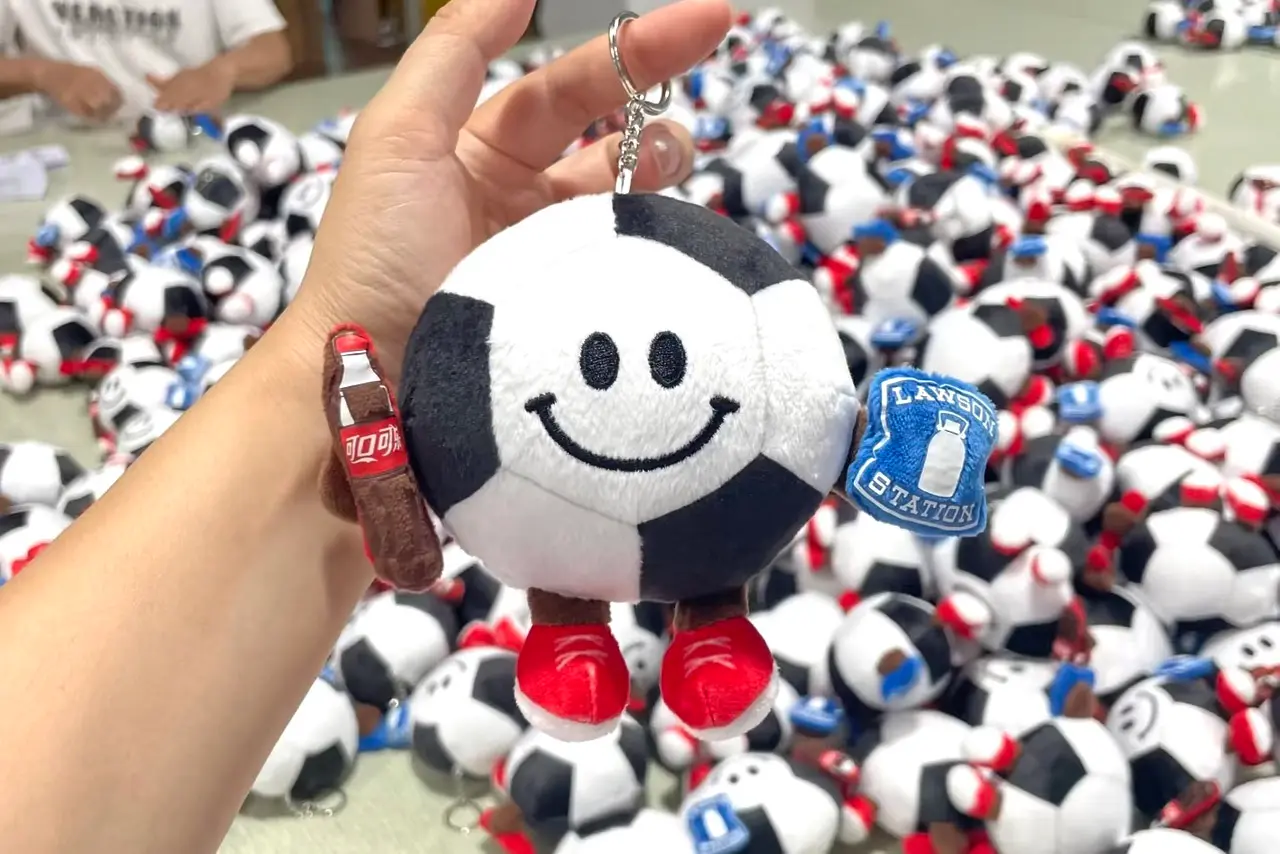
Match Bulk Goods to the Approved Sample
Use the approved shape, size, fabric, decoration, filling, seams, labels, and packing as the production reference.
Production Reference
Rule: bulk production follows the approved sample; it is not a new design stage.
Controlled Consistency
Control: use practical checks and realistic tolerances for soft sewn products.
Packing Checks
Confirm: packing before production finishes, especially for retail, events, Amazon, or Europe.
Bulk Production Steps
Confirm Details
Confirm the sample, size, fabric, files, filling, eyes, accessories, labels, packing, cartons, quantity, and destination.
Prepare Materials
Prepare fabric, PP cotton, thread, printed parts, eyes, accessories, labels, tags, bags, boxes, and cartons.
Cut Fabric
Check pattern version, fabric and pile direction, color placement, panel size, quantity, and sewing marks.
Embroidery or Printing
Follow approved eyes, mouth, logo, colors, stitch density, print, placement, symmetry, and surface details.
Sewing
Join panels; check seams, strength, alignment, limbs, accessories, and label insertion.
Stuffing
Check PP cotton amount, firmness, limbs, corners, surface, shape support, and weight consistency.
Finishing
Close seams, trim threads, shape the plush, check accessories, attach tags, and prepare packing.
Inspection
Compare shape, size, fabric, decoration, filling, seams, accessories, labels, and package fit with the sample.
Packing Checks
Bags, tags, boxes, barcodes, cartons, compression, and warehouse needs.
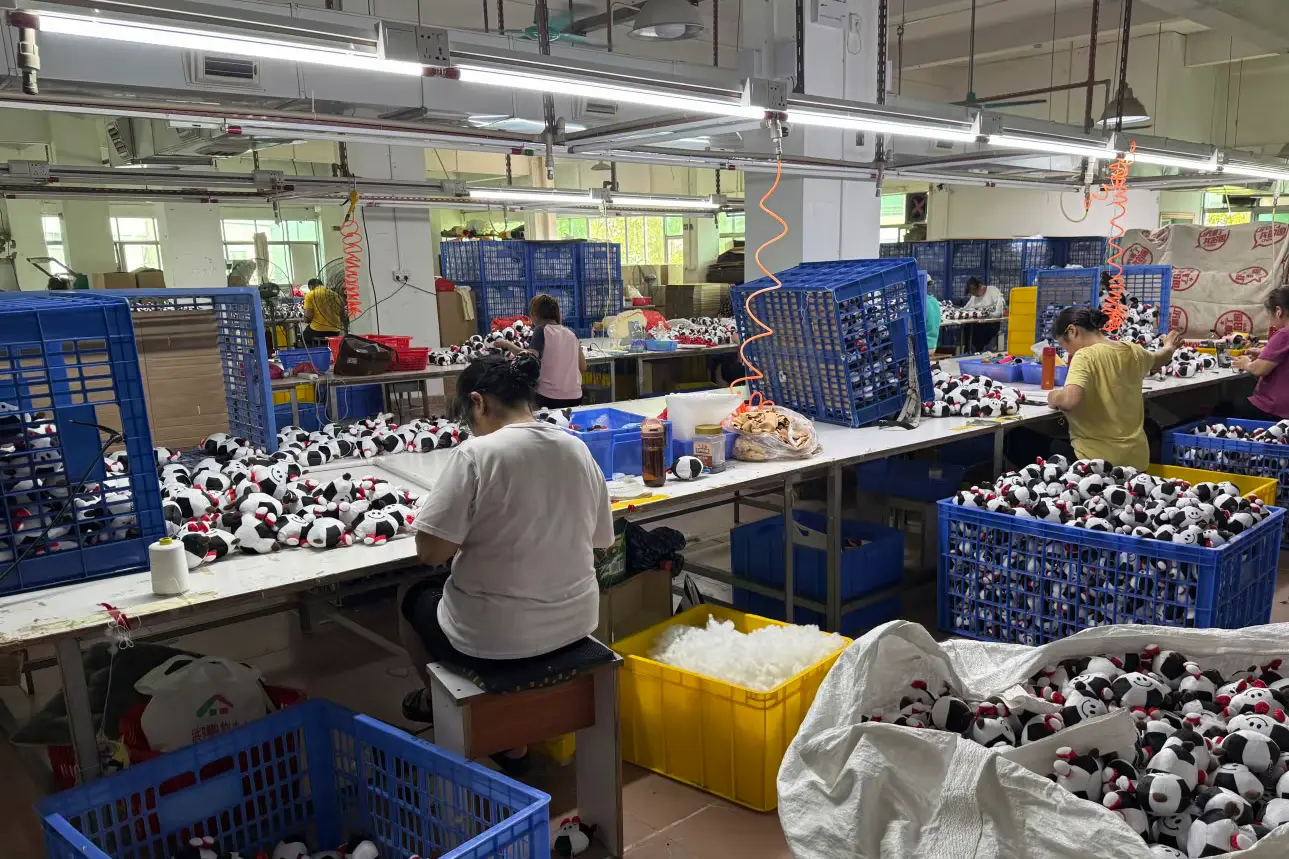
Lock Materials and Cutting Details
- Approval: set the sample and production details before bulk starts.
- Changes: after approval may affect timing, cost, materials, and packing.
- Colors: check fabric and thread against the approved sample or physical reference.
- Cutting: affects shape, seam position, size consistency, and appearance.
Build, Fill, and Finish to the Approved Sample
- Decoration: follow confirmed files; position affects expression, recognition, and logo readability.
- Sewing: joins panels and builds the structure.
- Filling: sets hand feel, shape, weight, and recovery.
- Finishing: close seams, trim threads, shape, check accessories and labels, then attach tags.
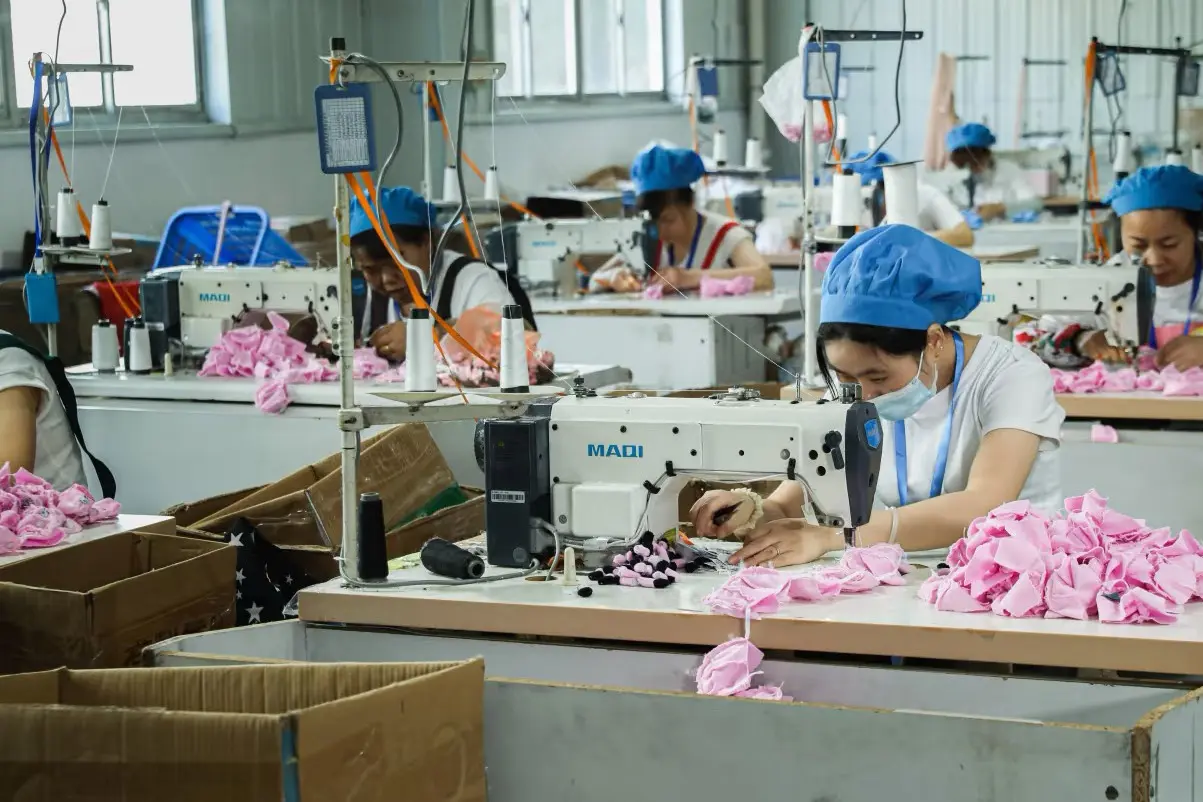
Production Control Points
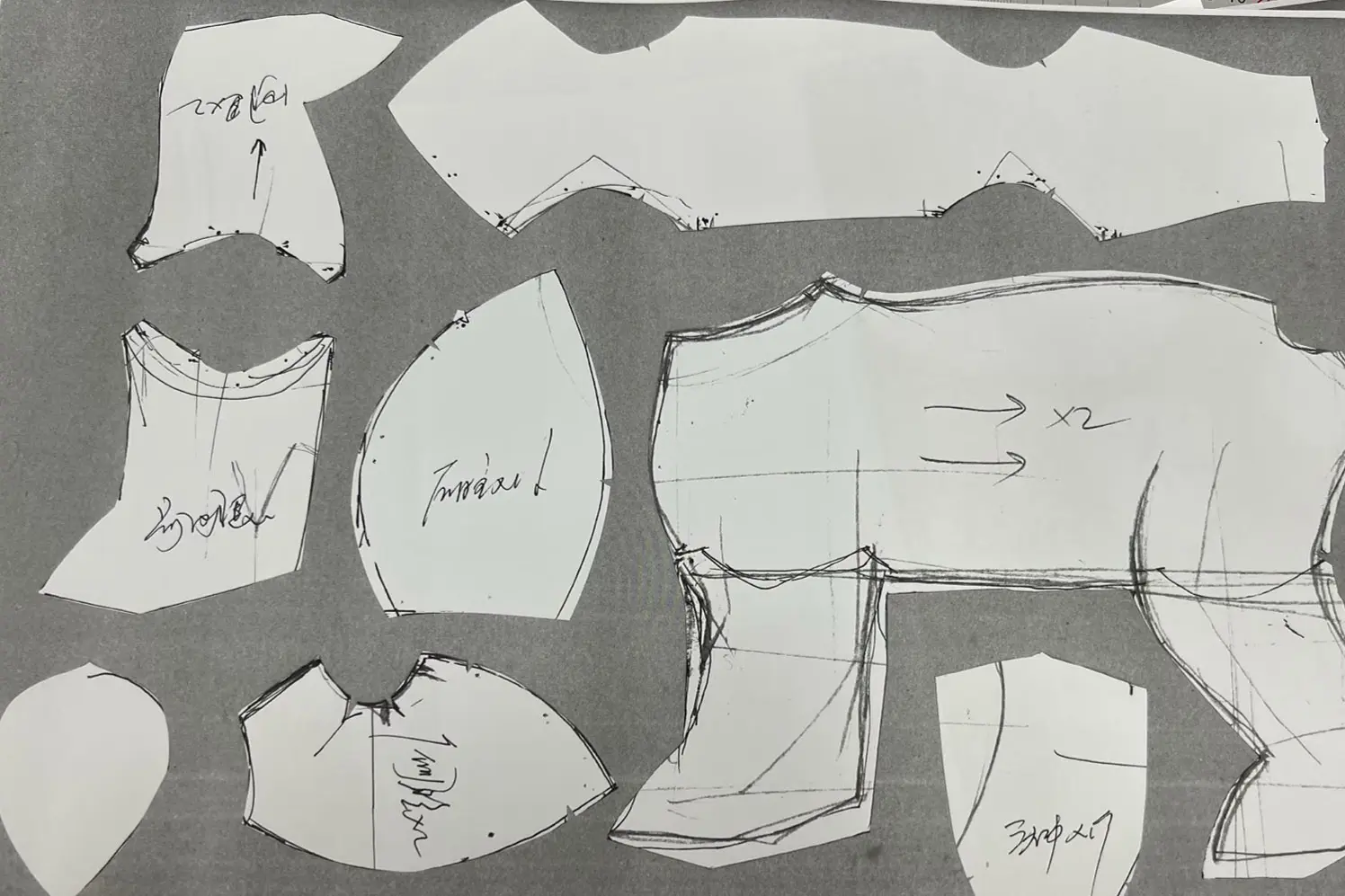
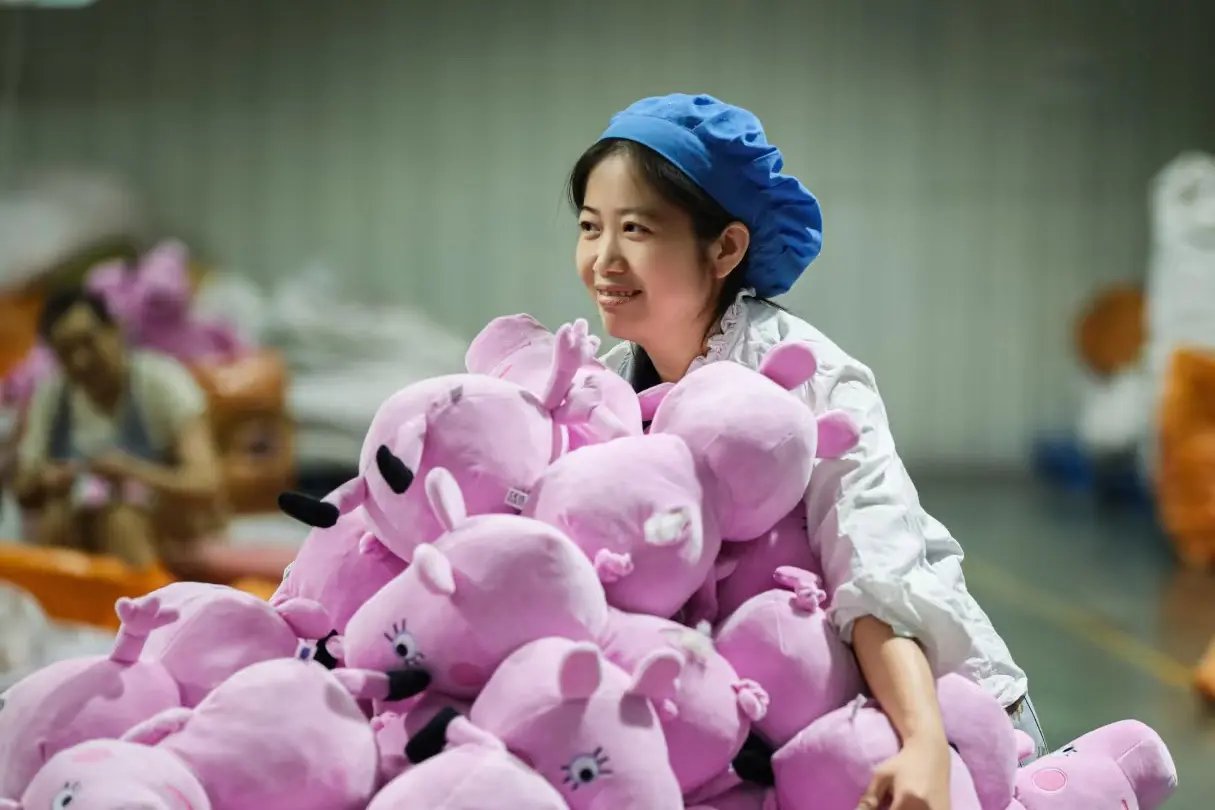
Cutting Checks
Pattern version, fabric and pile direction, color placement, panel size, quantity, marks, and material use.
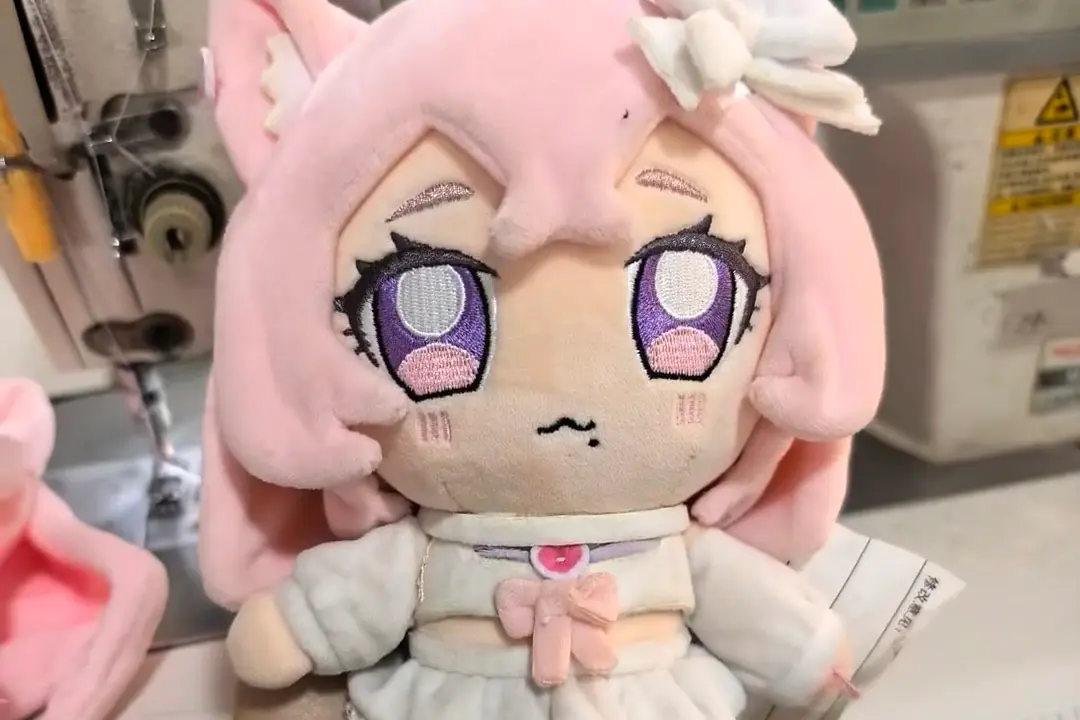
Sewing Checks
Seam position and strength, alignment, limbs, ears or tails, accessories, and labels.
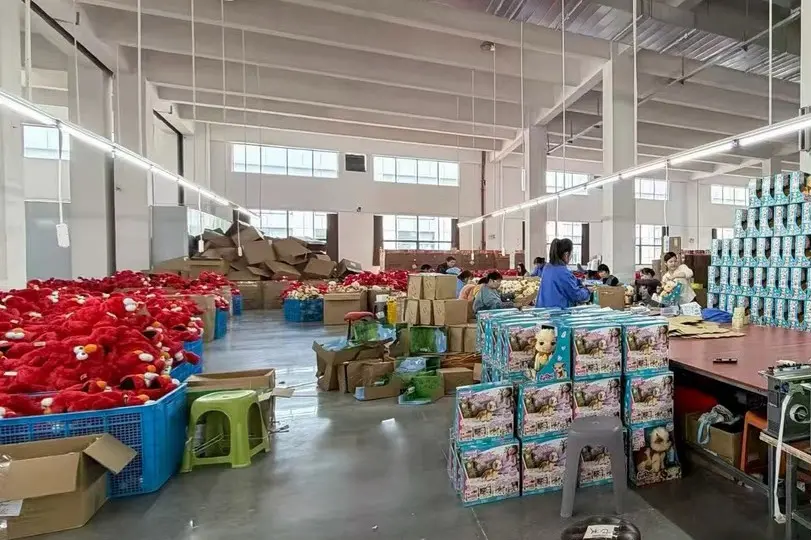
Inspection Checks
Shape, size, fabric, decoration, filling, seams, accessories, loose threads, needle inspection, labels, and package fit.
Packing Checks
OPP bags, tags, woven and wash labels, boxes, barcodes, carton quantity, compression, and carton labels.
Bulk Production References
Factory: self-owned plush toy factory in Yangzhou, China, founded in 2006.
- Scope: approved sample, materials, cutting, sewing, filling, inspection, packing, and delivery schedule
- MOQ: 100 pcs
- Bulk: usually 15-25 days after sample approval
- Schedule: depends on quantity, materials, packaging, and season
Confirm Market Documents Before Production
Requirements: labels, package text, carton marks, and documents vary by product, age group, materials, accessories, destination, and customer.
Send early: testing, audit documents, labels, or customer authorization needs for review with available factory documents.
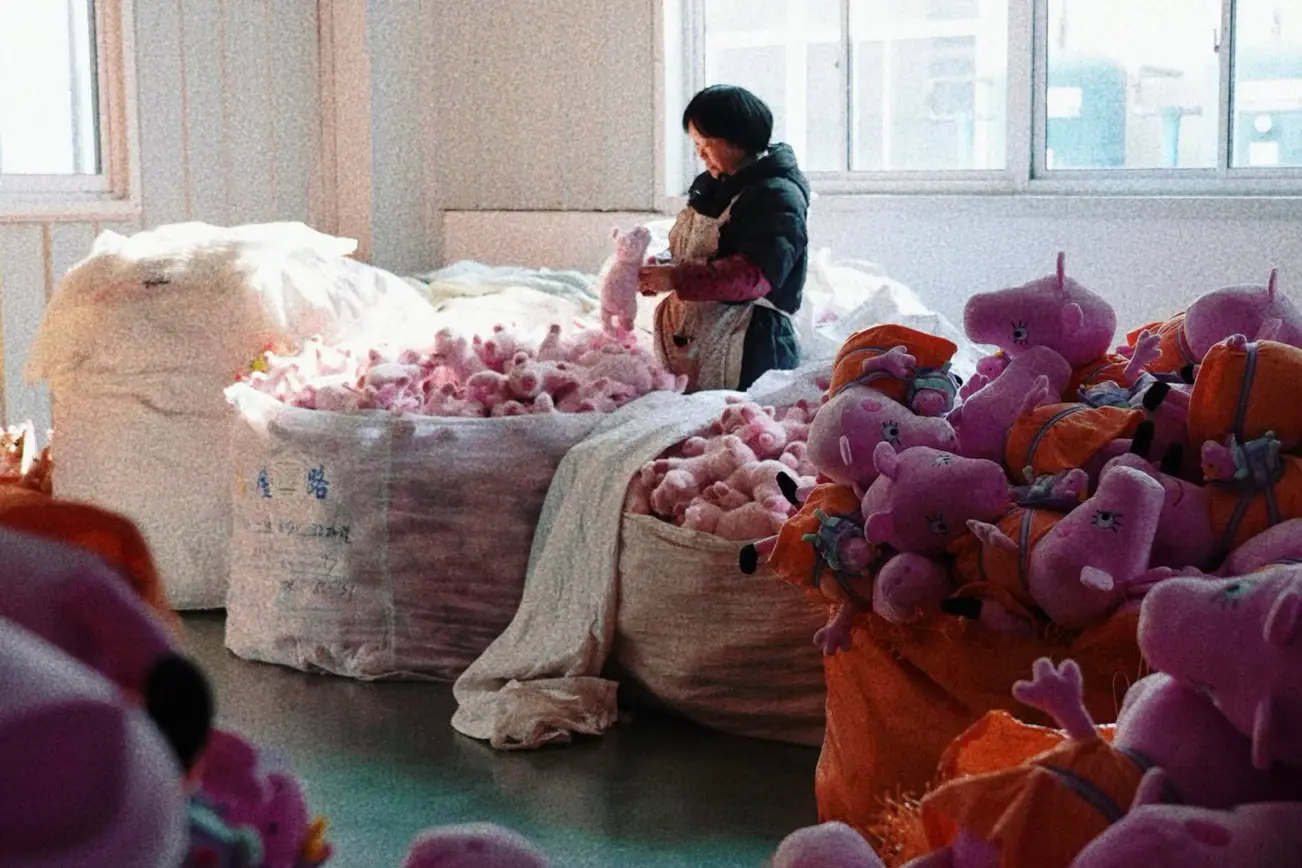
Check Packing Before Shipment
Check: OPP bags, tag position, woven and wash labels, box fit, barcode or SKU placement, carton quantity and labels, compression, packed shape, and warehouse or Amazon needs.
Limit: inspection reduces production risk; it is not a zero-defect guarantee.
Review PackagingSend Your Bulk Order Details
Include the approved sample, quantity, packaging, labels, destination, and delivery needs.
Review Bulk Plan