
WisePlush logo
WisePlush

Custom Plush Toy Quality Control and Inspection

WisePlush checks custom plush orders against the approved sample and confirmed product, label, and packaging requirements before shipment.

  • ✓ Bulk orders checked against the approved sample
  • ✓ Seams, embroidery, filling, and accessories reviewed
  • ✓ Needle inspection and packing checks when required
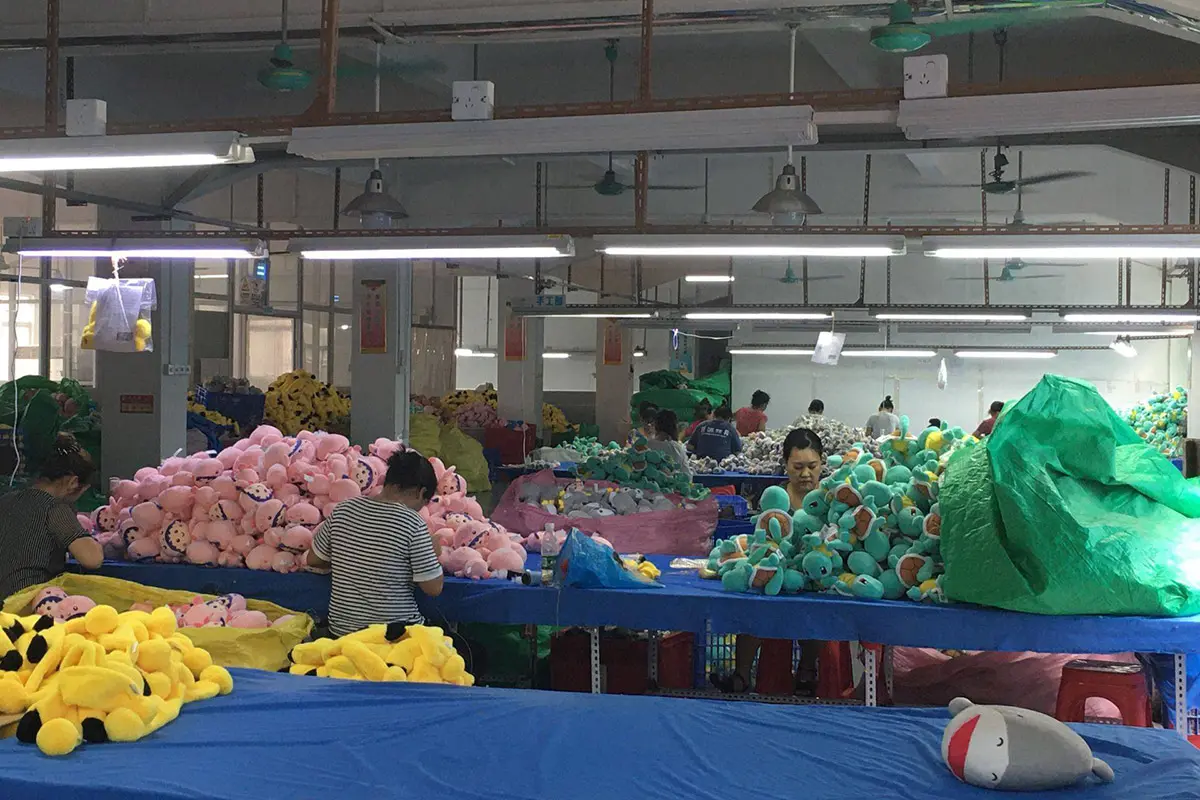
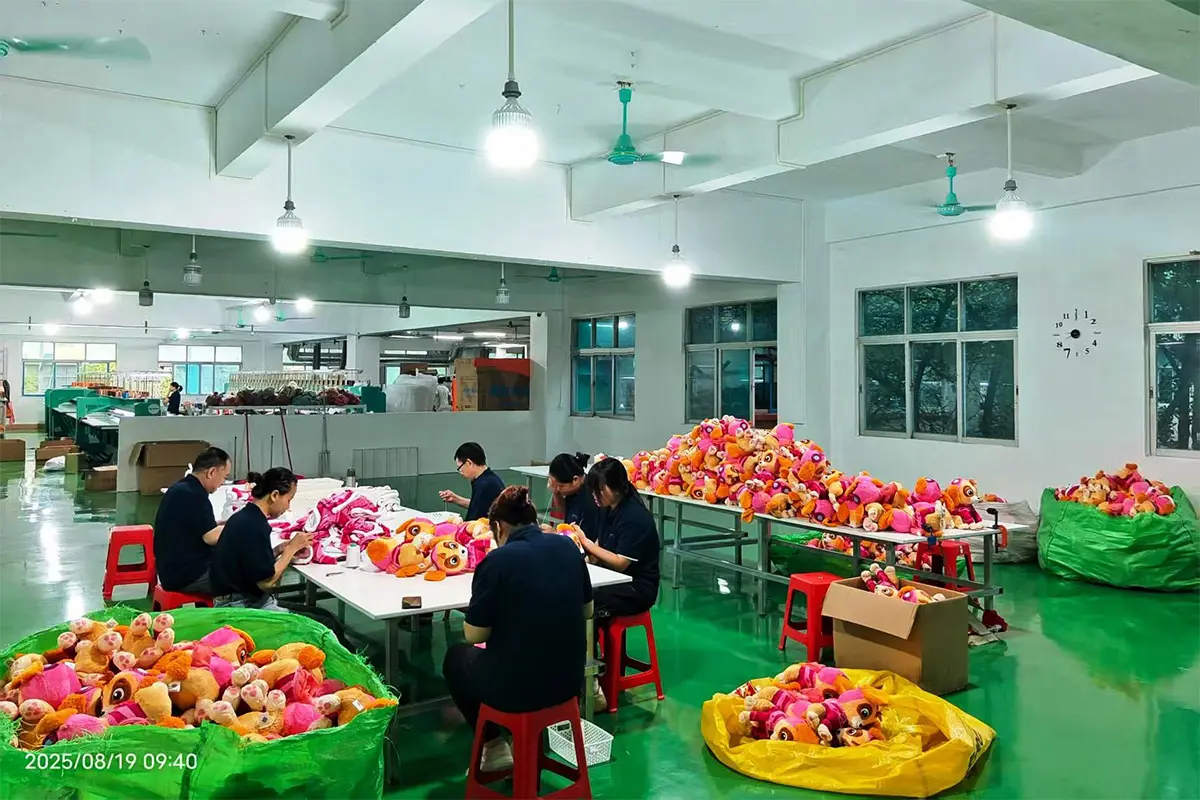
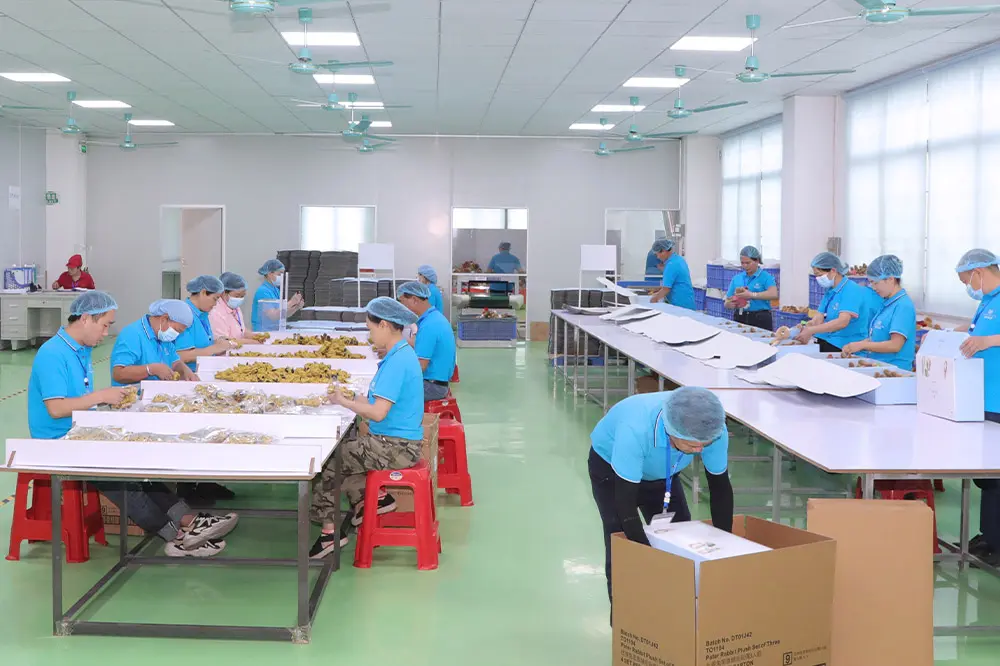
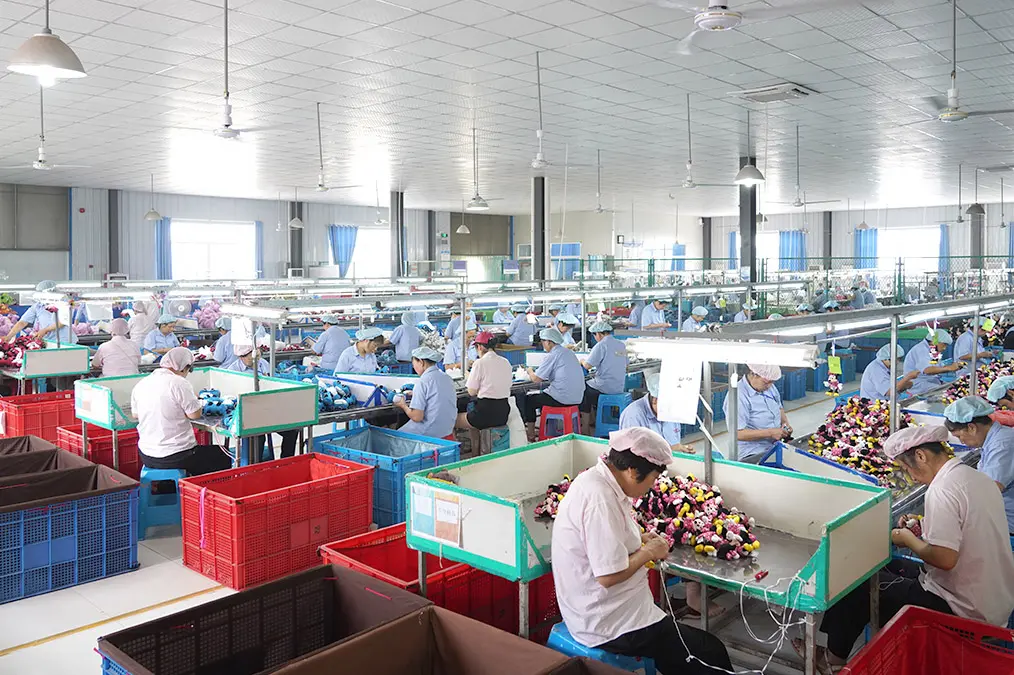
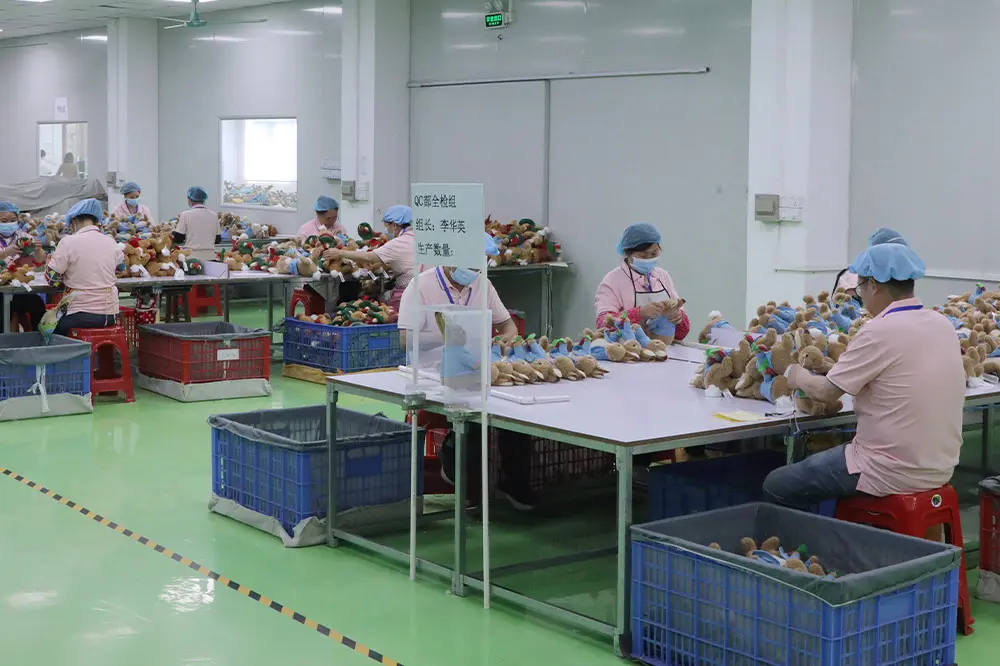
WisePlush plush toy quality inspection workshop with finished plush toys sorted on production tables
Workers checking and sorting colorful plush toys in the final inspection area

Quality Control for Custom Plush Orders

Custom plush toys are soft products, but quality control still needs specific checkpoints. A plush toy can look close to the approved sample at first glance while still having issues with fabric direction, size tolerance, seam strength, embroidery edges, filling balance, loose threads, label placement, or packing.

WisePlush reviews custom plush orders through production and inspection steps before shipment. These checks help the team compare bulk production against the approved sample and reduce avoidable shipment problems.

Quality control is not the same as a safety certificate. If a plush product will be sold in a regulated market or to a specific age group, third-party testing and compliance documents may still be required.

View Factory Areas

Custom Plush Checks Before Shipment

QC should be concrete. These inspection points help compare bulk production with the approved sample and catch practical issues before packing or shipment.

Shape

Overall outline, facial expression, body balance, ears, arms, legs, tail, and accessories are reviewed against the approved sample.

Size

Finished size, proportion, and visible tolerance issues are checked to avoid unexpected product or packaging problems.

Fabric

Incoming material, color, pile direction, texture, surface condition, and fabric match affect appearance and buyer approval.

Seams

Stitch consistency, seam closure, seam allowance, and weak points are checked to reduce opening or distortion.

Embroidery

Edge cleanliness, loose embroidery threads, position, thread color, density, and logo readability matter for faces, logos, and character details.

Filling

PP cotton amount, rebound, body softness, symmetry, and firmness affect hand feel and final shape.

Accessories

Ears, tails, bows, clothing, hang loops, eyes, keychain hardware, and small add-ons are reviewed for placement and attachment strength.

Labels and Packing

Woven labels, wash labels, hang tags, barcodes, SKU labels, OPP bags, boxes, cartons, carton labels, and compression are checked.

Shape and Size Checks

Shape is one of the most important custom plush inspection points because buyers often approve a sample based on visual recognition. A mascot plush, character plush, teddy bear, or plush doll may need specific facial proportions, ear placement, arm angle, body shape, or clothing fit.

During inspection, products should be compared against the approved sample or approved production reference. The goal is not to make every plush item mechanically identical, because soft products naturally have small tolerances. The goal is to keep bulk production within an acceptable visual and size range.

  • Overall body shape and face symmetry
  • Ear, arm, leg, and tail position
  • Standing or sitting balance when relevant
  • Finished size compared with the approved sample
  • Obvious deformation after packing or compression
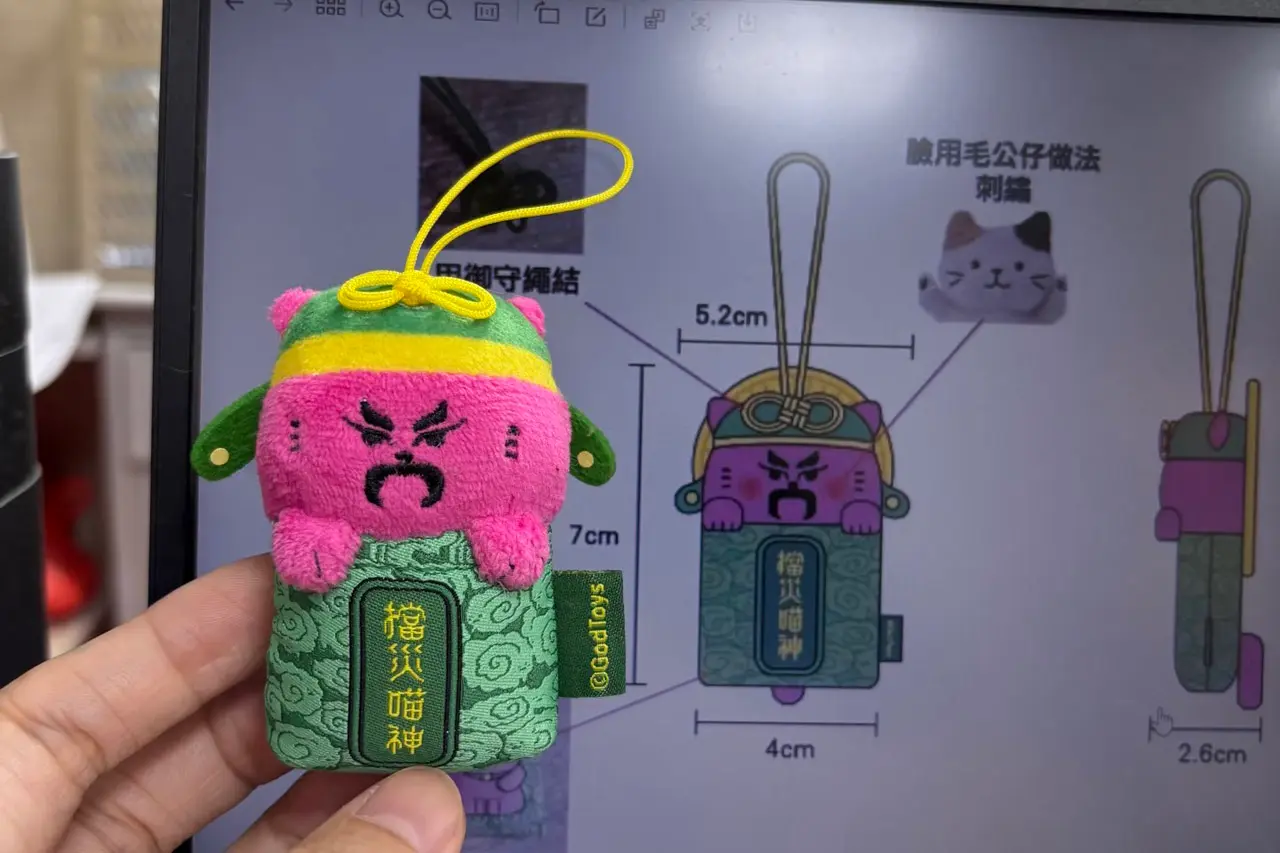
Plush keychain sample checked against the design sheet for size and embroidery details
Plush toy packing and finishing workshop with workers sorting small plush items

Seam and Stitch Checks

Seam quality affects both appearance and durability. Custom plush toys can include curved seams, small parts, clothing seams, attached accessories, or complicated body shapes. These areas need hands-on review.

✓ Open seams
✓ Uneven stitch lines
✓ Weak seam points
✓ Loose thread ends
✓ Puckering around curved areas
✓ Poor closure around stuffing openings

If a plush product has small attached parts, the inspection should pay extra attention to connection areas.

Embroidery Edge and Detail Checks

Embroidery is often used for eyes, mouths, logos, character expressions, badges, or brand marks. Small errors can change how the plush looks, especially on character plush and mascot plush.

  • Edge cleanliness and loose embroidery threads
  • Thread color match and logo readability
  • Position against the approved sample
  • Density, thickness, and alignment on curved fabric

For branded projects, the buyer should provide usable logo files, color references, and placement notes before sampling.
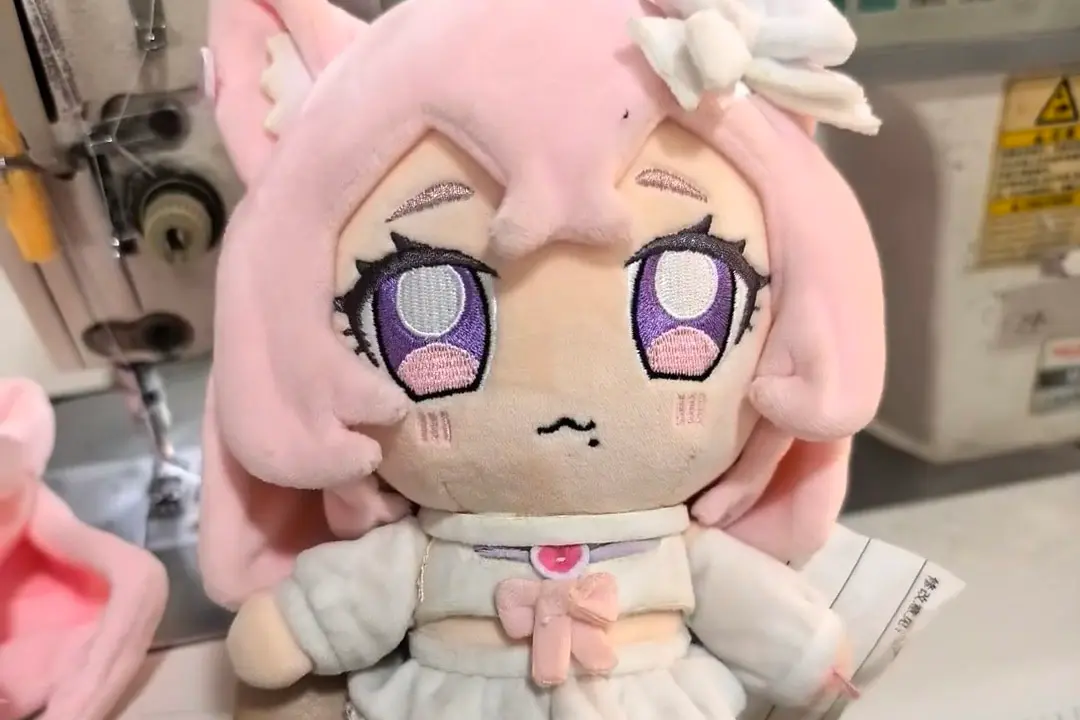
Pink anime plush doll face embroidery check beside the sewing machine

Filling, Accessories, and Packing Checks

These hands-on QC points affect how the plush feels, whether details stay in the right place, and whether the product arrives ready for presentation.

Plush toy production line quality check with workers finishing bulk plush toys

Filling Rebound and Hand Feel

WisePlush can review PP cotton filling amount, body balance, rebound, firmness, and overall hand feel based on the approved sample.

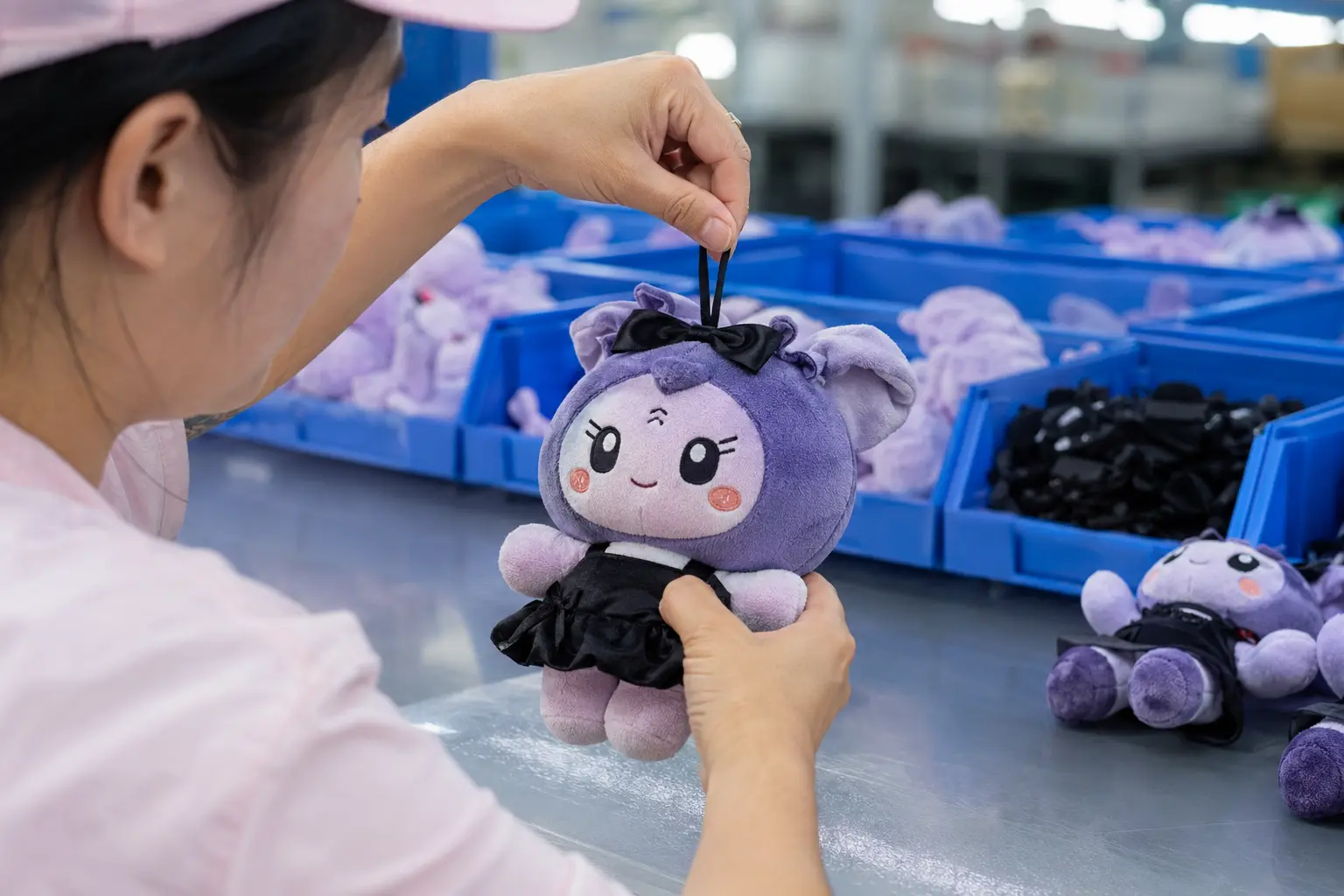
Worker checking the hanging loop attachment on a purple plush doll

Accessory Attachment Checks

Ears, tails, bows, clothing, straps, hang loops, keychain hardware, eyes, and other accessories are reviewed for placement and attachment.

Custom plush doll label hang tag OPP bag and gift box packaging check

Label and Packaging Checks

QC should confirm label artwork, placement, hang tag attachment, barcode readability, OPP bag size, warning text when required, box fit, carton labels, and compression level.

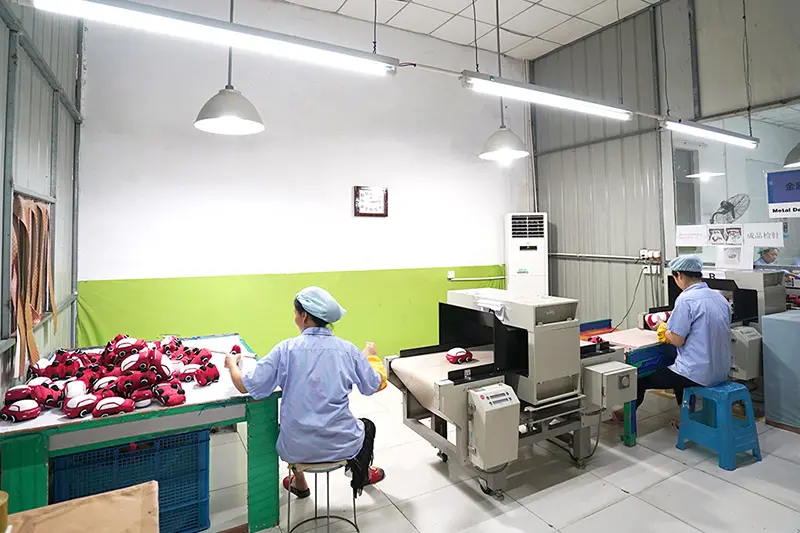
Plush toys passing through metal detection inspection before packing

Needle Inspection

Needle inspection is part of in-house quality control when required by the product and order. It helps control the risk of broken needle fragments before packing.

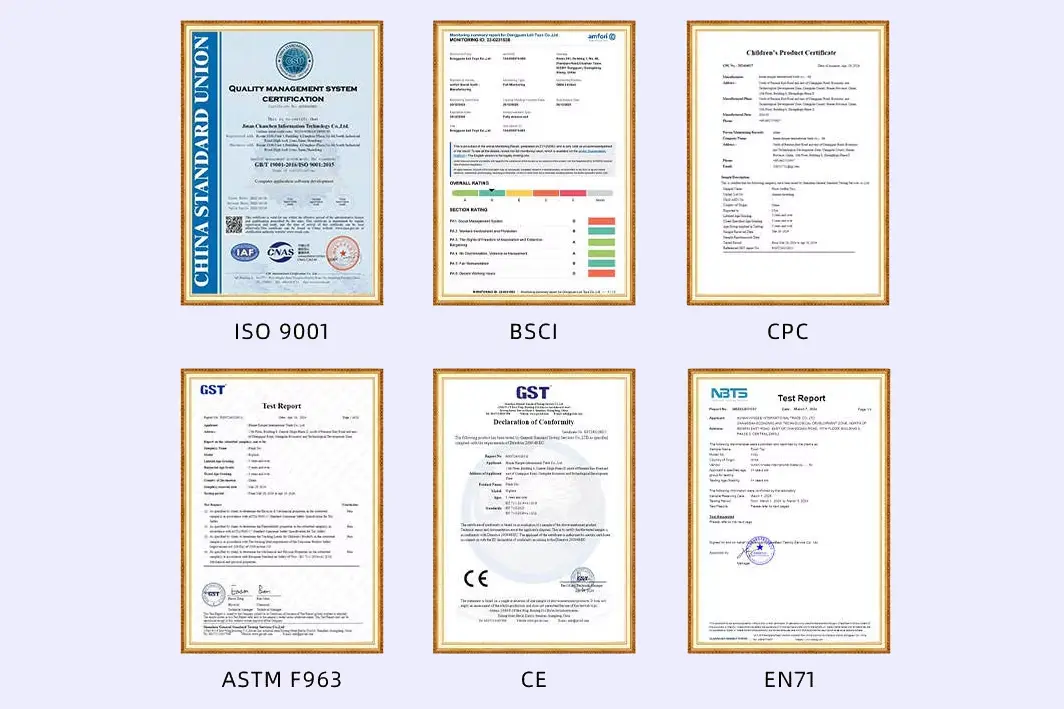
WisePlush certificate display including ISO 9001 BSCI CPC ASTM F963 CE and EN71 documents

In-House QC and Third-Party Testing

In-house QC checks workmanship, order consistency, labels, and packaging. It does not replace third-party safety testing required for a product or destination market.

Testing needs depend on the product type, target age group, materials, accessories, destination market, and sales channel. The required reports and document scope should be confirmed for each project.

View Certifications

Details to Confirm Before Production

Better QC starts before bulk production. Confirm these details before sample approval or bulk production scheduling.

Approved Standard

Approved sample photos, physical sample when needed, final size, tolerance expectations, fabric type, and color.

Product Details

Embroidery artwork, printing details, eye type, filling feel, clothing structure, and accessory structure.

Labels and Market Needs

Hang tag, woven label, wash label, barcode, SKU, packaging artwork, carton label, target market, and testing needs.

Discuss Your Quality Requirements

Send the approved sample details, artwork, quantity, labels, packaging, target market, and inspection requirements for review.

Get a Quote

Frequently Asked Questions

Plush toy quality control can include comparison with the approved sample, shape and size review, fabric, seams, embroidery, filling, accessory attachment, labels, packaging, and needle inspection when required.
Yes. WisePlush reviews bulk orders against the approved sample and confirmed order details before shipment. The inspection points depend on the product, accessories, labels, packaging, and buyer requirements.
No. In-house QC does not replace required third-party safety testing or compliance documents. Testing needs depend on product type, target age group, materials, accessories, destination market, and sales channel.
Yes. Embroidery and logo details can be checked for position, edge cleanliness, thread color, density, readability, and consistency with the approved sample.
Buyers should provide the approved sample or sample photos, artwork, logo files, size requirements, fabric choices, embroidery or printing details, accessory notes, label artwork, packaging requirements, target market, and compliance needs before production.
Yes. Third-party inspection can be discussed when buyers need an external review before shipment. Inspection requirements, AQL level, checklist, booking time, and product standard should be confirmed before the inspection date.
WhatsApp Live Agent Chat