


Custom Plush Toys Made From Your Design
Start with artwork and a target size, then use the sample to review shape, details, materials, labels, and packing before production.
- ✓ Artwork and target size
- ✓ Face, logo, and accessory details
- ✓ Labels, packing, and intended market
- ✓ MOQ from 100 pcs
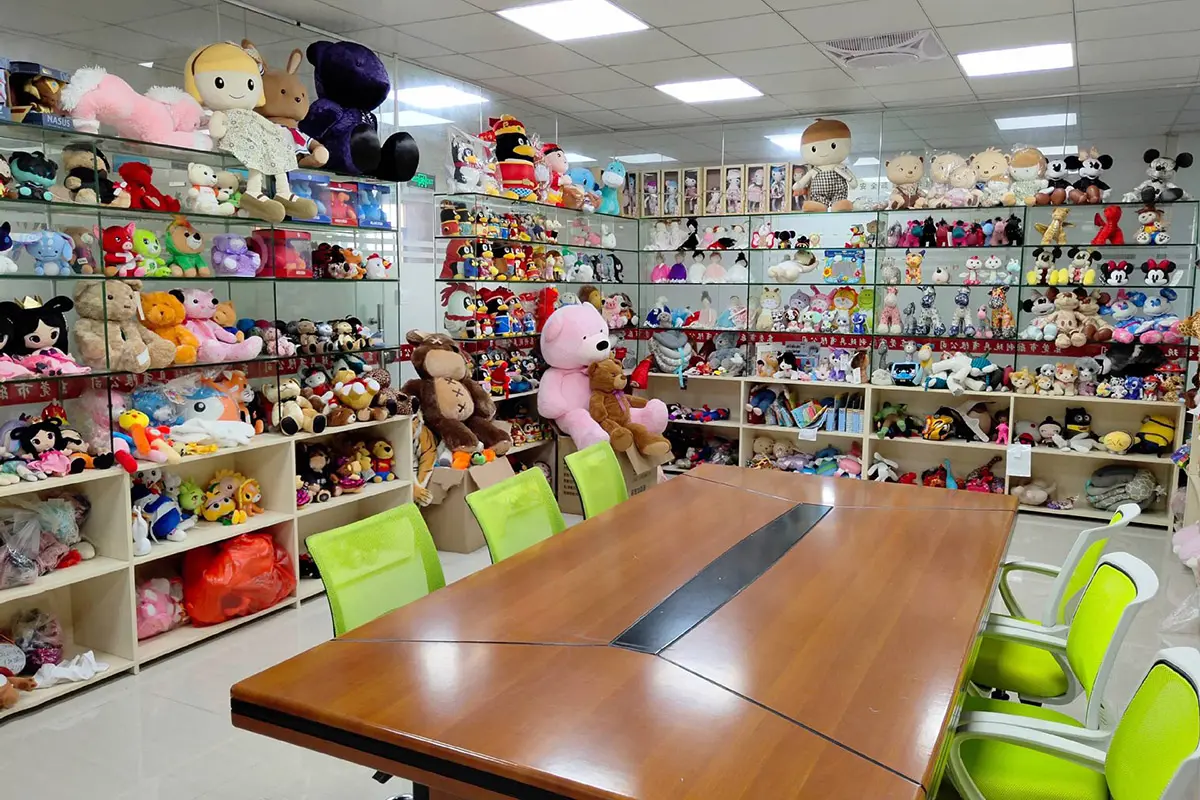
Turn Artwork Into a Plush Sample
A flat design changes when seams, fabric pile, filling, and attached parts create a three-dimensional shape. Thin lines, tiny text, and layered details may need adjustment.
Use the sample to review proportion, expression, material, color, firmness, labels, and packing before production.
Send Your ArtworkWhat to Prepare Before Sampling
Share the information that affects the pattern, detail method, material choice, and packing plan.

Artwork Views
Start with a clear front view. Add side and back views for pose, clothing, or accessories.

Size and Quantity
Share the target height and order quantity so pattern and packing choices can be reviewed.

Fabric Reference
Add texture and color references when the material appearance matters.

Logo and Details
Mark faces, logos, clothing artwork, and the expected embroidery or print areas.

Packaging Plan
List needed labels, tags, bags, boxes, barcodes, or retail packs.

Market Needs
State the destination market, age group, sales channel, and known label or testing requirements before sampling.
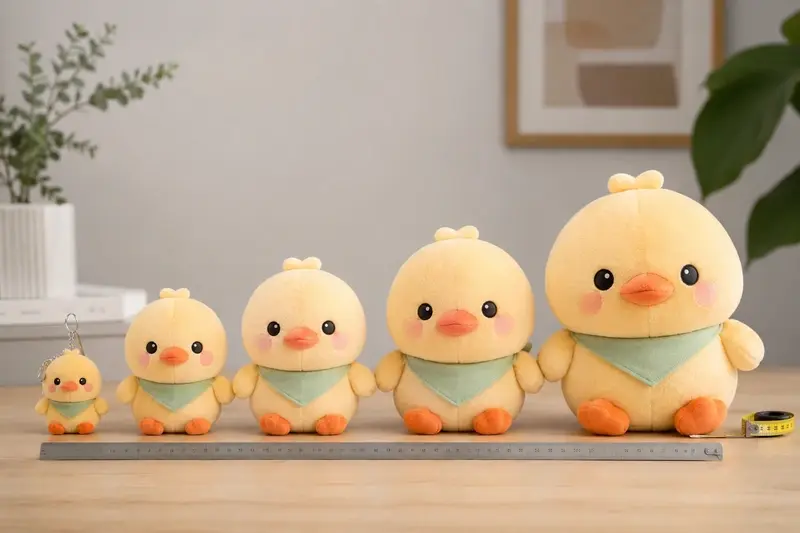
Size Changes the Level of Detail
The same artwork will not read the same at every size. Choose the target height before the pattern is developed.
- Small formats: simplify thin limbs, tiny text, and layered pieces.
- Mid-size formats: balance readable face and clothing details with packing volume.
- Large formats: review posture, filling, and carton size as the toy grows.

Match Each Detail to the Right Method
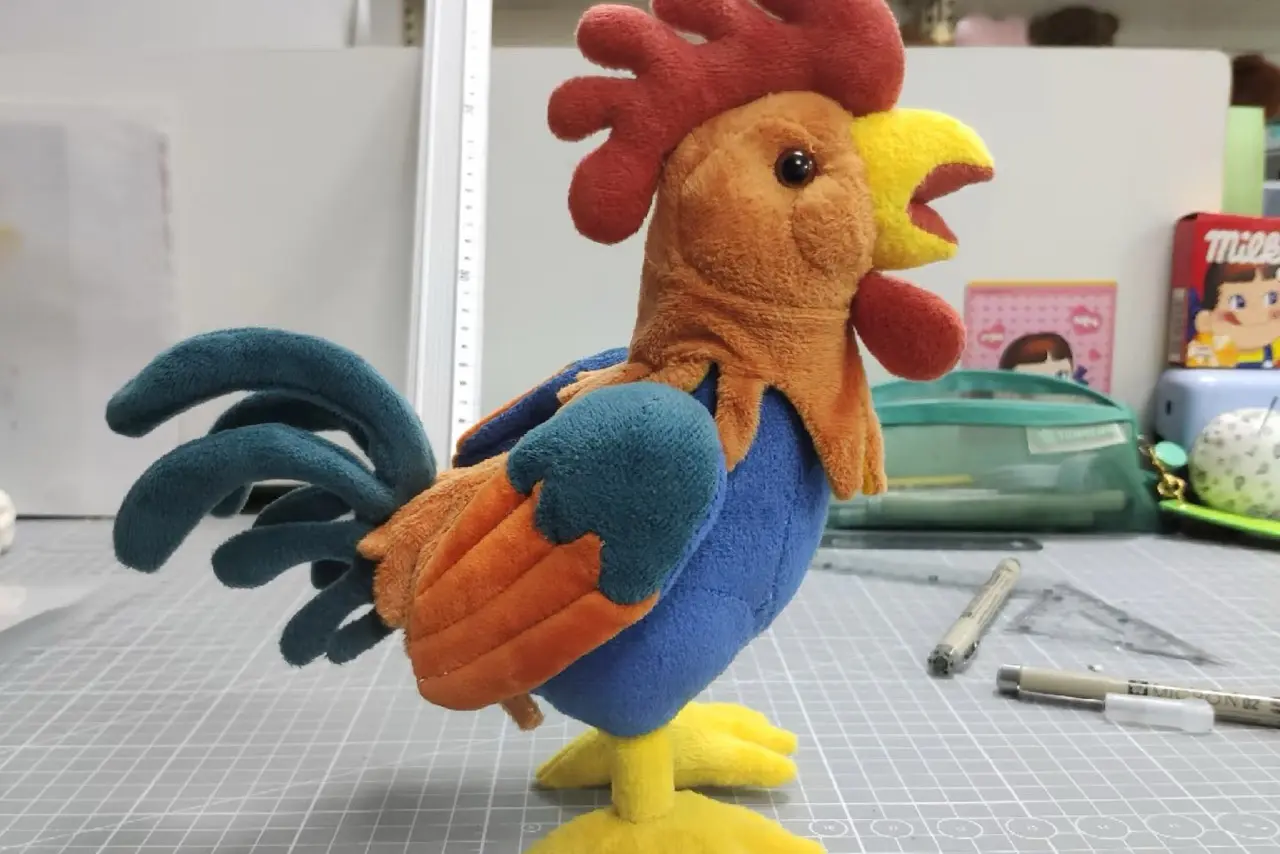
- Embroidery: faces, mouths, logos, and small shapes when the stitch area is large enough.
- Printing: flat artwork, clothing panels, and larger color areas.
- Attached parts: review eyes, buttons, zippers, and accessories for the intended age group, use, market, and known testing requirements.
Choose Fabric Around Shape and Detail
- Short pile: keeps small face and logo details clearer.
- Long pile: adds texture but may cover small features.
- Filling: changes firmness, posture, and rebound; press the sample to check evenness and shape recovery.
Plan Labels and Packing Before the Sample
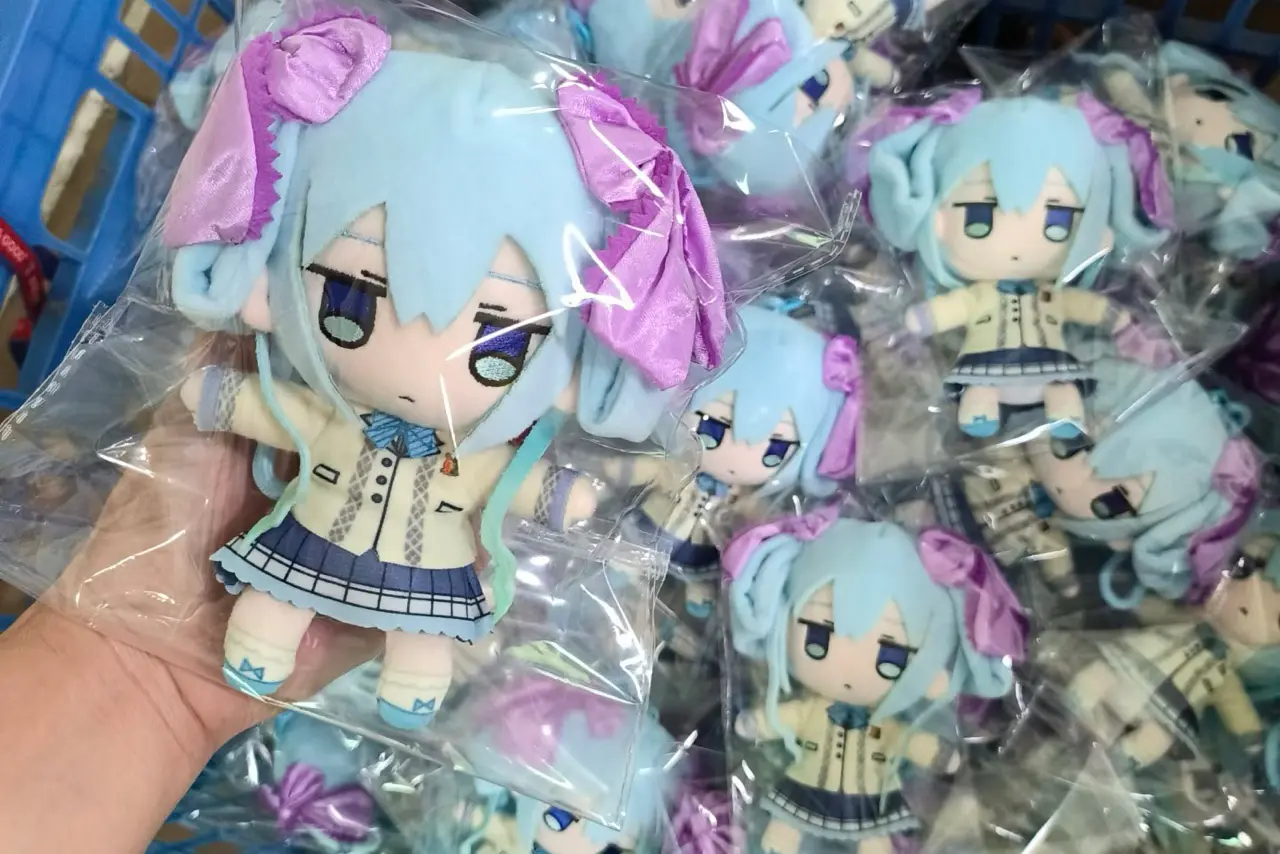
- Product ID: woven or wash labels, hang tags, barcodes, and SKU labels.
- Retail format: bags, boxes, retail packs, or blind boxes.
- Packing review: confirm tag position, bag size, warning text, display direction, and carton labels.
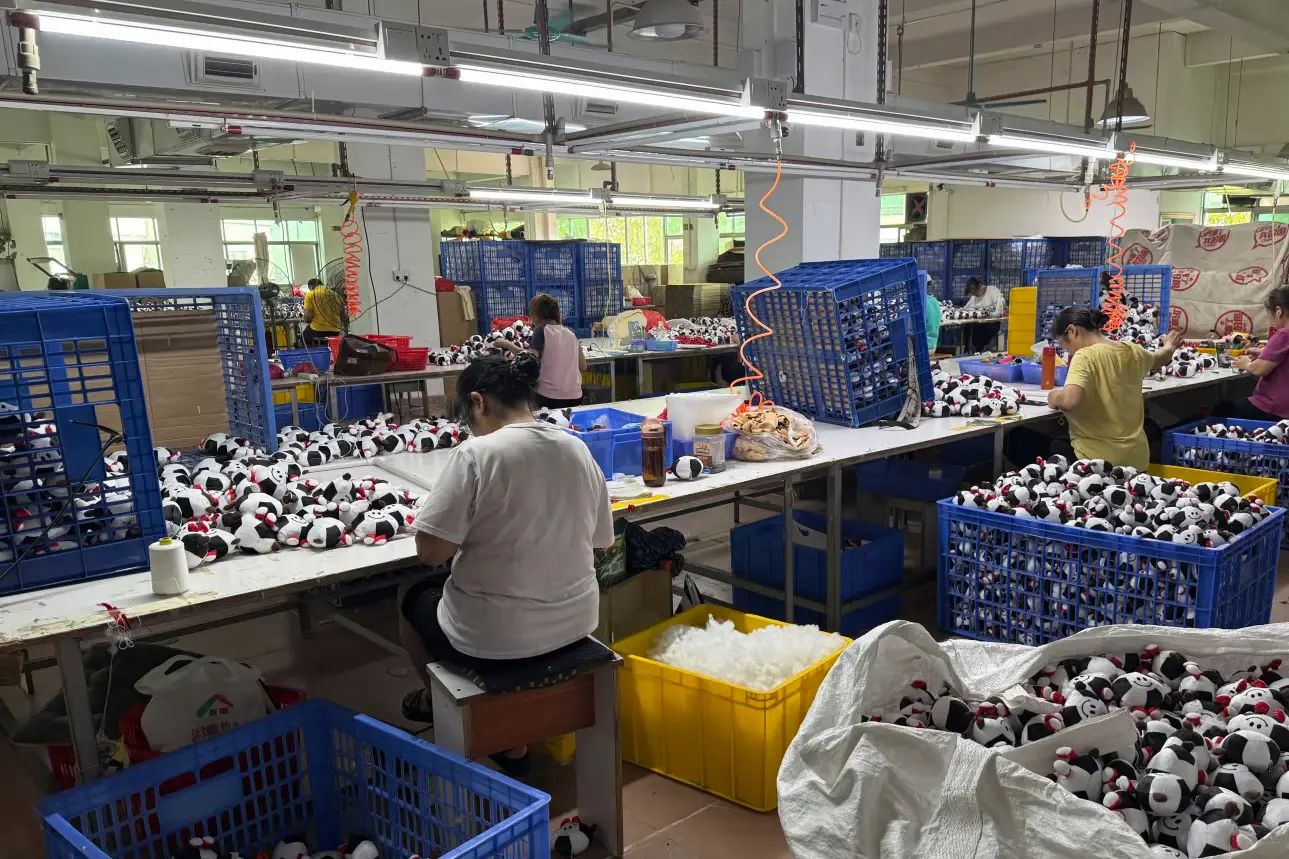
See Where Plush Samples Are Made
Pattern making, sewing, filling, finishing, and final checks are shown on our factory page.
View the WorkshopReady to Review Your Plush Design?
Send your artwork, target size, quantity, intended use, material or color references, labels, packing, destination market, and delivery target.
Send Your Design