
WisePlush logo
WisePlush

Material and Packaging Options for Custom Plush

WisePlush helps buyers review material choices, packaging size, carton use, and document scope before sampling and production.

  • ✓ Material options checked before sampling
  • ✓ Packaging size and carton use reviewed
  • ✓ Certificate scope confirmed before claims
custom plush manufacturing material and packaging choices for responsible production planning
Responsible choices for custom plush projects

Material and Packaging Planning

Responsible material and packaging planning is not a single label or a general promise. It is a set of practical decisions made during design, sampling, material selection, packaging, production planning, and documentation.

WisePlush helps custom plush buyers review project details before production so avoidable waste, unclear revisions, unsuitable packaging, and unsupported material claims can be reduced. The goal is to choose options that fit the product, market, budget, MOQ, and proof requirements.

Any claim about recycled materials, organic materials, certified fabrics, FSC paper packaging, or factory audits should be supported by matching documents before it appears on the website, packaging, or product listing.

Get a Quote

Project Planning Areas

Responsible production is easier to discuss when the decision points are specific and the proof requirements are clear.

Design Preparation

Clear artwork, size, colors, accessories, and packaging direction before sampling help reduce avoidable rework.

Sample Revisions

Clear revision lists and approval records help reduce unnecessary sample rounds.

Material Choice

Fabric type, filling, trims, labels, and color options should be discussed with document needs in mind.

Recycled or Certified Materials

Use GRS, GOTS, FSC, or OEKO-TEX claims only when matching supplier documents and certificate scope are available.

Packaging

OPP bags, hang tags, gift boxes, retail packs, blind boxes, and cartons should fit product use, shipping needs, and documentation scope.

Production Planning

Quantity, deadline, reorder expectations, and approved samples help the factory plan more efficiently.

Compliance

Market, age group, labels, warnings, and document requirements should be reviewed before material or packaging claims are made.

Proof Records

Certificates, supplier documents, test reports, or approval notes should match the exact product or material claim.

Reducing Unnecessary Sample Waste

Sampling is important for custom plush projects because buyers need to confirm shape, fabric, embroidery, filling, size, labels, and packaging direction before bulk production. However, unclear artwork or late changes can create avoidable sample waste.

  • Front, side, and back views when possible
  • Target size and tolerance expectations
  • Fabric preference such as short plush, minky, velboa, faux fur, or sherpa
  • Filling feel preference, embroidery files, and printing files
  • Eye type, clothing, accessories, label direction, packaging direction, target market, and age group
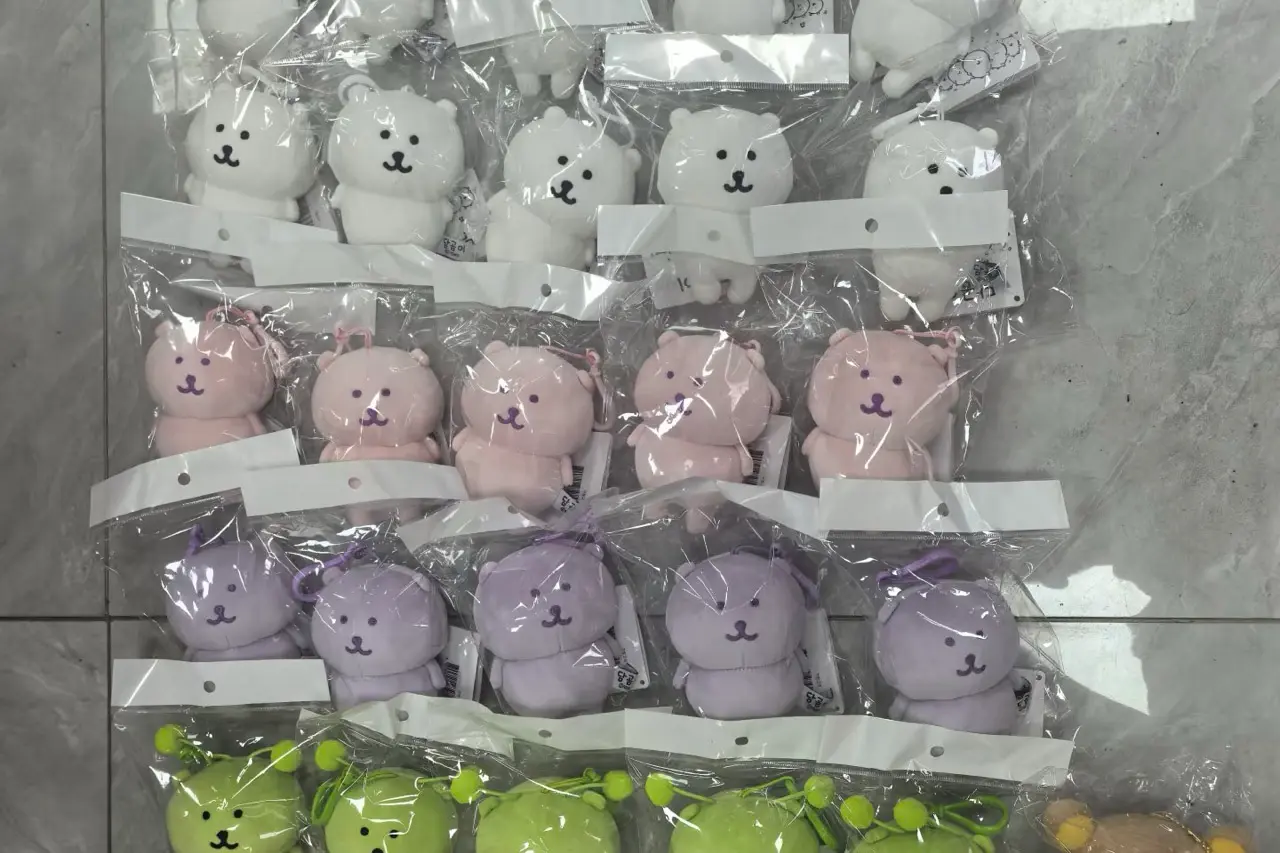
Custom plush sample review to reduce unnecessary revisions
Plush fabric material options for custom manufacturing

Material Options and Document Scope

Material choice affects appearance, hand feel, cost, production planning, and claim requirements. Custom plush projects may use short plush, minky, velboa, faux fur, sherpa, PP cotton filling, woven labels, hang tags, OPP bags, gift boxes, and other packaging materials.

If a buyer wants GRS recycled fabric or filling, GOTS organic textile materials, OEKO-TEX Standard 100 textile materials, or FSC paper packaging, WisePlush should confirm availability, color, MOQ, supplier scope, and document proof before using the claim in marketing or packaging.

View Certifications

Packaging and Paper Document Scope

Packaging affects material use, shipping volume, retail presentation, and product protection. FSC should only be used for matching paper packaging items when the selected supplier and certificate scope support the claim.

OPP Bag

Review size and warning text when required.

Hang Tag

Useful for branding, retail display, and product information; FSC paper scope can be reviewed when required.

Woven Label

Confirm artwork, position, and material needs.

Gift Box

Can improve presentation but affects size, cost, shipping volume, and FSC paper review needs.

Carton Packing

Review carton labels, quantity, compression, shape protection, and carton paper scope.

Buyer checklist for responsible plush planning

Buyer Material and Packaging Checklist

Before asking for certified material or packaging options, buyers should prepare the information that affects material sourcing, packaging, testing, production, MOQ, color selection, and claim decisions.

✓ Product artwork and target size
✓ Intended use and target region
✓ Target age group and fabric preference
✓ Filling, label, and packaging preferences
✓ Quantity, reorder expectations, and deadline
✓ Required GRS, GOTS, FSC, OEKO-TEX, reports, retailer checklist, or material proof needs

Discuss Material and Packaging Options

Send your design, material preference, packaging needs, quantity, colors, destination market, and document requirements for review.

Get a Quote

Frequently Asked Questions

WisePlush can review fabric, filling, label, and packaging options. If a recycled, organic, or certified claim is required, the exact material, supplier, certificate holder, scope, and validity should be confirmed before sampling or purchasing.
Yes. Recycled fabrics or recycled filling may affect available colors, texture, hand feel, MOQ, sourcing time, and certificate scope. These points should be checked before quotation, sampling, and purchasing.
FSC should be confirmed for the exact paper item, such as hang tags, paper cards, cartons, or gift boxes. Buyers should check the paper supplier, certificate scope, artwork, box structure, MOQ, and whether FSC labeling is allowed for that packaging.
Buyers can reduce avoidable sample revisions by preparing clear artwork, size notes, fabric preferences, embroidery files, accessory details, label requirements, packaging direction, and target market information before sampling.
Packaging can be reviewed for product fit, OPP bag size, gift box structure, carton quantity, carton size, compression limits, and shipping volume. Right-sized packaging helps reduce unnecessary material use and avoids rework caused by poor fit.
No. Material choice depends on product type, shape, hand feel, target market, budget, color needs, available documents, MOQ, and buyer requirements. The material and certificate scope should be chosen before sampling whenever possible.
WhatsApp Live Agent Chat