


Custom Stuffed Animals From Your Design
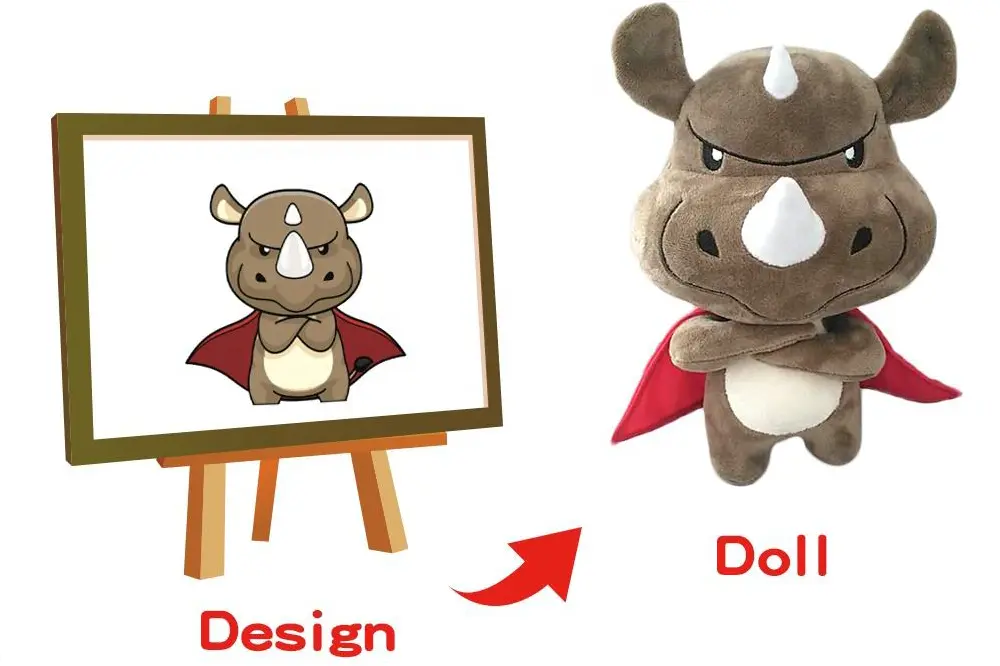
Develop a custom stuffed animal from a sketch, photo, species reference, mascot, or original creature, then review the pose and details in a sample.
- ✓ Posture, body shape, and balance
- ✓ Texture, markings, and attached parts
- ✓ Labels and packing options
- ✓ MOQ from 100 pcs
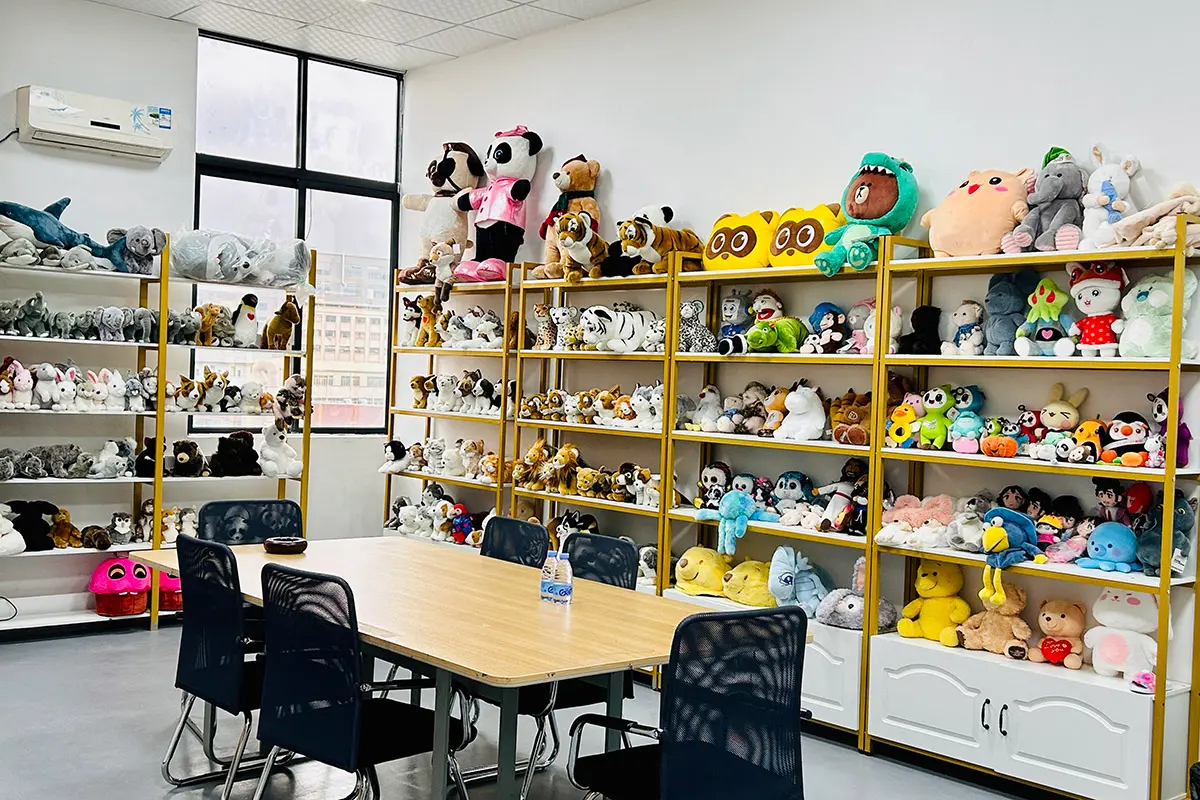
Start With Pose and Species Details
- Recognition: keep the head, snout, ears, markings, and tail readable at the chosen size.
- Pose: choose sitting, standing, lying, or a rounded body before pattern making.
- Balance: review leg position, tail direction, wings, seams, and filling together.
References for Animal Plush Development
Send a sketch, photo, mascot file, species reference, or character artwork. Mark the features that must stay accurate.

Sketches and Photos
Front, side, and back views clarify posture, proportions, markings, and tail direction.

Mascots and Characters
Prioritize expression, brand colors, pose, and recognition when exact anatomy is not the goal.

Species References
Mark the anatomy, colors, or patterns that museum, park, and education projects must keep.

Simplified Details
Thin legs, tiny claws, narrow antlers, or feather lines may need adjustment for size and fabric.

Retail Product Lines
Plan shared color references, labels, and packing across a retail product line.

Fantasy Animals
Dragons, sea animals, and mixed creatures may need simpler wings, horns, tails, fins, or limbs.
Match the Pattern and Filling to the Intended Pose
Pattern pieces and filling balance change with the pose. Too little filling can flatten the body; too much can distort the face or limb position.
- Sitting: base balance, leg position, and face angle
- Standing: leg thickness, filling density, and tail support
- Lying: body length, softer filling, head position, and packing recovery
- Round: face readability, limb scale, and embroidery size
- Winged or tailed: seam position, angle, filling, and attachment strength
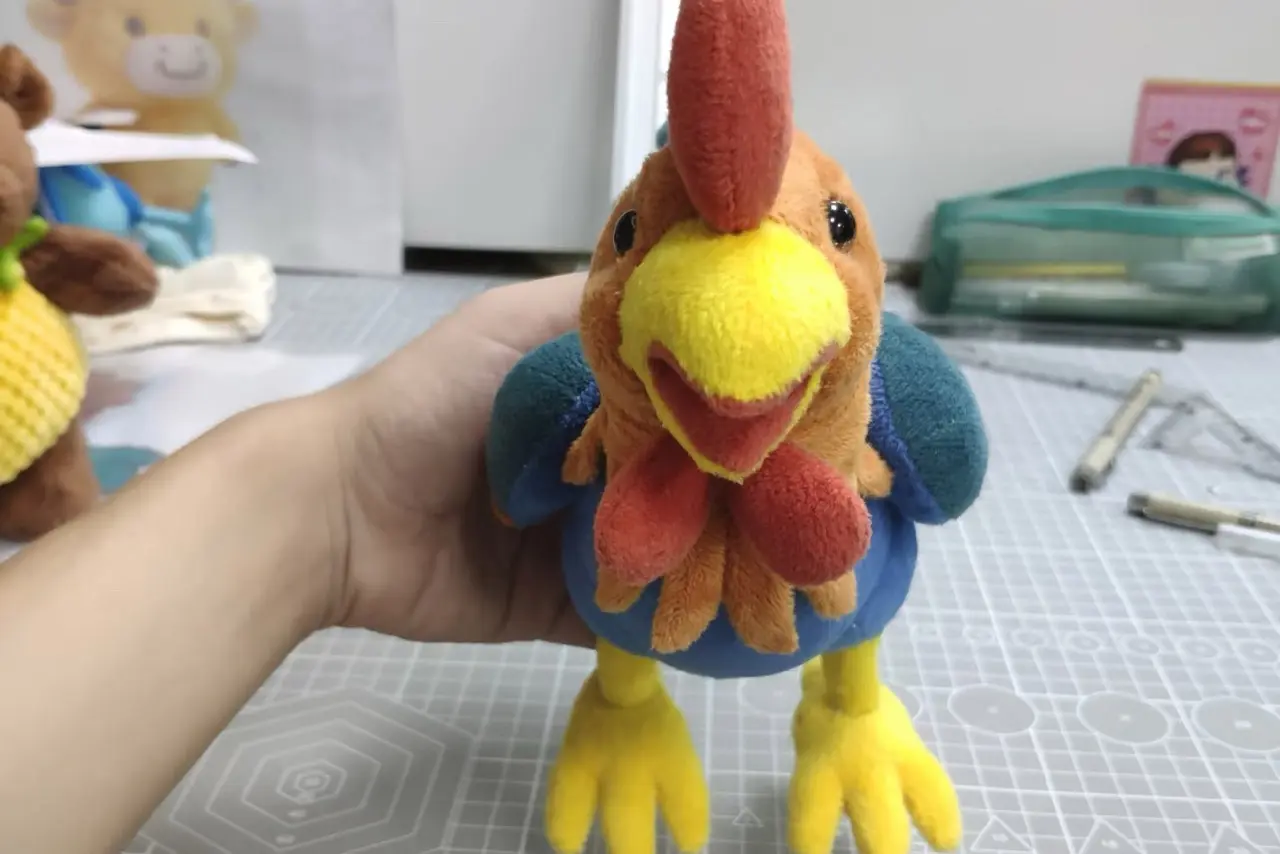
Choose Texture Without Losing the Animal's Face
- Short plush and minky: keep eyes, paws, spots, and embroidery easier to read.
- Velboa: works with many simple shapes.
- Faux fur and sherpa: add texture but may cover small facial details.
Check pile length, fabric direction, face size, colors, and the decoration method before approving the material.
Review Fabric OptionsCheck Ears, Tails, Paws, Horns, and Wings
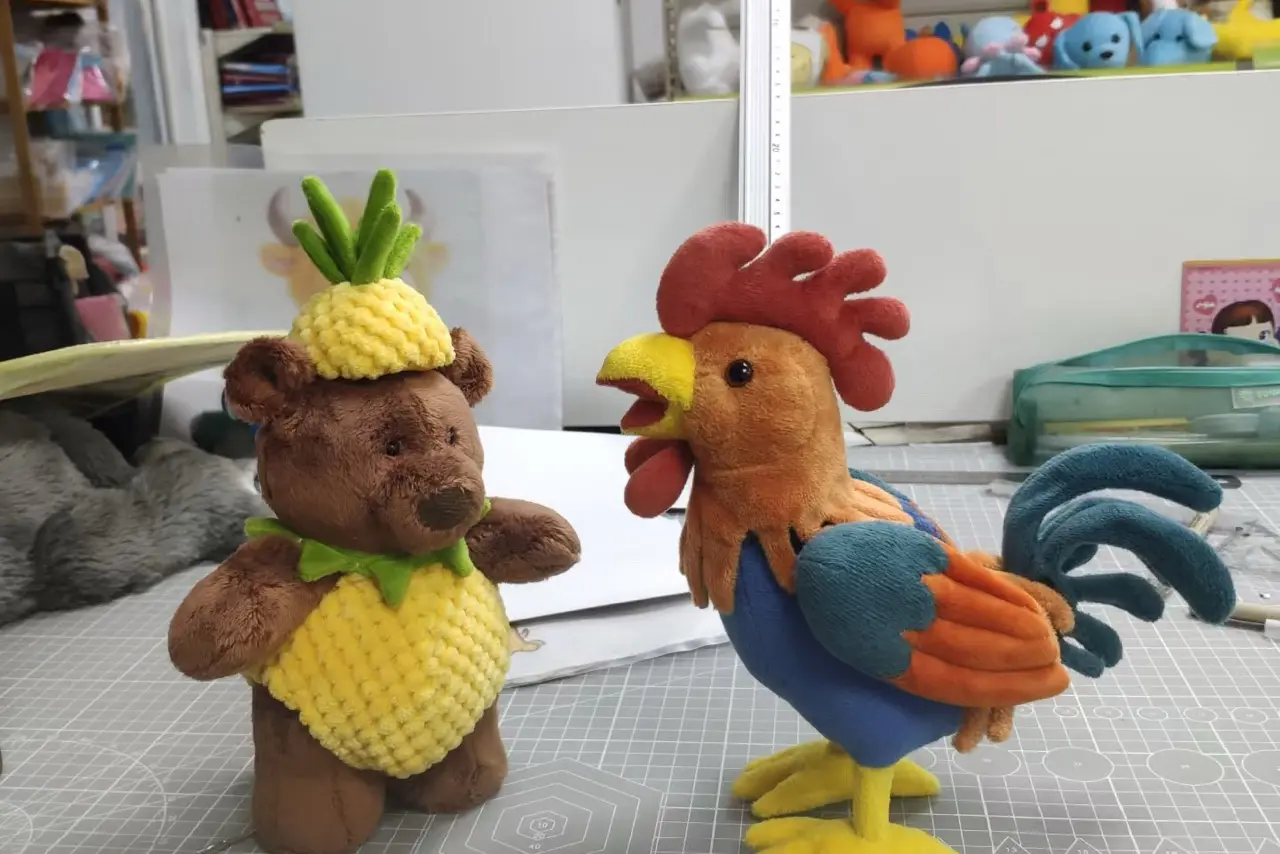
- Position: keep ear angles, tail direction, and paw shapes consistent with the approved sample.
- Shape: thin horns, fins, wings, and long limbs may need extra seams, adjusted filling, or simplification.
- Handling: review attachment position, seams, shape, and strength; pull or seam checks depend on the design and target market.
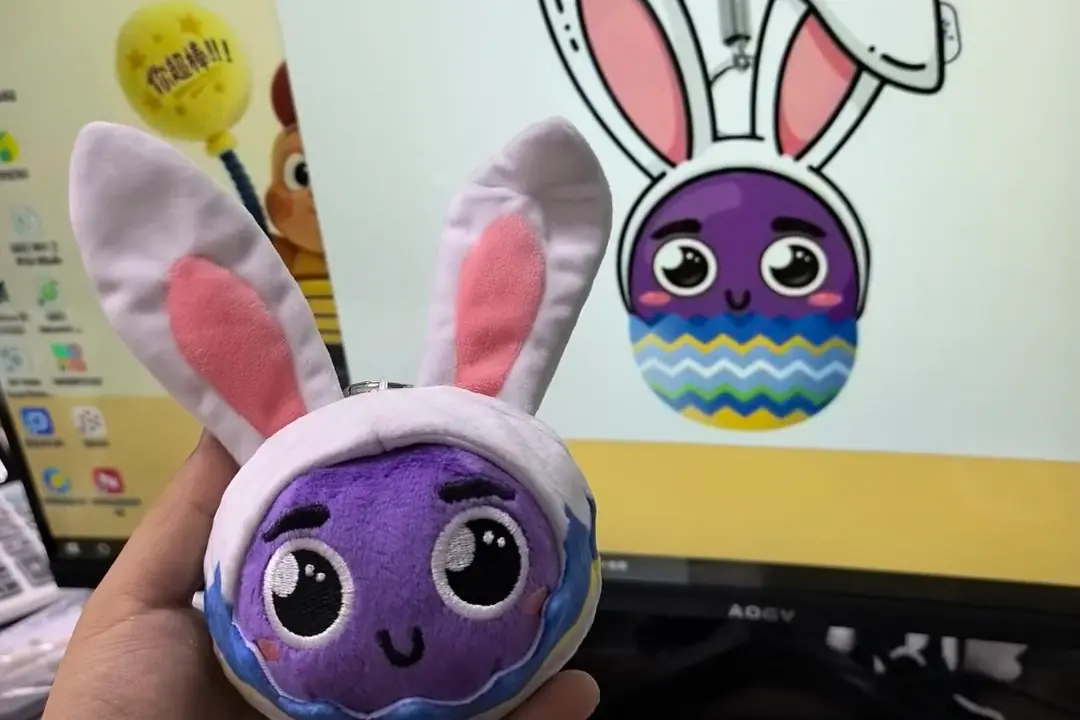
Match Eyes and Markings to Product Requirements
- Embroidery: useful for small facial details or when detachable parts should be avoided; stitch size must suit the pile and face area.
- Other methods: printing, applique, or fitted components can follow the artwork and intended use.
- Market needs: confirm age group, destination market, labels, and known testing requirements before sampling.
Protect Labels, Packing, and Animal Shape
Plan labels and packing during sampling so branding, required text, cost, and the packed shape can be reviewed together.
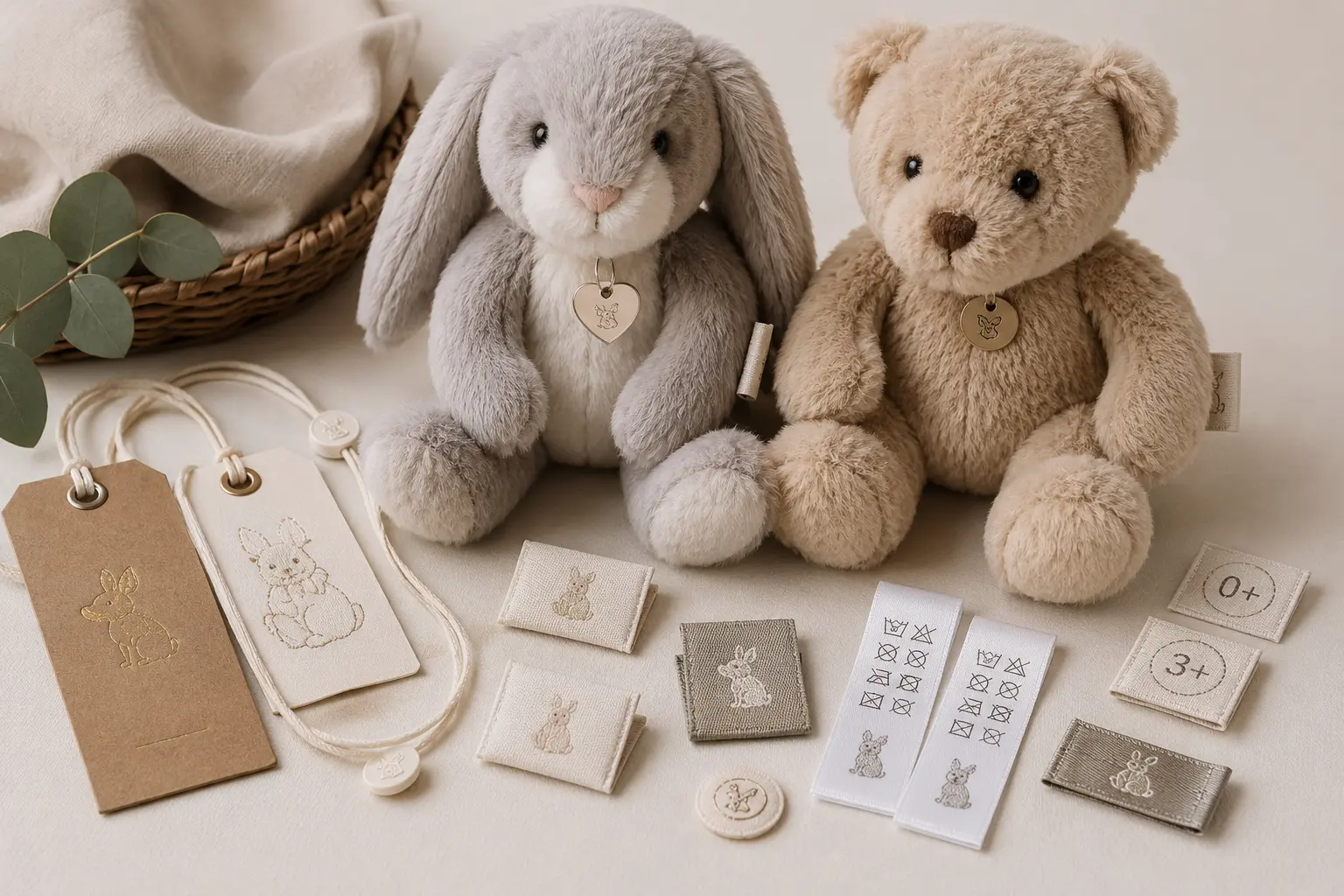
Labels and Tags
Confirm hang tags, woven labels, age labels, wash labels, and brand marks before production.
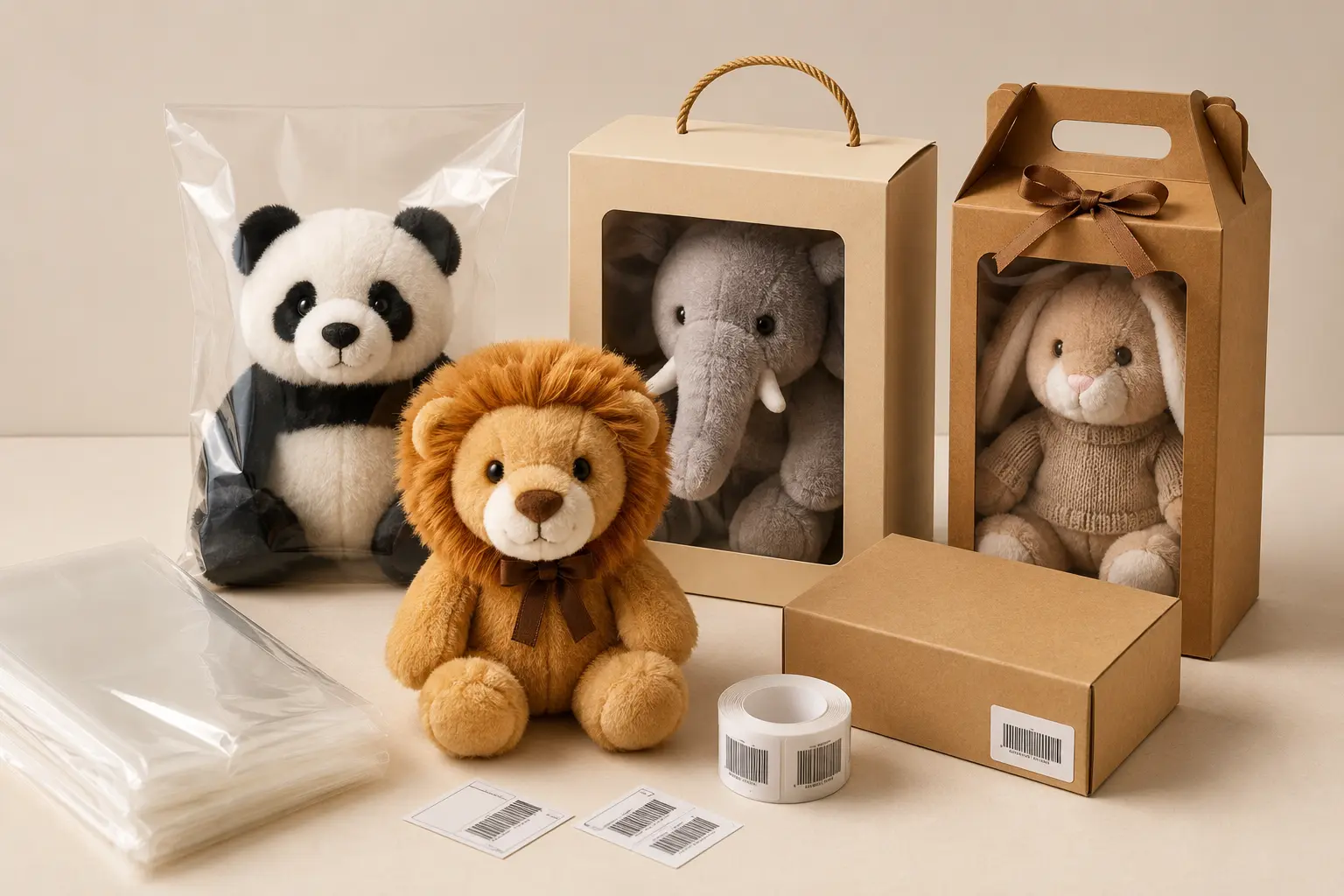
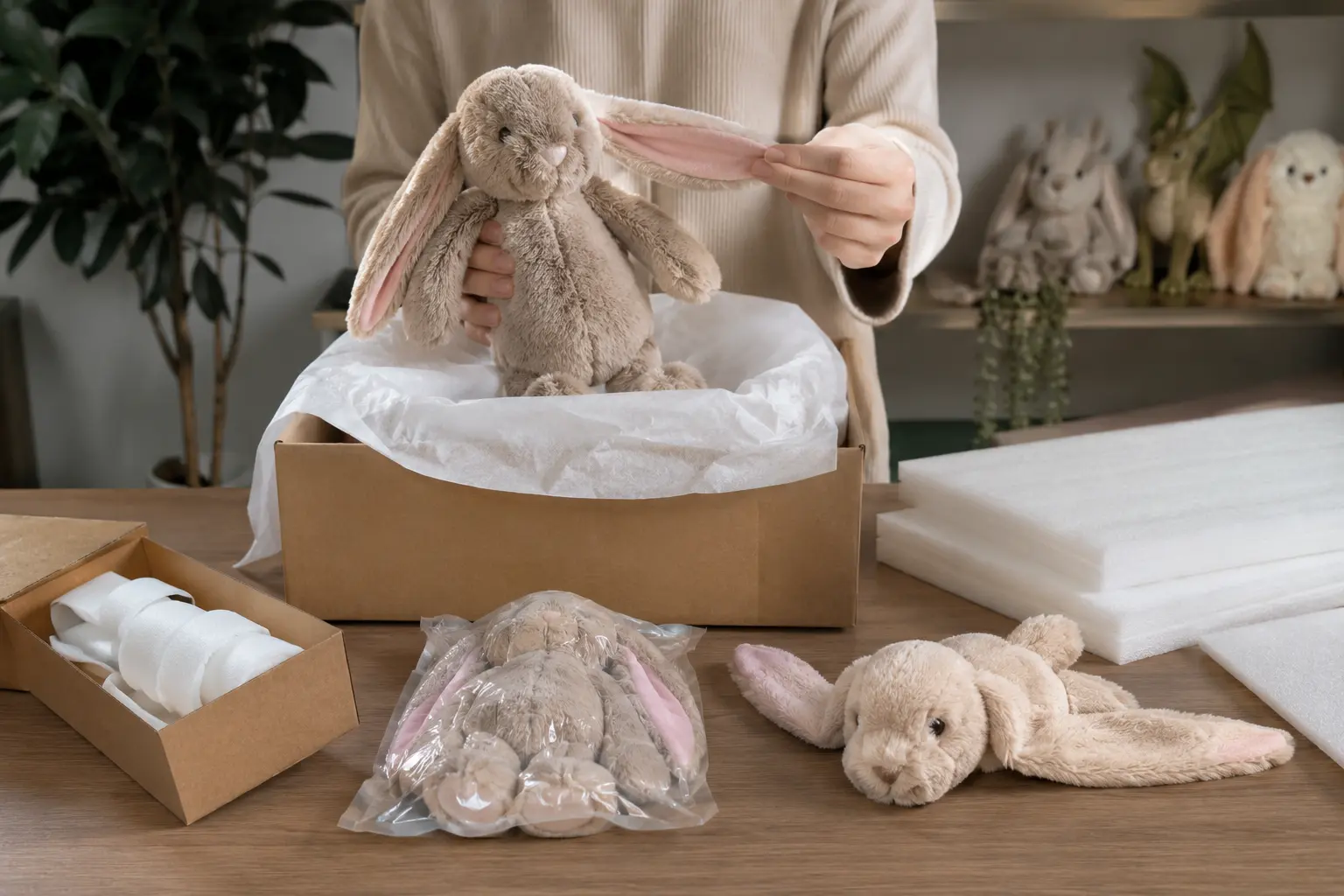
Shape Protection
Check pack size and shape recovery when compression may bend ears, tails, wings, or soft bodies.
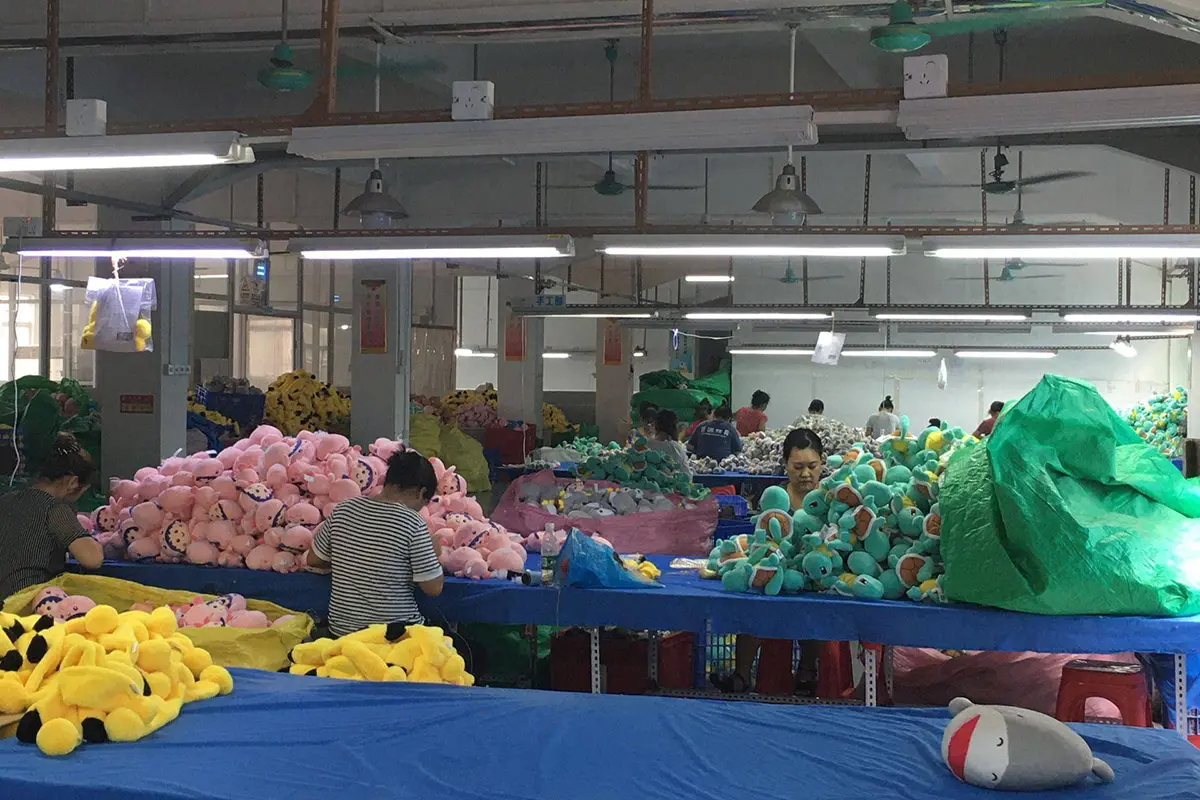
Where Stuffed Animals Take Shape
Animal plush needs careful shaping, balanced filling, and clean finishing so ears, tails, paws, and bodies stay consistent across the order.
View Animal Plush ProductionReady to Review Your Animal Design?
Send your sketch, photo, species reference, mascot, or creature artwork with the size, quantity, pose, intended use, market, fabric notes, and packing needs.
Send Animal Design