
WisePlush logo
WisePlush

Custom Plush Toy Factory in Yangzhou

WisePlush operates a custom plush toy factory in Yangzhou, China, with areas for sampling, fabric handling, cutting, sewing, stuffing, finishing, needle inspection, and packing.

  • ✓ Factory in Yangzhou, founded in 2006
  • ✓ Sampling, sewing, stuffing, and packing areas
  • ✓ MOQ from 100 pcs
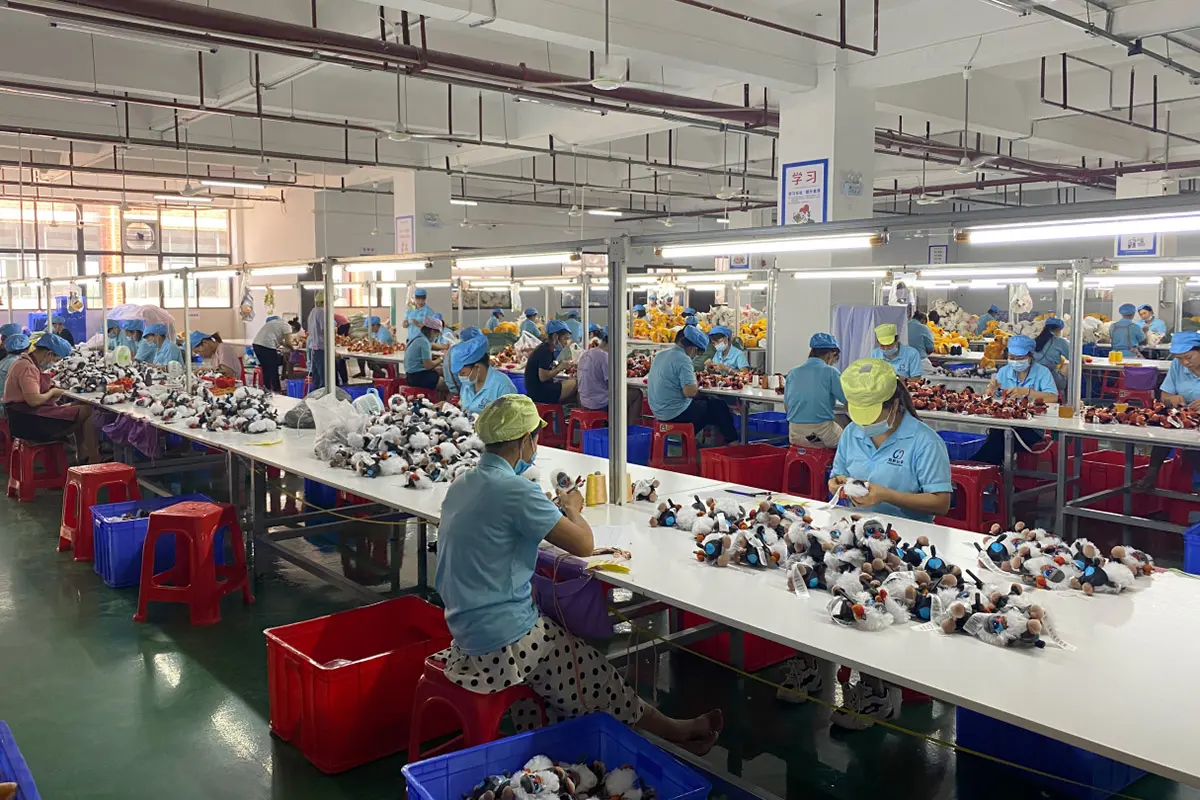
Wide view of WisePlush plush toy production line with workers finishing plush toys
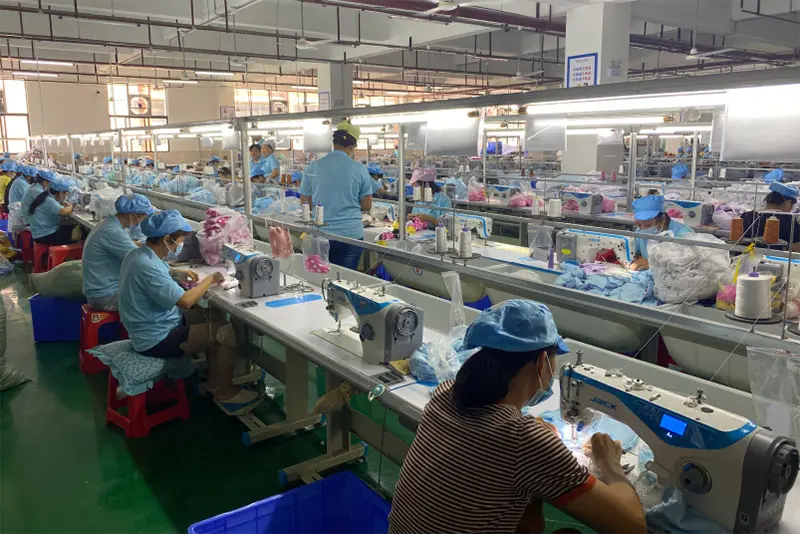
WisePlush plush toy sewing workshop line with workers sewing plush parts

A Self-Owned Plush Toy Factory in Yangzhou

WisePlush operates a self-owned plush toy factory at No. 7 Liuzhuang Road, Hanjiang District, Yangzhou, Jiangsu, China. The factory was founded in 2006 and supports custom plush projects for brand gifts, promotional products, mascot plush, character plush, retail plush, plush keychains, plush bags, anime-style plush, pillows, and private label orders.

Orders move through sampling, material preparation, cutting, sewing, stuffing, finishing, inspection, and packing areas according to the approved sample and order requirements.

About WisePlush

Factory Information

Review the factory location, standard MOQ, sampling time, and typical production time before discussing an order.

2006

Founded

WisePlush has supported custom plush production since 2006.

100+

MOQ

Standard custom plush MOQ starts from 100 pcs.

7-10

Sample Days

Most custom plush samples take about 7-10 days after details are confirmed.

15-25

Bulk Days

Bulk production usually takes 15-25 days after sample approval.

Factory type: Self-owned plush toy factory
Factory address: No. 7 Liuzhuang Road, Hanjiang District, Yangzhou, Jiangsu, China
Standard MOQ: 100 pcs
Design-to-sample support: 2D/3D design review, pattern adjustment, embroidery, printing, and fabric selection
Sample time: Usually 7-10 days, depending on design details
Bulk production time: Usually 15-25 days after sample approval, depending on order details

Production timing depends on project complexity, material availability, embroidery workload, printing needs, packaging structure, quantity, production season, and shipping preparation.

Custom Plush Production Areas

Each area handles a specific part of custom plush sampling, production, inspection, or packing.

Sample Making Area

Artwork and design notes are turned into first plush samples.

Review point: sample tables, fabric swatches, embroidery review, and shape adjustment work.

Fabric Handling

Short plush, minky, velboa, faux fur, sherpa, and other materials are checked before cutting.

Review point: fabric color, pile direction, texture, and material organization.

Cutting Area

Fabric pieces are cut according to the approved pattern.

Review point: cutting templates, fabric layers, part organization, and size control.

Sewing Area

Cut pieces are sewn into plush shells.

Review point: stitch consistency, seam allowance, small part handling, clothing, or accessory sewing.

Stuffing Area

Plush shells are filled with PP cotton or suitable filling.

Review point: filling amount, shape recovery, soft hand feel, and even body shape.

Finishing Area

Loose threads, surface shape, accessories, labels, and details are reviewed.

Review point: thread trimming, embroidery edge review, and eye or accessory placement.

Needle Inspection

Plush items pass through needle detection when required.

Review point: needle detector, inspection records, and checked cartons or batches when required.

Packing Area

Plush toys are packed into OPP bags, gift boxes, retail packs, or cartons.

Review point: hang tags, woven labels, barcode labels, carton labels, and compression limits.

Sample Making Area

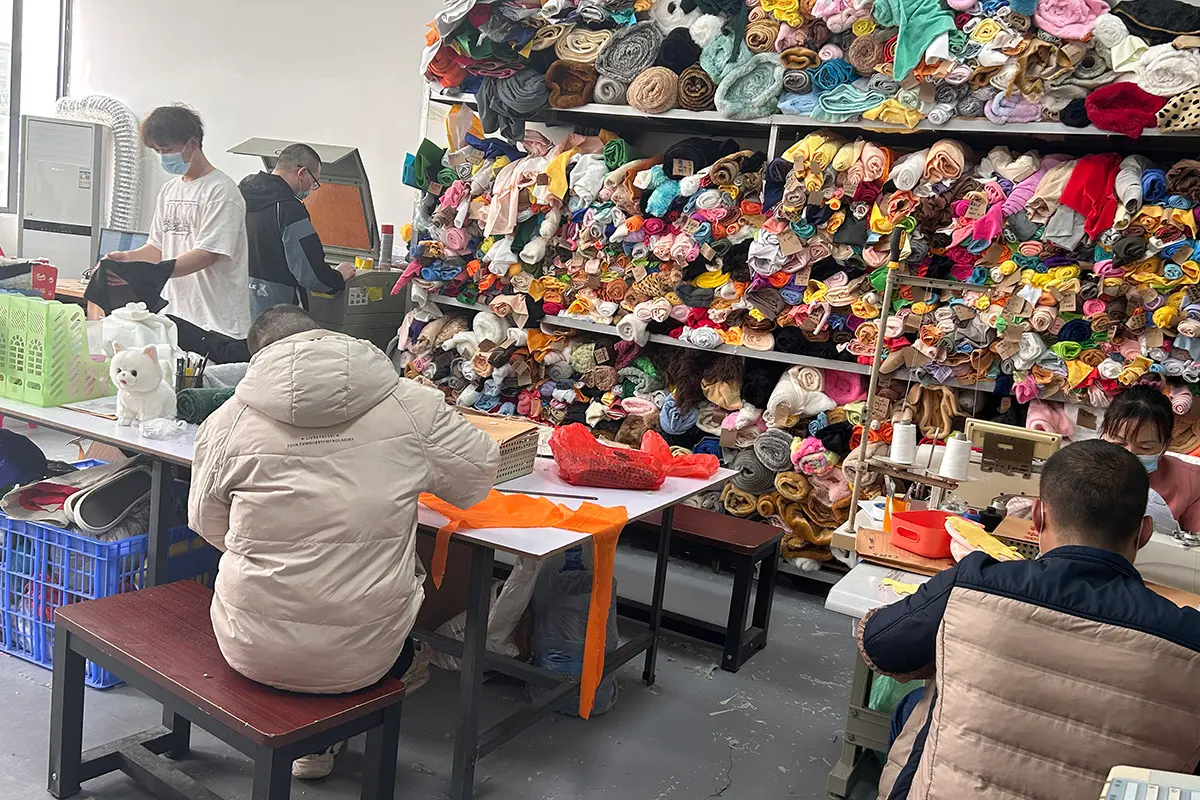
The sample making area is where a custom plush project becomes physical for the first time. A buyer may send artwork, a mascot file, a character design, a product sketch, or a reference photo. The sample team reviews the shape, fabric choice, size, embroidery, printing, accessories, and label direction before creating a sample.

For plush toys, small differences matter. Ear shape, eye placement, embroidery thickness, fabric pile direction, arm position, clothing fit, and stuffing amount can change how the final product looks.

  • Sample table with plush samples in progress
  • Fabric swatches and color review
  • Embroidery or printing detail review
  • Shape adjustment or pattern review
WisePlush sample making room with fabric swatches and plush samples in review
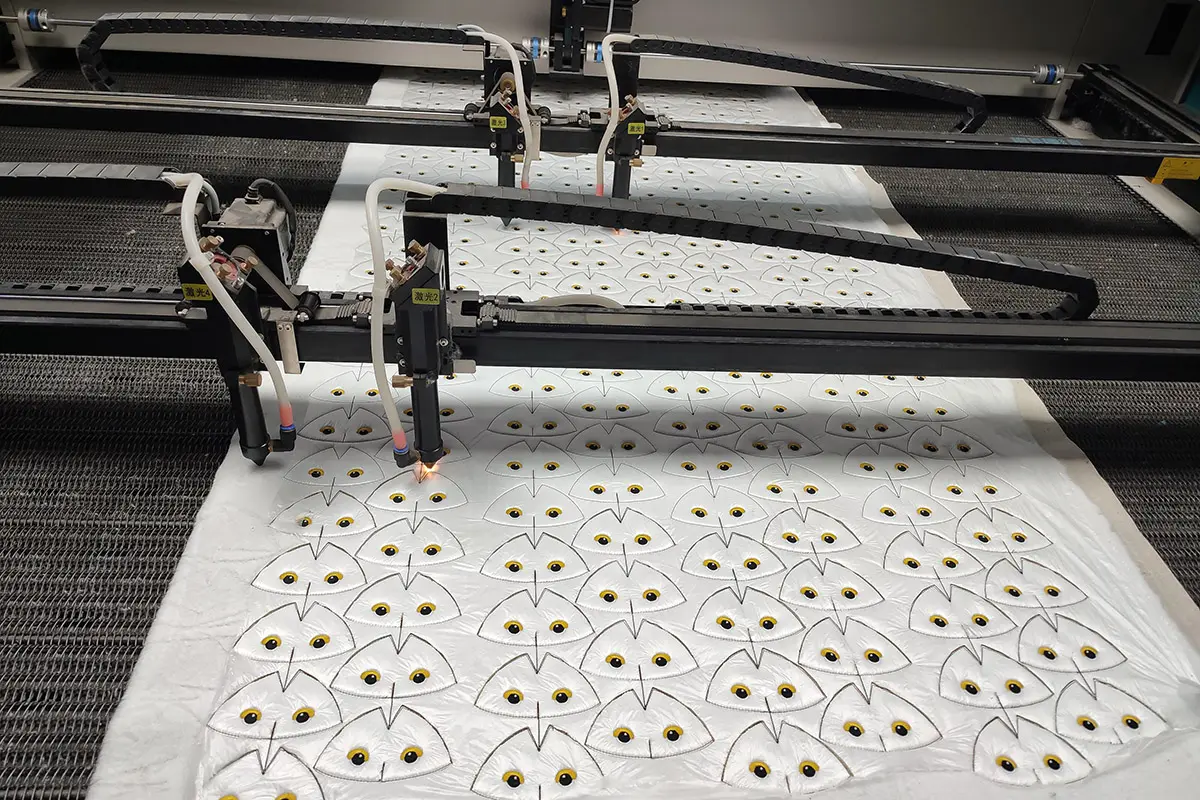
Laser cutting plush fabric pieces with printed eyes for custom plush production

Fabric Handling and Cutting

Fabric handling affects the final appearance of custom plush toys. Materials such as short plush, minky, velboa, faux fur, sherpa, and other plush fabrics need to be reviewed for color, pile direction, texture, thickness, and suitability for the product shape.

In the cutting area, fabric pieces are prepared according to the approved pattern. For custom plush orders, clear part organization helps reduce mix-ups between body panels, ears, arms, clothing pieces, accessories, or small decorative parts.

View Sampling Process

Production Areas and Order Checks

These in-house areas help the team review product details from approved sample to packing, while still planning around project complexity, materials, accessories, and season.
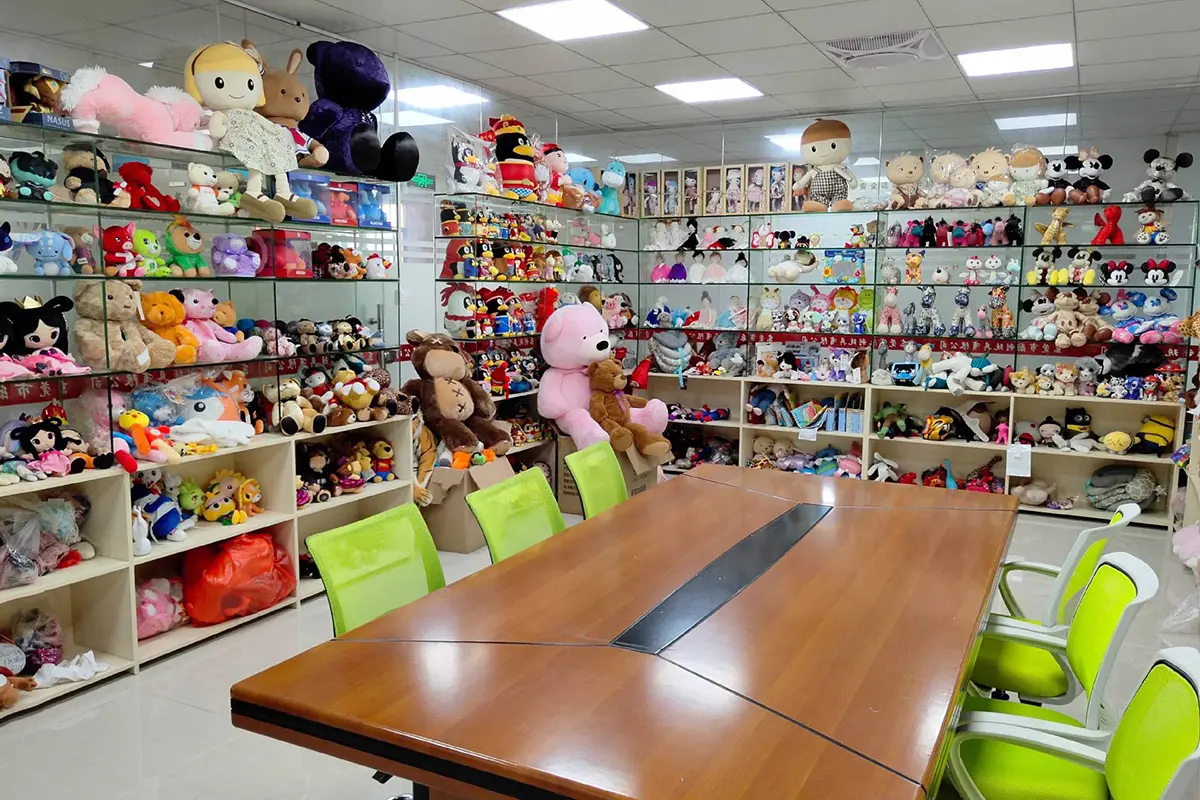
Custom plush sample meeting room with plush toys displayed on shelves

What to Prepare Before Asking

Send artwork, target size, quantity, destination country, intended use, fabric preference, embroidery or printing details, label needs, packaging requirements, delivery window, and compliance requirements if relevant.

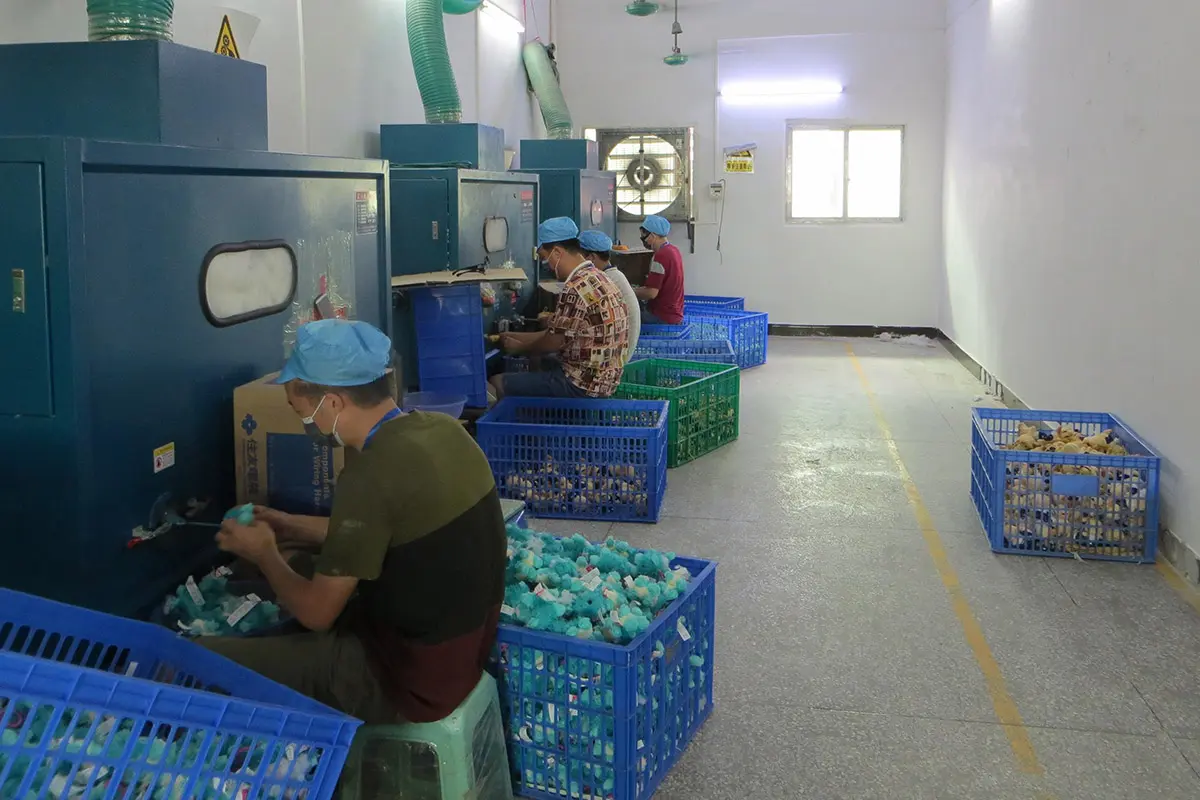
Plush toy stuffing and finishing area with workers and blue storage baskets

Sewing, Stuffing, and Finishing

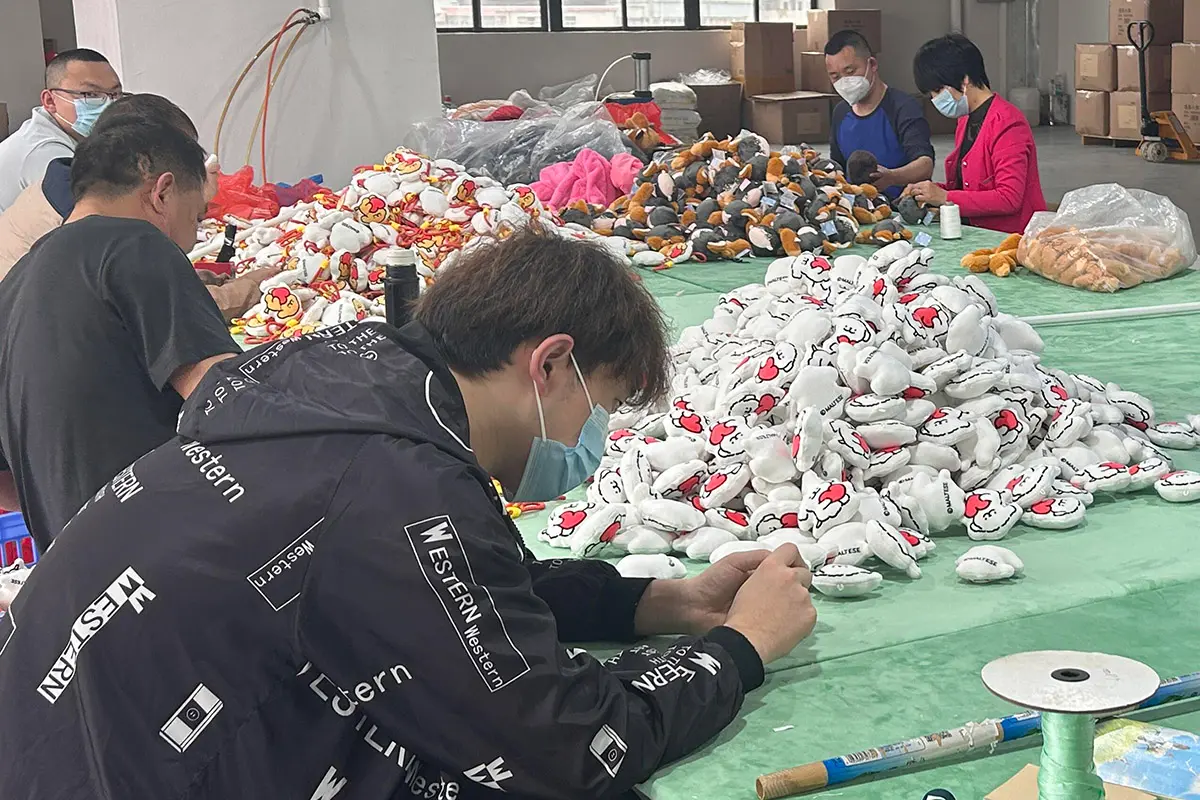
The sewing area turns cut fabric parts into plush shells. Stuffing gives the plush product its volume and hand feel. Finishing work includes loose thread trimming, surface shape review, embroidery edge review, label placement, and accessory checks.

Workers hand sewing and finishing small plush toys on a production table

Needle Inspection and Packing

Needle inspection is an important factory control point when required by the order and product type. Packing may include OPP bags, hang tags, woven labels, barcode labels, gift boxes, retail packaging, or carton packing.

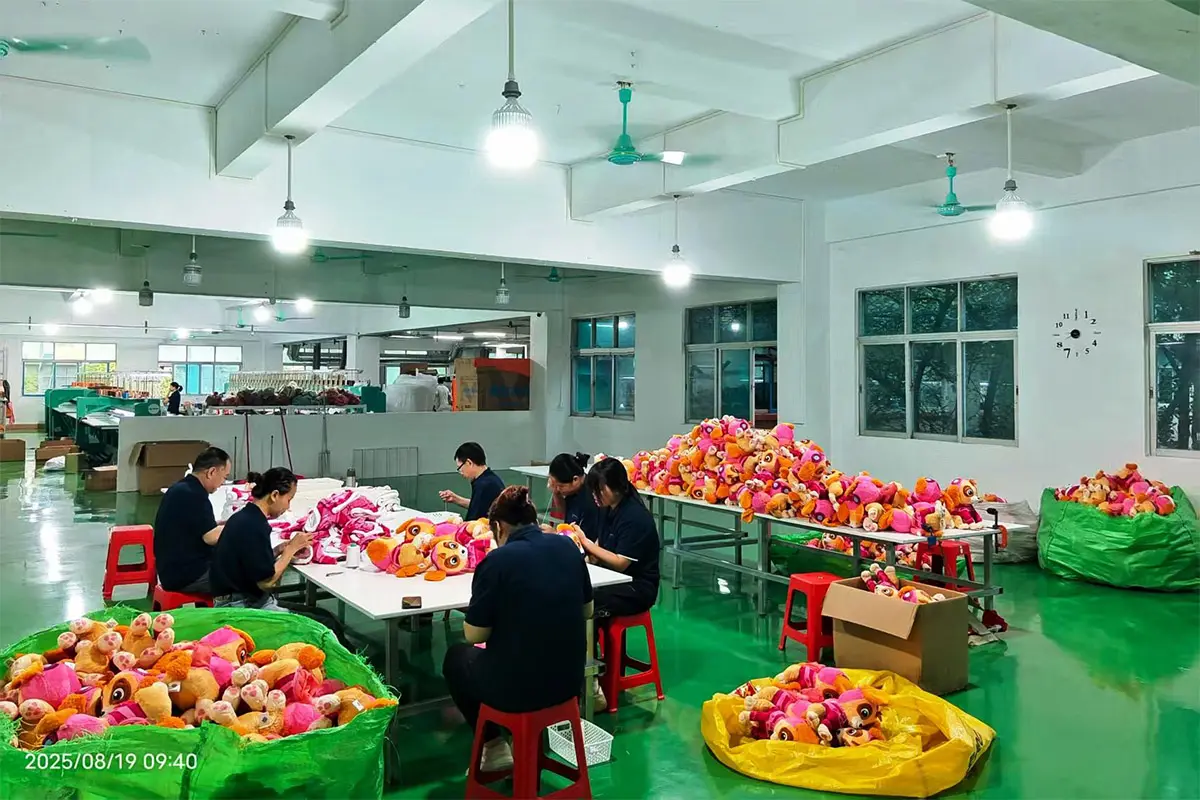
Plush toy factory final sorting area with colorful finished plush toys

How In-House Areas Help Project Control

Keeping sample making, cutting, sewing, stuffing, needle inspection, and packaging inside one factory helps the team discuss sample changes, production details, inspection points, and packing needs against the approved standard.

Discuss Your Custom Plush Order

Send your artwork, target size, quantity, packaging needs, destination country, and required delivery date for review.

Get a Quote

Frequently Asked Questions

WisePlush handles sample making, fabric handling, cutting, sewing, stuffing, finishing, needle inspection when required, and packing. Embroidery, printing, labels, and packaging are reviewed according to the approved order details.
The WisePlush factory is located at No. 7 Liuzhuang Road, Hanjiang District, Yangzhou, Jiangsu, China. The company was founded in 2006 and focuses on made-to-order plush products.
Yes. Buyers can request factory details and available production-area information. Audit, material, and testing documents are covered on the Certifications page, and their availability and scope should be confirmed for each project.
The approved sample is used as the reference for shape, size, fabric, embroidery, printing, filling, labels, accessories, and packaging. Production checks focus on keeping batch output consistent with that approved sample.
The standard MOQ starts at 100 pieces. The final MOQ may depend on the design, materials, accessories, and packaging requirements.
Buyers can request current factory-area information for supplier review. Factory visits should be arranged in advance so the date, available areas, and project confidentiality requirements can be confirmed.
WhatsApp Live Agent Chat