
A custom plush sample depends on the information behind the artwork. A cute front-view drawing is useful, but it is often not enough for pattern making, fabric choice, embroidery planning, or an accurate quotation.
Before the sample room starts, the artwork should answer practical questions: What does the plush look like from all sides? How large should it be? Which details must stay visible? Which parts can be simplified? Will it be used as a toy, collectible, gift, display item, or promotional product?
This guide explains what brands and buyers should prepare before starting the custom plush sampling process.
- Front, side, and back views
- Target size and posture
- Color and fabric references
- Embroidery, printing, and accessory notes
- Quantity, packaging, destination market, and deadline
Start With the Main Artwork Views
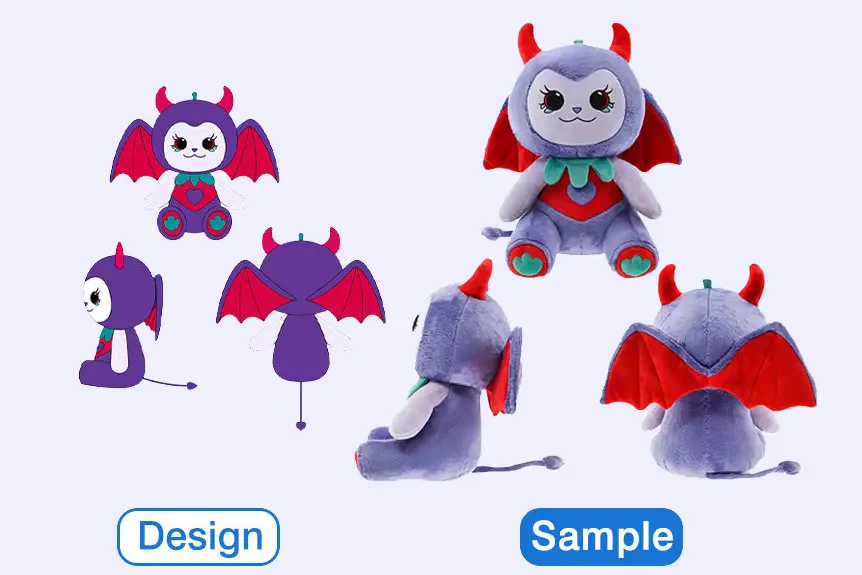
For most custom plush projects, one front image is not enough. Plush toys are three-dimensional. The pattern maker needs to understand the body shape, side thickness, back details, tail position, clothing layers, hair shape, ears, feet, and attached accessories.
Try to prepare these views:
- Front view
- Side view
- Back view
- Close-up view of the face
- Close-up view of logos, embroidery, clothing, or accessories
- Reference photos if the design is based on a real animal, mascot, object, or costume
If you only have one view, the factory can still review the idea. But some shape decisions will need to be interpreted. This can make the first sample less accurate and may add revision time.
For character plush, mascot plush, anime plush, and plush dolls, side and back views are especially important. A flat illustration may show the face well, but it may not explain the head depth, hair layers, sitting posture, or clothing shape.
Add Size and Proportion Notes
Size affects almost every production decision. A 12 cm plush keychain cannot carry the same amount of detail as a 35 cm stuffed animal. Small eyes, thin lines, tiny fingers, sharp hair points, and narrow logos may need to be simplified.
When sending artwork, include:
- Target height or length
- Sitting or standing position
- Head-to-body ratio
- Arm and leg length
- Tail, ear, or accessory size
- Whether the plush should stand, sit, hang, or lie flat
If the product is a plush keychain, bag charm, or blind box item, the design must be simpler. If it is a larger mascot plush or character plush, there is more room for embroidery, layered fabric, and shaped parts.
| Product type | Common size concern | Artwork note to prepare |
|---|---|---|
| Plush keychain | Small details may disappear | Mark the details that must stay visible |
| Mascot plush | Brand recognition matters | Show logo placement and approved colors |
| Character plush | 2D artwork must become a soft 3D shape | Add side and back views |
| Plush doll | Face, hair, and outfit need structure | Show hair layers and clothing seams |
| Plush pillow | Shape and edge seam affect the outline | Provide the front shape and thickness goal |
Size tolerance should also be discussed before production. Soft plush products are sewn and filled by hand, so small variation can happen. If a retail program has strict shelf, box, or barcode requirements, tell the factory before sampling.
Mark the Details That Must Stay Accurate
Not every drawing detail can be copied exactly into plush. Fabric has thickness. Embroidery has minimum line width. Printing may look different on short plush, minky, or velboa. Long-pile fabric can hide small facial details.
Before sampling, mark the details that are most important for recognition:
- Eye shape
- Mouth expression
- Eyebrows
- Brand logo
- Character mark
- Clothing pattern
- Color blocks
- Special ears, horns, tails, wings, or hair shapes
Also mark which details can be simplified. This helps the sample maker make better decisions. For example, a complex printed jacket pattern may need to become a few larger embroidered or fabric-color blocks. A very small mouth may need thicker embroidery so it can be seen after sewing and filling.
When reviewing a plush sample, the key question is simple: can the important details still be read from normal viewing distance? A detail that looks good in a digital file may be too small once it is stitched into fabric.
Prepare Color References
Digital colors are not enough for fabric matching. A color on a phone screen can look different from a color on a laptop, and both can look different from dyed plush fabric.
Good color references include:
- Pantone color codes, if available
- Brand color guidelines
- Photos of existing products
- Fabric swatches
- Printed color cards
- Approved logo files
For plush production, color matching is usually a practical match, not a screen-perfect match. Fabric type, pile direction, lighting, and dye lot can all affect the final look. Short plush may show color more evenly. Faux fur may look lighter or darker depending on pile direction.
If color accuracy is important for a brand mascot or licensed character, say that before sampling. The sample stage is the right time to compare fabric color against the artwork and adjust if needed.
Choose Fabric Direction Before the Sample Is Made
Artwork should include fabric expectations when possible. Different fabrics change the character of the plush.
| Fabric option | Useful for | Possible limitation |
|---|---|---|
| Short plush | Small embroidery, clear facial details, general toys | May look less fluffy than long-pile fabric |
| Minky fabric | Soft surface and clean character designs | Fine details still need proper embroidery size |
| Velboa | Smooth surface, promotional plush, printed areas | Less fluffy texture |
| Faux fur | Animals, mascots, fluffy characters | Long pile may cover eyes, mouth, or logos |
| Sherpa | Warm, textured lifestyle or gift products | Not ideal for tiny facial details |
If you are not sure which fabric to choose, send references. A photo of the texture you want is often more useful than a general word like "soft" or "fluffy."
The factory can suggest fabric options after checking the artwork, but the buyer should still explain the intended look. A cute animal may need faux fur. A logo plush may need short plush so the embroidery stays readable.
Decide Between Embroidery, Printing, and Small Parts
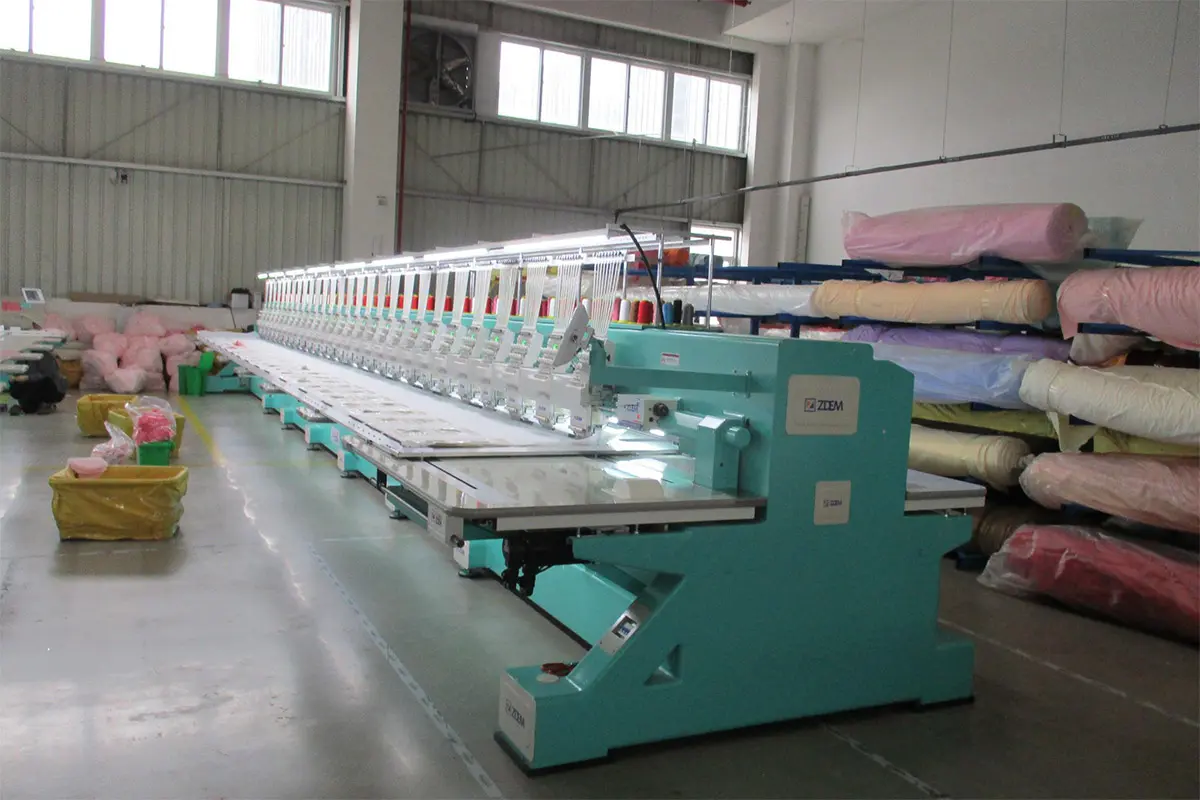
Facial features, logos, and decoration details can be made in different ways. Each method has a different result.
| Detail method | Works well for | What to check |
|---|---|---|
| Embroidery | Eyes, mouths, logos, simple lines | Minimum line thickness and edge clarity |
| Printing | Color gradients, flat graphics, detailed patterns | Fabric surface and color fastness requirements |
| Applique fabric | Large color blocks or clothing pieces | Edge sewing and shape accuracy |
| Plastic eyes or noses | Some animal or collectible looks | Suitability for age group and safety testing |
| Woven label | Brand label or private label orders | Size, placement, and care information |
For plush toys used by young children, embroidered eyes are often preferred over small detachable parts. But the final choice depends on the product design, age grading, market, and required testing. If the plush will be sold as a toy in the US or EU, testing requirements should be reviewed before bulk production.
Do not wait until the bulk order to decide these details. Decoration affects sample cost, production method, and quality checks.
Explain the Intended Use and Sales Market
The same plush design may need different decisions depending on how it will be used.
A plush made for a school event may focus on logo visibility and budget. A retail plush line may need hang tags, barcodes, packaging consistency, and carton labels. A collectible anime plush may need blind box packaging and careful face embroidery. A plush sold as a children's toy may need testing and label review for the destination market.
Tell the factory:
- Who will use the plush
- Whether it is a toy, gift, collectible, display item, or promotional item
- Destination country or region
- Target age group, if it will be sold as a toy
- Retailer or marketplace requirements
- Packaging expectations
- Any document requirements from your buyer or distributor
This information does not replace formal testing or legal review, but it helps the factory avoid obvious design and packaging mistakes during sample planning.
Include Packaging Notes Early
Packaging can change the way a plush sample should be reviewed. A plush keychain for blind box packaging may need a size limit. A plush pillow may need compression recovery checks. A retail plush may need a hang tag, woven label, barcode sticker, or gift box.
Prepare packaging notes such as:
- OPP bag, hang tag, woven label, gift box, blind box, or carton label
- Retail shelf or box size limit
- Barcode or warning label requirements
- Whether compression packing is planned
- Whether FSC paper packaging is requested
- Destination warehouse or marketplace requirements
If compression packing is used, the sample should be checked after recovery. If the filling is too soft, the plush may look flat after packing. If the ears or hair are too thin, they may bend during shipping.
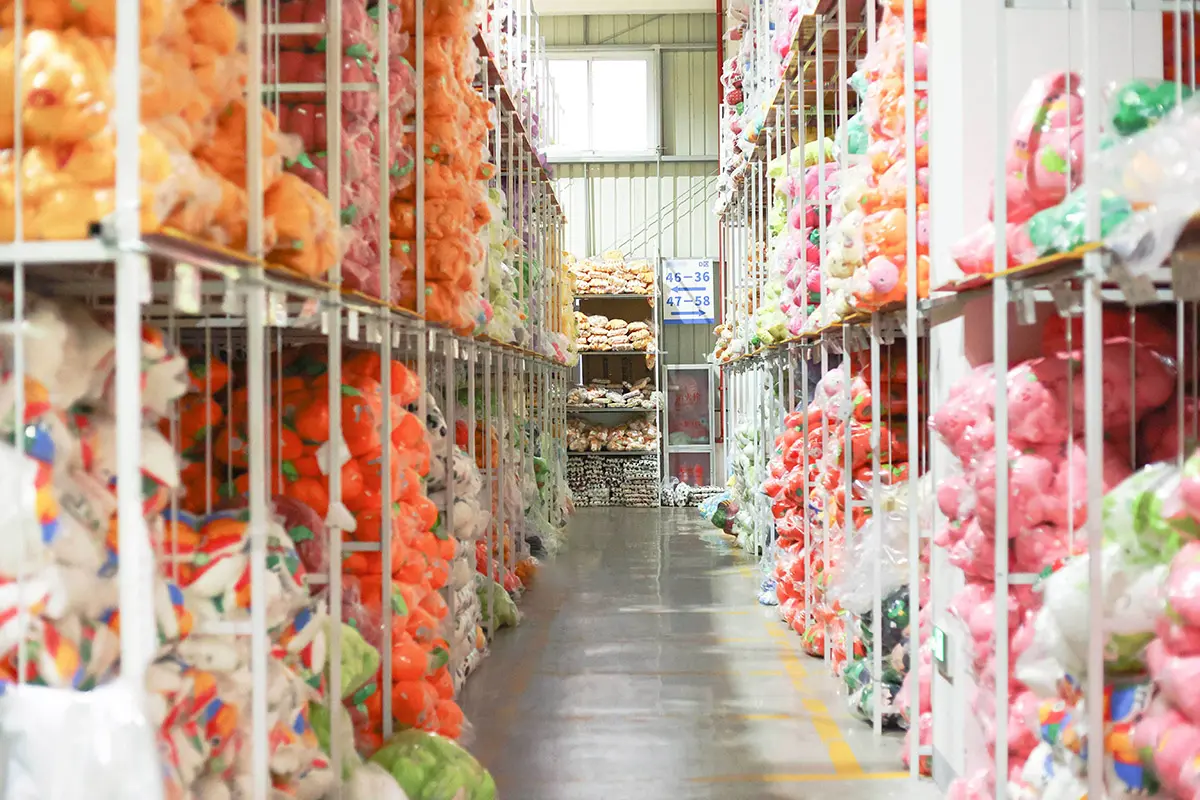
Packaging should not be treated as the last step. It can affect size, filling, tag placement, and shipping cost. Review the available plush packaging and shipping options while the sample is still being planned.
What to Send for a Faster Sample Review
Before requesting a sample, prepare a simple file package. It does not need to be complicated, but it should be complete enough for review.
Useful files include:
- Main artwork in JPG, PNG, PDF, AI, or PSD format
- Front, side, and back views
- Size target and posture notes
- Color references or Pantone codes
- Logo files in vector format, if available
- Fabric or texture references
- Decoration notes for embroidery, printing, labels, or accessories
- Packaging requirements
- Quantity estimate
- Destination market
- Target deadline
If some details are still undecided, say so clearly. A factory can help review options, but it needs to know which parts are fixed and which parts can change.
Common Artwork Problems That Slow Down Sampling
Many sample delays start before the sample room begins work. The artwork may look good, but the production information may be incomplete.
Common problems include:
- Only one front-view drawing is provided
- The side shape is unclear
- Back details are missing
- The target size is not confirmed
- Logos are too small for embroidery
- Long fur is requested, but the face has tiny details
- Colors are described only by screen images
- The buyer wants plastic eyes but has not confirmed the target age group
- Packaging size is decided after the sample is finished
- The design includes protected characters without authorization files
These issues do not always stop a project, but they should be discussed early. It is easier to adjust artwork before sampling than to rebuild a sample after the structure is already made.
How WisePlush Reviews Artwork Before Sampling
When WisePlush receives a custom plush inquiry, we review the artwork together with size, quantity, fabric, decoration, packaging, and destination market notes.
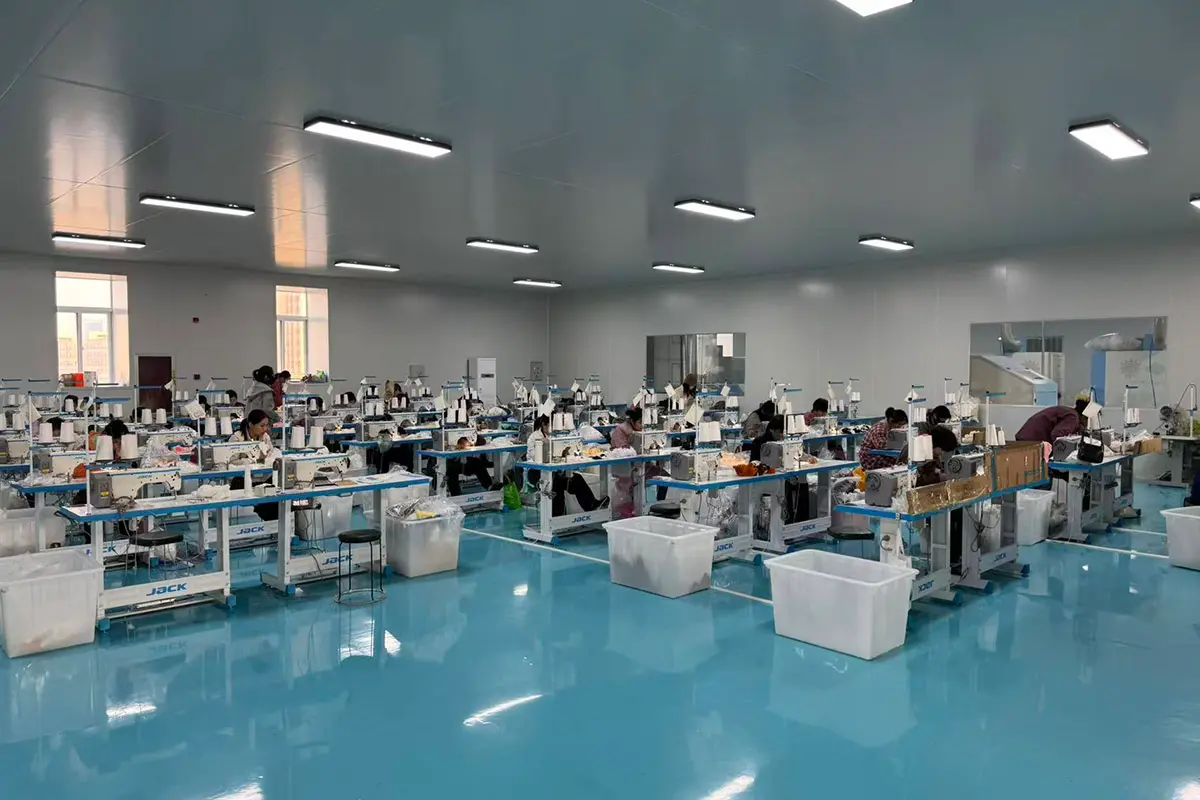
The goal is simple: check what can be sampled as shown and what should be adjusted first. The approved sample then becomes an important reference for production quality checks.
For a custom plush sample, we usually check:
- Whether the design has enough views for pattern making
- Whether small details can be embroidered or printed clearly
- Whether the fabric choice fits the face and logo details
- Whether ears, tails, straps, or accessories need extra attachment review
- Whether the filling should be firmer or softer for the target shape
- Whether packaging could press or deform the plush
- Whether market testing or label requirements should be discussed before bulk production
After the main details are confirmed, sample time is usually 7-10 days. Bulk production is usually 15-25 days after sample approval, depending on design, material, quantity, packaging, and production schedule.
FAQ
If you are preparing a custom plush sample, send the front, side, and back views together with the target size, quantity, packaging idea, and destination market. WisePlush can review which details should be embroidered, simplified, printed, or adjusted before sampling.
If you only have one drawing, you can still send it for an initial review. We can help identify what information is missing before the sample room starts pattern making.
Send Your Artwork to WisePlush