

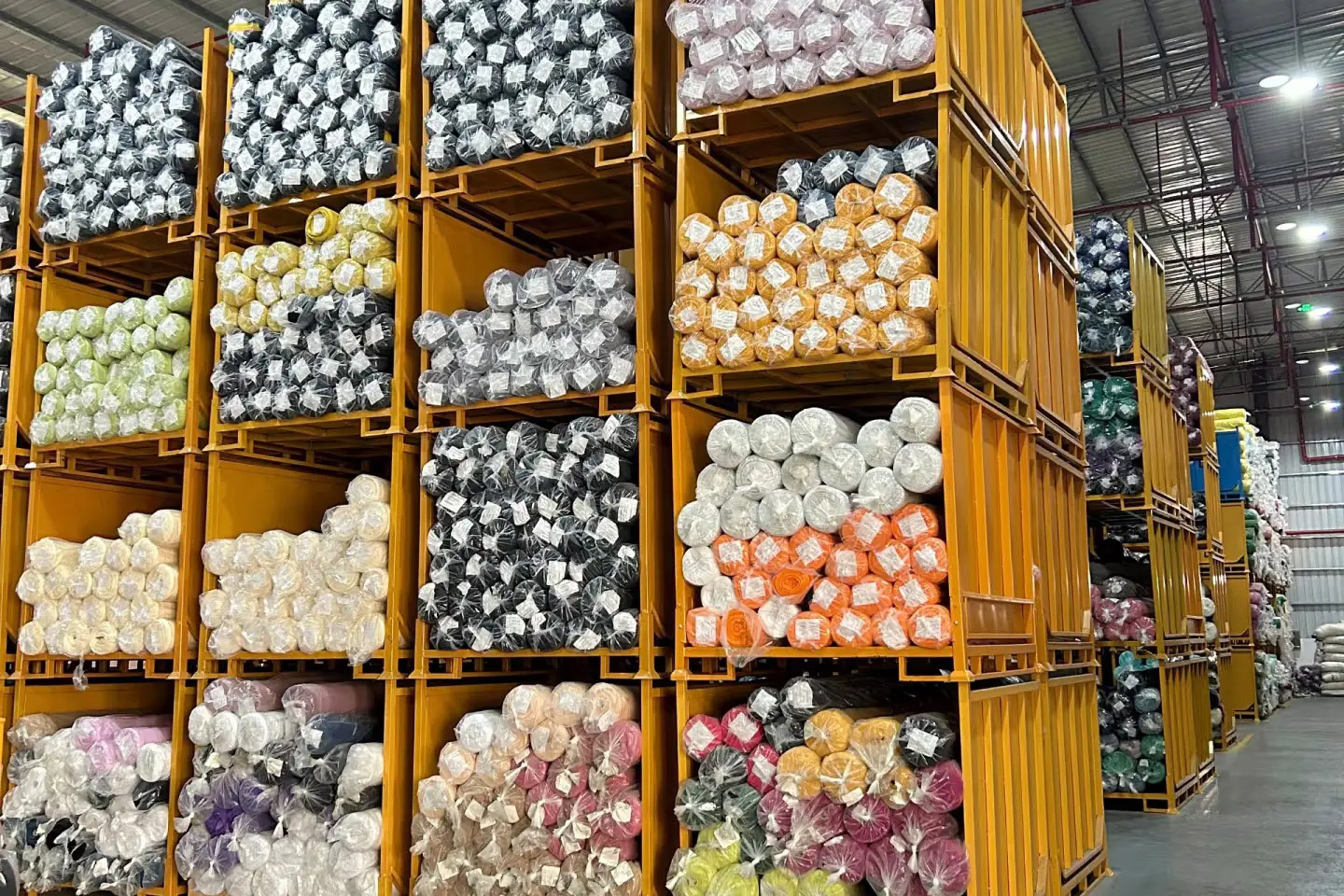
The softest swatch is not automatically the right material for a custom stuffed toy.
A material also has to work with the character shape, finished size, facial details, decoration method, color, filling, packaging, and target market. Long fur can give an animal a convincing coat, but it can cover a small embroidered mouth. A smooth short pile can keep a logo clear, but it creates a different look and hand feel.
A request such as "soft and fluffy" is enough to start a conversation, but not enough to approve material. The points below turn that visual idea into something a sample maker can work with.
Start With the Design and Finished Size
Review the artwork before looking at fabric names. Identify the areas where texture matters and the details that must remain easy to read.
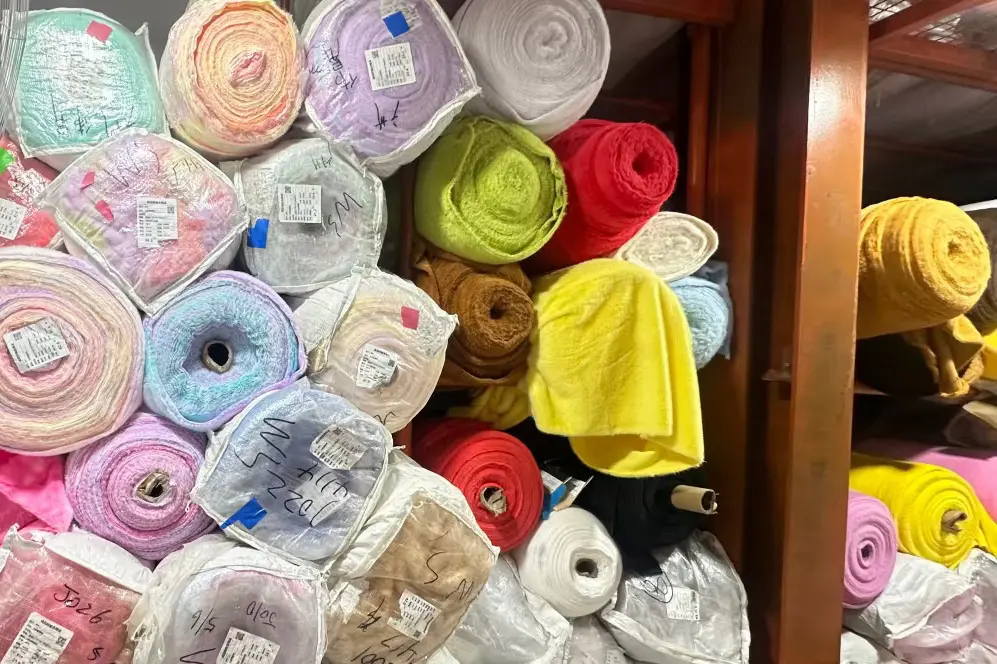
Check:
- Finished height or length
- Face size and embroidery area
- Thin limbs, ears, tails, hair, or clothing pieces
- Logos, text, printed graphics, and color-block edges
- Intended posture and firmness
- Whether the product is a toy, collectible, gift, keychain, pillow, or display item
Scale changes the decision. A longer pile may work on a 35 cm animal with large eyes, but overwhelm the face and limbs of a 10 cm keychain. Small products usually need a shorter, more controlled surface. Larger products leave more room to combine textures.
A mixed-fabric solution is often more useful than forcing one material across the whole design. For example, a long-pile body can be combined with a short-pile muzzle, eye panel, paw pad, or logo area.
Compare Actual Swatches, Not Only Fabric Names
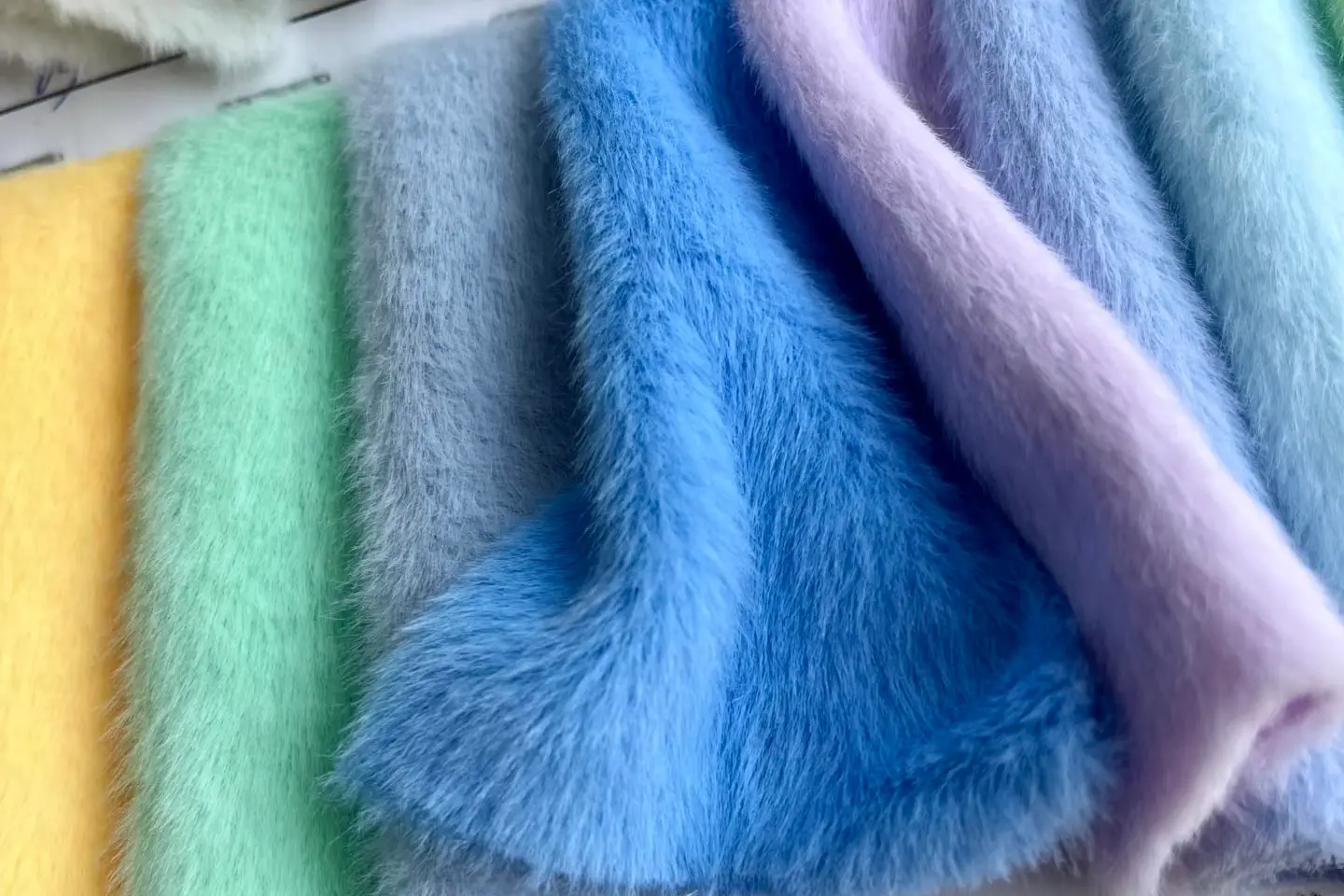
Names such as minky, short plush, and faux fur are useful starting points, but they are not complete specifications. Two suppliers can use the same name for materials with different pile height, weight, density, stretch, backing, and finish.
| Fabric direction | Often considered for | Check before approval |
|---|---|---|
| Short plush | Character faces, logos, general plush, small products | Pile height, seam visibility, density, stretch |
| Minky | Smooth character plush, dolls, soft gift items | Surface finish, stretch, available colors, print suitability |
| Velboa | Short-pile shapes, promotional items, selected printed panels | Hand feel, density, print process, edge appearance |
| Faux fur | Animals, mascots, fluffy characters | Pile direction, shedding, trimming, detail visibility |
| Sherpa or boucle | Textured pillows, gifts, clothing panels | Loop size, embroidery visibility, snagging, seam bulk |
| Fleece | Simple shapes, clothing, accessories, selected plush bodies | Surface pilling, stretch, edge definition, intended look |
When reviewing a swatch, ask for the details that affect the actual product:
- Fiber composition
- Pile height and direction
- Fabric weight or density reference
- Stretch direction and recovery
- Backing thickness
- Available colors and likely shade variation
- Material MOQ and replenishment lead time
- Requested supplier documents, when relevant
Touch is subjective. A physical swatch or a known reference product says more than phrases such as "very soft" or "premium feel."
Choose Pile Length Around the Smallest Important Detail
The smallest critical feature often determines the maximum practical pile length.
Short, dense surfaces generally keep these details clearer:
- Small embroidered eyes and mouths
- Eyebrows and fine expression lines
- Narrow logos or lettering
- Printed graphics
- Sharp color boundaries
- Small fingers, ears, or clothing parts
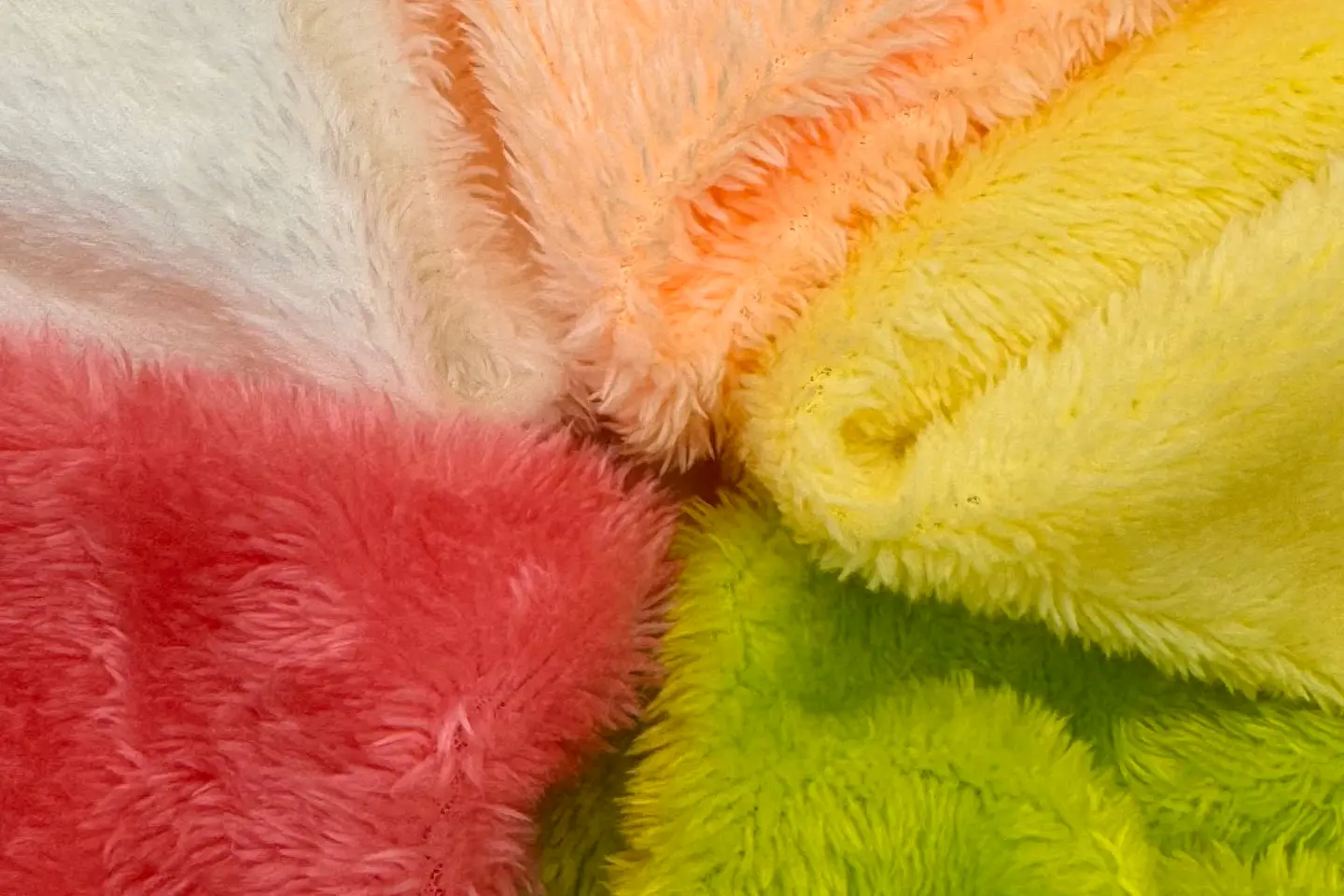
Longer pile creates volume and movement, but the fibers can cross embroidery edges, soften the outline, and make small sewn pieces look thicker. Trimming fur around the face may help, but the trimmed area then needs to be reviewed for shape and consistency.
This is where flat swatches can be misleading. Review the face and the smallest parts after the material has been cut, sewn, turned, and filled.
Plan Embroidery, Printing, and Applique With the Fabric
Decoration and fabric should be selected together.
| Method | Usually easier on | Main sample check |
|---|---|---|
| Embroidery | Short, controlled pile | Thread edges remain visible and the fabric does not pucker |
| Printing | Smooth, compatible surfaces | Lines stay sharp and the selected process suits the fabric |
| Applique | Short to medium pile | Edges lie cleanly without excessive bulk |
| Sewn color panels | Stable fabrics with predictable stretch | Curves and color boundaries align after filling |
| Woven or printed label | A planned seam or flat attachment area | Text remains readable and placement is not distorted |
Very small text should not be treated like a normal logo. It may need to be enlarged, simplified, moved to a label, or removed from the plush body.
Printing needs a process-specific review. Two fabrics with a similar surface can respond differently to heat, ink, color, and handling. Approve the decorated material or finished sample, not a fabric name or an undecorated swatch.
Check Color on the Actual Surface
Screen artwork is not a physical color standard. Fabric texture, pile direction, lighting, and dye lot can change how a color appears.
Provide one or more of the following:
- Pantone reference
- Brand color guide
- Approved physical sample
- Printed color standard
- Fabric swatch from an earlier product
Then review the proposed fabric under neutral lighting and brush the pile in both directions. Long pile can look lighter from one angle and darker from another.
For a licensed character or brand mascot, identify the critical colors and any areas where normal material variation is acceptable. Review the main fabric lot before bulk cutting. A sample made from a small swatch does not guarantee that a later dye lot will look identical.
Review Stretch, Backing, Filling, and Shape Together
Fabric affects the silhouette after filling. Stretchy material can make a head wider, round sharp corners, or pull embroidered features out of position. A firm backing may hold an edge better but feel less flexible. Thick pile can add visual volume to small parts.
During sample review:
- Compare the finished measurements with the approved size
- Check whether left and right features remain aligned
- Look for wrinkles, pulled seams, or distorted embroidery
- Press the body and watch how the shape recovers
- Check thin parts for unwanted bulk or twisting
- Confirm that the firmness suits the intended use
More filling does not correct every fabric or pattern problem. If the shape is wrong, adding fiberfill may simply make the toy hard without restoring the intended outline.
Include Packaging in the Fabric Decision
Packaging can flatten pile, bend thin parts, and change the first impression after unpacking.
Test the planned pack, especially when using:
- Compression packing
- Tight individual bags
- Small gift or blind boxes
- Backing cards
- Long-pile fabric
- Structured ears, hair, wings, or tails
Leave the sample in the proposed packaging, then open it and review recovery time, wrinkles, pile direction, embroidery visibility, and overall shape. Some long-pile products need brushing or more package space. That may work when store staff prepare the display, but not when the end customer expects the item to look ready as soon as the pack is opened.
Packaging choice also affects carton volume and freight planning, so confirm it before bulk production rather than after fabric approval.
Treat Material Documents and Finished-Toy Testing Separately
If a retailer, importer, or brand requires OEKO-TEX Standard 100, GRS, GOTS, or another material document, request it before the material is ordered.
Confirm:
- Exact fabric and supplier
- Certificate holder
- Product or material scope
- Certificate number and validity
- Whether the proposed claim is permitted for this order
A document for one fabric does not automatically cover every color, accessory, filling, label, or finished toy. It also does not replace finished-product testing required for the product, age grade, sales market, or retailer program.
Share the destination market, intended age group, and testing instructions early. The responsible importer or seller should confirm the applicable requirements for the finished product.
Approve the Sample Before Bulk Material Is Cut
A swatch helps narrow the options. The finished sample shows whether the fabric actually works with the pattern, seams, embroidery, filling, and packaging.
Before approval, record:
- Supplier fabric reference or code
- Color reference
- Approved pile direction
- Locations using each fabric
- Embroidery, printing, and applique details
- Finished hand feel and firmness
- Packaging method
- Any agreed material documents
The approved sample, material references, and written comments should be used together for bulk production. If the original material becomes unavailable, review and approve the replacement instead of relying on a similar name.
What to Send for a Fabric Recommendation
You do not need to identify the exact fabric before contacting a factory. Send enough information for a useful comparison:
- Artwork with front, side, and back information
- Finished size
- Quantity per design
- Texture photos or a reference product
- Critical face, logo, or print details
- Color references
- Intended use and age group
- Destination market
- Packaging method
- Required material documents
- Target delivery date
WisePlush can review the design and suggest a practical material direction before sampling. Samples usually take 7-10 days after the main details are confirmed. Bulk production usually takes 15-25 days after sample approval, depending on the design, materials, quantity, packaging, testing, inspection, season, and current schedule.
FAQ
Send the artwork, finished size, quantity, texture reference, decoration details, packaging plan, target market, and any material document requirements. WisePlush can compare suitable fabric directions and identify the details that need to be confirmed before sampling.
If the design combines a fluffy body with a detailed face or logo, mark those areas clearly. A mixed-fabric sample may preserve both the intended texture and the important character details.
Ask About Your Fabric Options